
Enhancing Visual Function Through Targeted Vision Therapy Programs

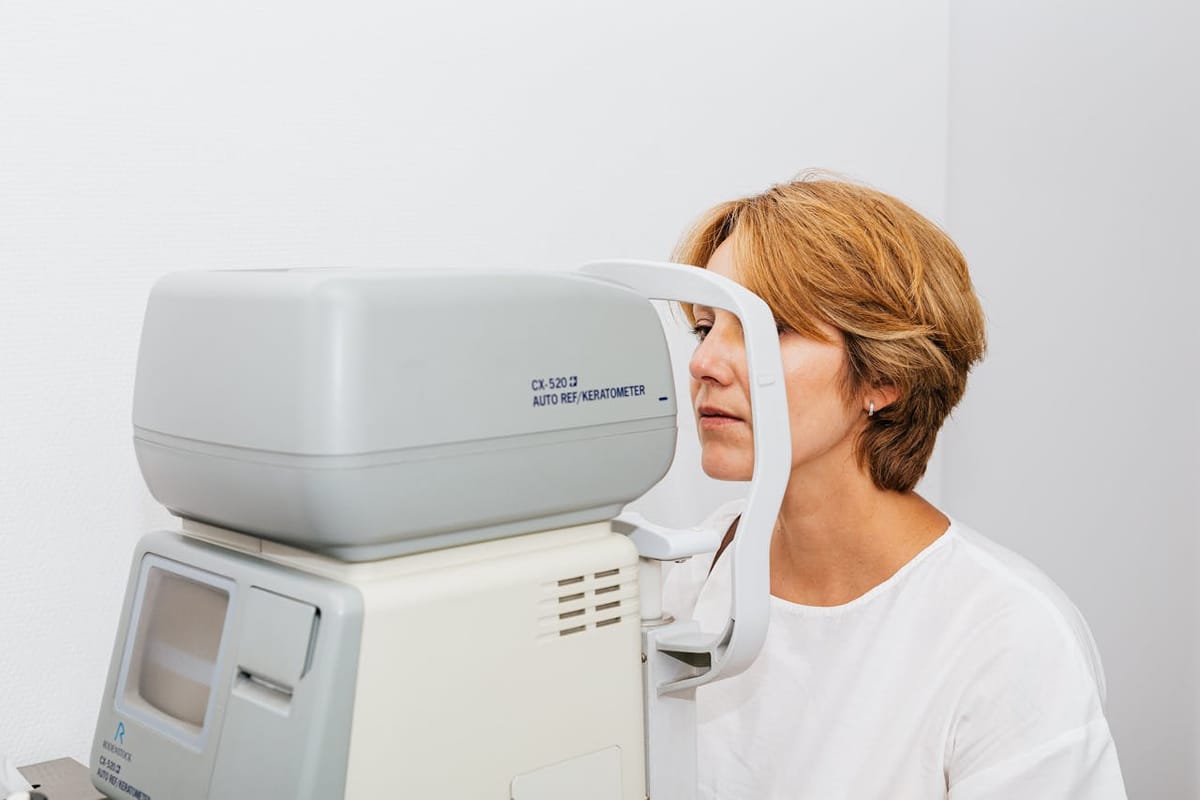
Targeted vision therapy provides a practical way to improve how the eyes and brain work together.
By using guided exercises and modern diagnostic tools, these programs strengthen visual skills that support reading, sports, and daily comfort.
It’s a personalized, training based approach that helps many individuals see and function more efficiently. Here’s a closer look at how it works and why it’s so impactful.
How Targeted Vision Therapy Helps People See Better
Vision therapy has grown into a more bespoke, data aware approach to improving how the brain and eyes work together. Instead of relying only on glasses or surgery, many programs now focus on training eye movements, improving visual processing, and strengthening binocular coordination.
Recent research supports this shift toward guided, individualized training. For example, a study from FovealNet introduced advanced gaze tracking that can help clinicians understand how a person’s visual system behaves in real time, showing how tech driven insights can guide therapy more effectively.
Another area gaining momentum is multimodal measurement, which blends eye tracking with tools like electrooculography. According to findings shared in a study on refractive disorder estimation, multimodal recording can pinpoint subtle visual coordination problems that standard exams might miss. This research from the multimodal refractive study group highlights how deeper diagnostics can shape more targeted therapy plans.
Why Personalized Vision Therapy Works So Well
When vision therapy focuses on specific visual weaknesses, the brain often responds quickly. Programs built on training repetition, guided tasks, and adaptive difficulty help people build new neural pathways that support clearer and more efficient vision.
Here are a few simple reasons targeted programs tend to work:
- They focus on improving how the eyes track, focus, and team
- They build visual processing speed, accuracy, and endurance
- They strengthen the brain's ability to interpret what the eyes see
Improved visual function can also support reading, sports performance, driving, and even everyday comfort. Kids might notice fewer headaches and better school stamina, while adults often report sharper focus and less visual fatigue during work.
This is not a location-limited solution either. For example, core vision training programs are available at specialized eye care centers located in Manlius and Syracuse, New York. Many people do not realize how much guided, in person training sessions can reshape visual performance when the program is both targeted and consistently practiced. These centers provide the type of tailored support that matches the principles modern researchers are confirming, and they integrate this work through their customized programs.
What Modern Research Says About Targeted Programs
Studies from different areas of vision research continue to confirm that structured visual exercises can improve performance outcomes. For instance, work highlighted in a piece on mobile tech and AI for expanding access to care discusses how new tools help doctors evaluate visual function remotely. The coverage by Managed Healthcare Executive explains how assessments are becoming more precise, which supports more accurate therapy recommendations.
Beyond that, researchers studying visual function in inherited retinal conditions noted that measurable gains do not always come from surgery or medication. Sometimes they come from improved functional use of the vision that remains. Anarticle from Nature Ophthalmology explores how therapy, adaptive tools, and behavioral training can influence patient outcomes. While not all retinal conditions respond to therapy the same way, this research underscores an important point: structured training can help people make the most of the visual abilities they still have.
How Vision Therapy Fits Into Daily Life
Most people begin vision therapy because they are struggling with something practical. It might be reading discomfort, poor sports performance, or difficulty focusing on digital screens for long stretches. Targeted therapy programs break these challenges into smaller visual tasks that retrain the coordination between the eyes and brain.
Improvement usually happens gradually, not overnight. Many programs span weeks or months, blending in office sessions with at home practice. Because therapy builds on repetition and consistency, people often start noticing changes in how relaxed or efficient their vision feels before major performance changes appear.
The Growing Role of Technology
Tools like virtual reality headsets, advanced eye trackers, and AI assisted diagnostic systems are becoming more common. These digital tools allow therapists to adjust difficulty levels instantly or measure tiny eye movements that patients may not even feel. As research continues, these technologies may help personalize training even more.
Final Thoughts
Targeted vision therapy programs continue to evolve as research grows and technology improves. While the core idea remains simple training the visual system to work better the new insights guiding these programs make them more effective and more personalized than ever.
If youre exploring ways to strengthen your visual abilities, learning about scientifically supported methods is a great first step. Many clinics and research groups are publishing new findings every year, making this one of the most exciting times to dive into vision improvement.