Home Sleep Testing Explained: A Smarter, Simpler Approach to Identifying Sleep Apnea


Sleep problems are often brushed aside as minor inconveniences, but ongoing sleep disruption can signal a more serious underlying condition. Sleep apnea, one of the most common sleep disorders, affects millions of adults and often goes undiagnosed for years. As awareness grows, so does the demand for diagnostic solutions that are accurate, accessible, and easy to use. Home sleep testing has emerged as a modern approach that helps people identify sleep apnea without the barriers of traditional sleep labs.
By bringing diagnostic tools into the home, sleep testing has become more approachable, allowing individuals to take meaningful steps toward better sleep and overall health.
For those experiencing ongoing sleep disruption, understanding modern diagnostic options can be an important first step. To explore how at-home sleep testing works and what to expect, visit https://isleephst.com/ to learn more about a convenient approach to identifying sleep apnea.
Why Diagnosing Sleep Apnea Matters
Sleep apnea is characterized by repeated interruptions in breathing during sleep. These interruptions reduce oxygen levels and force the body to briefly wake up to restore normal breathing. While these awakenings are often unnoticed, their cumulative effect can be significant.
Common symptoms include loud snoring, daytime fatigue, morning headaches, and difficulty concentrating. Over time, untreated sleep apnea has been linked to cardiovascular disease, high blood pressure, metabolic issues, and impaired cognitive function. Early diagnosis plays a critical role in preventing these long-term health risks.
Despite its prevalence, many people delay testing due to inconvenience, cost, or uncertainty about where to begin.
How Home Sleep Testing Works
Home sleep testing, often referred to as HSAT, allows individuals to complete a clinically validated sleep study in their own bed. These tests are designed to monitor essential breathing-related signals during sleep, including airflow, oxygen saturation, heart rate, and respiratory effort.
After receiving the test kit, users follow simple setup instructions before going to sleep. The device records data overnight, which is then reviewed by a licensed sleep physician. Because the test takes place in a familiar environment, sleep patterns are often more representative of a person’s typical night.
This approach removes many of the logistical challenges associated with in-lab sleep studies while maintaining diagnostic reliability for obstructive sleep apnea.
Comparing Home Testing and In-Lab Sleep Studies
Traditional sleep studies conducted in a laboratory environment remain important for complex cases, but they are not always necessary as a first step. In-lab studies involve extensive monitoring equipment, overnight supervision, and scheduling that may require weeks or months of waiting.
Home sleep testing offers a simpler alternative for adults with a high likelihood of obstructive sleep apnea and no complicating medical conditions. It focuses on the most relevant indicators needed for diagnosis rather than capturing every possible sleep variable.
For many individuals, starting with a home-based test helps streamline the diagnostic process and reduces delays in receiving treatment.
Accuracy and Medical Oversight
Home sleep tests are supported by clinical research and professional guidelines when used appropriately. The American Academy of Sleep Medicine recognizes HSAT as an effective diagnostic option for certain patients when results are interpreted by qualified clinicians.
While home tests do not replace comprehensive lab studies in all cases, they provide accurate and actionable data for diagnosing moderate to severe obstructive sleep apnea. Physician review ensures that results are properly assessed and that follow-up recommendations are medically sound.
This combination of convenience and professional oversight helps maintain high standards of care.
Who Benefits Most From Home Sleep Testing
Home sleep testing is generally recommended for adults who experience symptoms commonly associated with obstructive sleep apnea, such as chronic snoring, excessive daytime sleepiness, or observed breathing pauses during sleep. It is especially helpful for individuals who prefer privacy, have busy schedules, or live far from sleep centers.
However, not everyone is an ideal candidate. People with certain heart conditions, lung diseases, or suspected central sleep apnea may require in-lab testing for a more comprehensive evaluation. A healthcare provider can determine the most appropriate testing method based on medical history and symptoms.
Removing Barriers to Better Sleep
One of the most significant advantages of home sleep testing is how it lowers barriers to care. By eliminating overnight lab stays and complex scheduling, more people are willing to pursue evaluation earlier rather than waiting until symptoms worsen.
Cost and accessibility also play a role. In many cases, home testing is more affordable and may be covered by insurance when medically indicated. This makes diagnostic sleep care available to a broader population.
Educational resources from institutions like the Mayo Clinic and the National Institutes of Health continue to emphasize the importance of diagnosing sleep disorders early to protect long-term health.
 Hazem Abbas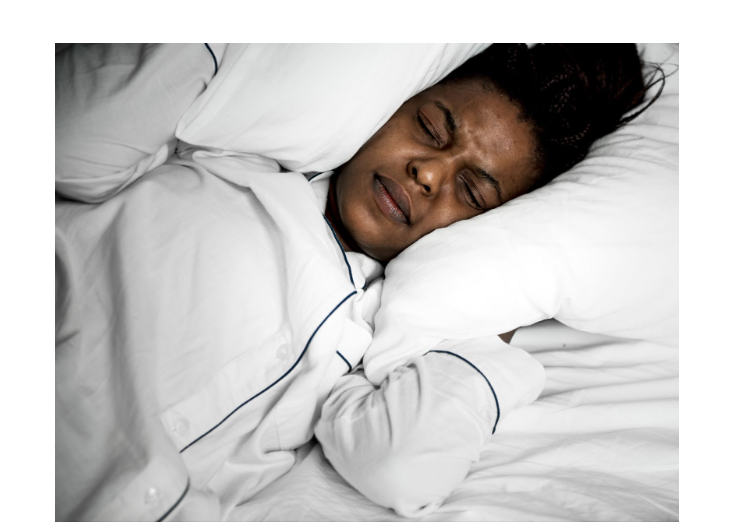
Integrating Home Testing Into Ongoing Care
Identifying sleep apnea is only the beginning. Once diagnosed, individuals can explore treatment options such as CPAP therapy, oral appliances, positional therapy, or lifestyle changes. Home sleep testing may also be used in some cases to assess how well treatment is working over time.
This flexibility supports a more personalized approach to managing sleep health. Rather than viewing testing as a one-time event, it becomes part of a broader strategy focused on long-term well-being.
A More Accessible Path to Diagnosis
Home sleep testing represents a shift toward patient-centered care. By prioritizing comfort, simplicity, and clinical accuracy, it encourages people to address sleep concerns sooner rather than later.
 Hazem Abbas