
How Common Are Concussions In Sports?

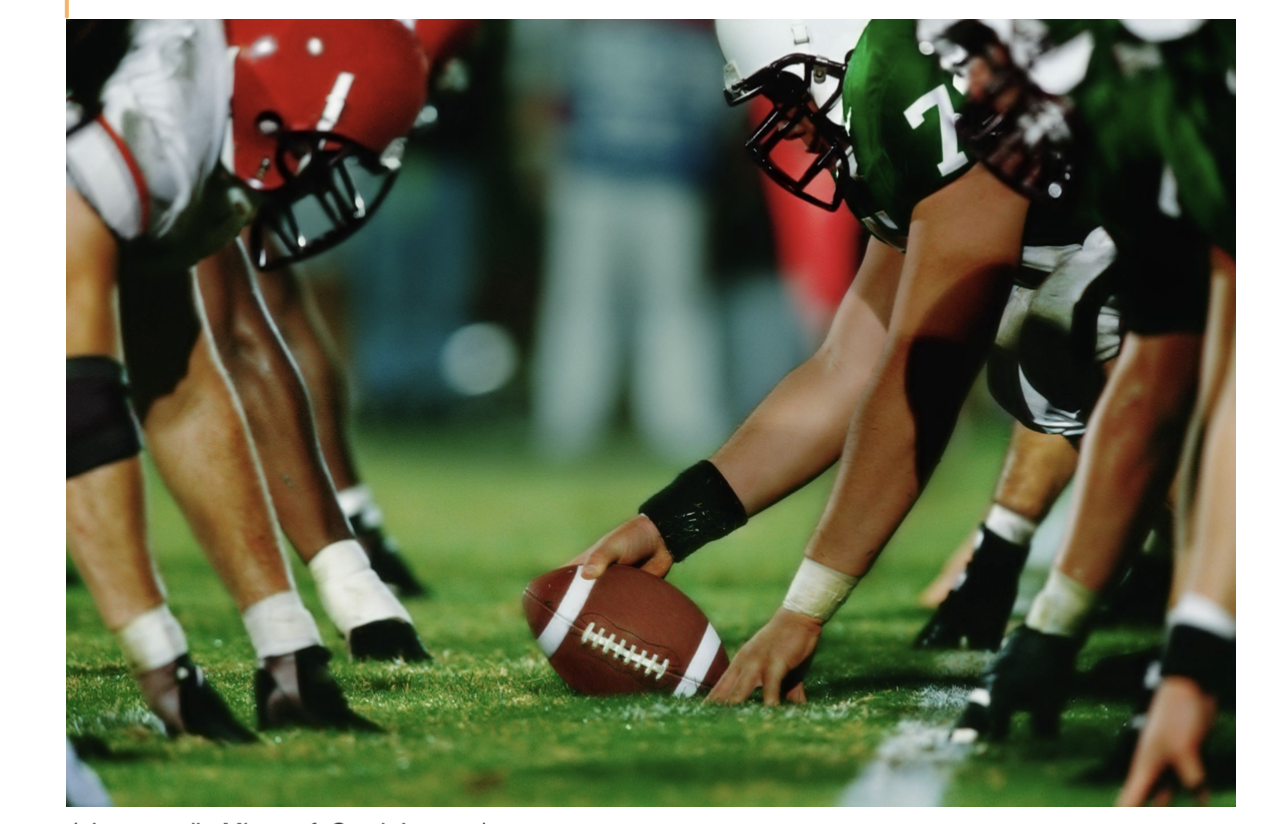
Concussions are one of the most frequently reported injuries in organized sports. They can occur during practices, games, or recreational activities and affect athletes of all ages. While contact sports often receive the most attention, concussions can happen in nearly any activity where falls, collisions, or impacts are possible.
Which Sports Carry the Greatest Risk?
Concussions occur across a wide variety of sports, but the likelihood varies depending on the type of activity. Football, ice hockey, soccer, lacrosse, rugby, basketball, and wrestling consistently report higher numbers of head injuries because of frequent player contact or falls. Cycling, gymnastics, skiing, and horseback riding also present concussion risks, even though they involve less direct contact between athletes.
Youth athletes deserve particular attention because their brains are still developing. A concussion that may seem mild can affect learning, memory, concentration, and reaction time if it is not managed appropriately. Participation in sports remains beneficial for physical and mental health, but awareness of concussion risks allows athletes to compete more safely.

Recognizing the Signs of a Concussion
A concussion does not always involve a loss of consciousness. Common symptoms include headache, dizziness, nausea, confusion, sensitivity to light or noise, blurred vision, balance problems, and difficulty concentrating. Some athletes also experience unusual fatigue or changes in mood after a head injury.
Symptoms may appear immediately or develop several hours after the impact. Coaches, parents, teammates, and athletes should continue monitoring for changes after any significant blow to the head or body. Anyone suspected of having a concussion should be removed from play immediately and evaluated by a qualified healthcare professional.
 Medevel Editor’s pick
Prevention Starts With Proper Safety Practices
Although no piece of equipment can completely prevent a concussion, several strategies help reduce the risk of injury. Teaching proper playing techniques, enforcing game rules, maintaining safe playing surfaces, and encouraging athletes to report symptoms all contribute to a safer environment.
Using well-fitted equipment also remains important. For example, properly maintained hockey protective gear helps reduce the severity of many impacts during play, even though it cannot eliminate the possibility of a concussion. Regular equipment inspections and ongoing safety education support injury prevention throughout the season.
 Medevel Editor’s pick
Recovery Requires Patience
Returning to sports too soon can increase the risk of prolonged symptoms or additional injury. Healthcare providers typically recommend a gradual return to school, work, exercise, and athletic participation based on symptom improvement.
Each concussion is different, and recovery timelines vary from person to person. Following medical guidance, getting adequate rest, and reporting recurring symptoms all support a safer recovery process.
Concussions are a common sports injury, but prompt recognition and appropriate care can significantly improve outcomes. Athletes, families, coaches, and healthcare professionals all play an important role in creating safer sports environments through education, prevention, and responsible return-to-play decisions. Check out the infographic below for more information.
 Medevel Editor’s pick
Author Bio:
Matt Stathopoulos is Marketing Manager for ProStockHockey.com, an online retailer specializing in authentic pro stock hockey gear originally made for NHL players. He is a lifelong hockey fan and avid hockey equipment enthusiast. His hockey passion and knowledge are on display in every blog post, social post and fan/customer interaction. Stathopoulos lives and breathes hockey!