How Medical Assistants Bridge the Gap Between Patients and Digital Health Systems

Digital tools now shape almost every patient visit. Clinics record symptoms, prescriptions, and lab notes through screens instead of paper.
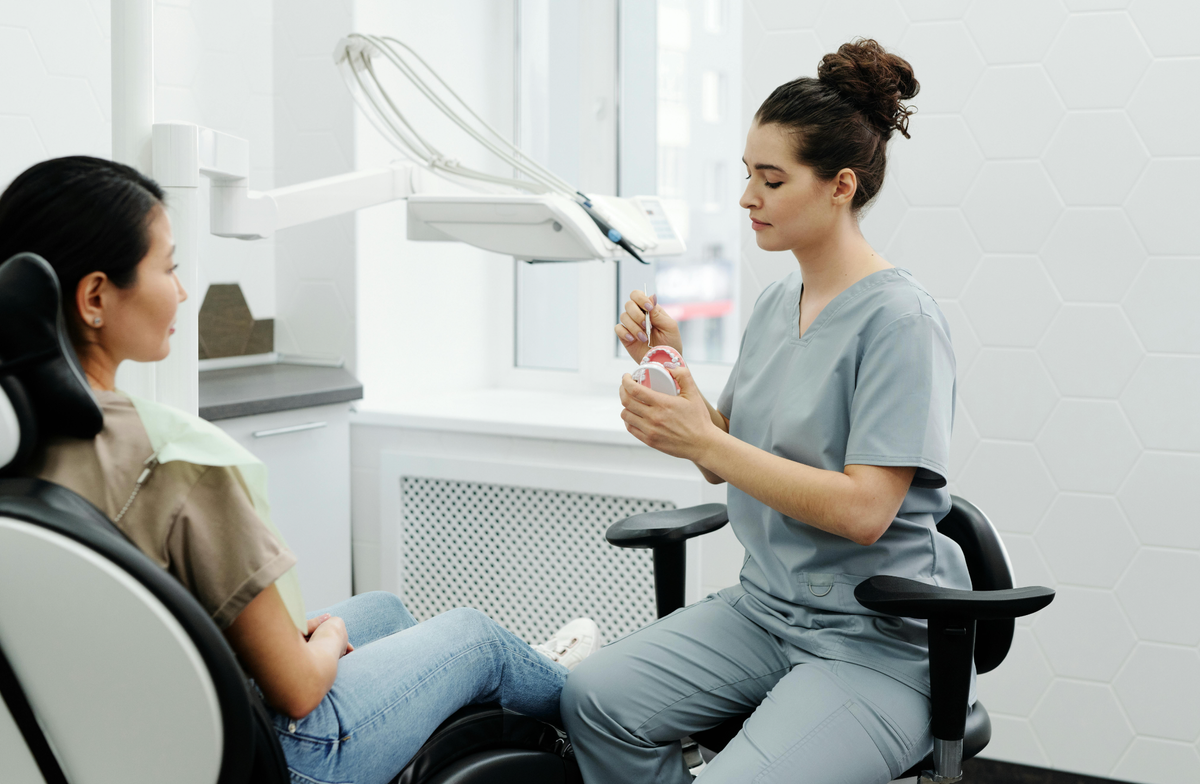
But between patients and those systems stands a crucial connector, the medical assistant. They translate what patients share into structured data that software can use. They keep communication human, even as healthcare grows more digital.
So how do they make it all work?
Let’s look closer at how this role keeps technology personal.
Expanding the Medical Assistant’s Role in Digital Care
Technology reshapes how clinics run every single day. What once meant charting on paper now means managing digital dashboards, lab portals, and patient messages. The shift has turned medical assistants into data stewards and communication anchors.
Modern training teaches them to navigate electronic health records and coordinate virtual appointments with ease. Programs like those at Prism Career Institute prepare students for this balance of empathy and efficiency, guiding each medical assistant’s journey into the connected care era.
Coordinating Patient Data Across Multiple Systems
Every digital record tells part of a patient’s story. Medical assistants link those pieces together, connecting lab results, prescriptions, and follow-ups across platforms.
Their work decides how patient data is handled from intake to provider review. They spot missing details, correct mismatched records, and keep the system clean. It is steady, detailed work that keeps healthcare running smoothly behind every click.
Supporting Telehealth Visits and Remote Monitoring
The days when patients had to sit in crowded waiting rooms are long gone. Those who can’t don’t have to. Now care happens through video calls, app alerts, and secure messages.
Medical assistants make these virtual visits work. They confirm patient information, test connections, and record vitals from remote devices. Their coordination keeps telehealth organized and reliable, turning digital appointments into smooth, human-centered care experiences.
Improving Patient Trust Through Digital Communication
Clear communication builds confidence, even through a screen. Patients want updates that feel personal, not automated.
Medical assistants handle messages. They explain results and guide patients through portals. They turn technical exchanges into conversations that feel caring. This steady contact strengthens trust and helps patients stay engaged with their care long after each appointment ends.
Handling Workflow Between Providers and EHR Platforms
Behind every efficient clinic is careful coordination. Medical assistants move data between providers and digital systems, keeping information accurate and up to date.
They understand the advantages of EHR systems, such as improved accuracy and clarity of medical records. These details support better decisions and smoother teamwork, turning data entry into a direct path toward stronger patient care.
Protecting Privacy While Managing Connected Data
Every click in a patient record carries responsibility. Medical assistants safeguard information as it moves through digital networks.
They follow strict health data privacy laws that govern how personal details are stored and shared. Through constant attention and secure handling, they make sure that patient trust is protected while technology continues to expand across modern healthcare.
Adapting to AI and Automation in Daily Clinical Tasks
Technology keeps learning faster than ever, and medical assistants now work alongside smart systems that predict patient needs.
AI tools flag medication conflicts and schedule reminders automatically. Still, human judgment stays central. Medical assistants interpret those alerts and explain results, ensuring automation supports real care rather than replaces that crucial personal touch.
Endnote
Digital care keeps evolving, but connection remains the core. Medical assistants hold that balance between data and compassion. Their role ensures technology strengthens rather than substitutes the human side of healthcare.