Master Claude Code in 2026: The Ultimate Guide to 10x Your Development Workflow


Artificial Intelligence isn't just coming; it's already here, and if you aren't leveraging Claude Code in your development workflow, you're coding in the past. In this guide, we're breaking down exactly how to transform Claude Code from a simple chatbot into a powerhouse engineering agent that can automate testing, manage repositories, and write production-ready code.
Whether you're a beginner looking to speed up your learning or a senior dev aiming to ship faster, these steps will make your Claude Code experience 10 times better in just a few minutes.
Step 1: Choose Your Battlefield (IDE vs. Terminal)
The first rule of using Claude Code effectively is visibility. While you can run Claude Code directly from your terminal, the real magic happens when you integrate it into your code editor.
Why? Because you need to see the directory structure and the files Claude is generating in real-time.
Recommended Setup
- Best Experience: Install the Claude Code extension inside Cursor (a fork of VS Code optimized for AI) or VS Code directly.
- Alternative: Windsurf or any editor supporting AI extensions.
- How to Install:
- Open the Extensions pane (looks like puzzle pieces).
- Search for "Claude".
- Install the extension and press the Claude Code button to start a new session.
This setup gives you the power of the terminal with the visual context of your project files open side-by-side.
 Hazem Abbas
Step 2: Unlock Long-Term Memory with claude.md
By default, Claude Code has no memory. If you close a session, it forgets your rules, your stack, and your preferences. The fix? A simple file called claude.md.
How to Configure claude.md
Create this file in the root level of your project. It must be spelled exactly as claude.md.
What to include:
- Tech Stack: Specify languages (e.g., "Use TypeScript, not JavaScript").
- Development Commands: List how to run tests, build, or start the server.
- Code Conventions: Define styling rules, naming conventions, or architecture patterns.
- API References: Link to internal docs you want Claude to respect.
Pro Tip: Treat this file as a living document. Continually tell Claude to update claude.md with new important information. Over time, this becomes the "brain" of your project, ensuring consistency across sessions and team members.
 Hazem Abbas
Step 3: Supercharge with Plugins & Connectors
Claude Code becomes truly dangerous when you add plugins. You can install these at a project level (for specific tools) or a global level (for everything).
The Big Three Plugins You Need
To manage these easily, download the Claude Desktop App, go to Customize > Browse Plugins, and install these:
- Playwright (Browser Automation)
- What it does: Allows Claude to control a browser.
- Use Case: Automate testing workflows. Claude can sign into your dev site, click buttons, and verify functionality without you lifting a finger.
- Superpowers (Skill Enhancement)
- What it does: Teaches Claude advanced methodologies like brainstorming, sub-agent development, and systematic debugging.
- Use Case: Before building a feature, ask Claude to "brainstorm." It will follow a structured protocol to dispatch parallel agents and review its own plan.
- Context 7 (Live Documentation)
- What it does: Fetches up-to-date documentation.
- Use Case: Prevents hallucinations. Claude won't suggest deprecated modules from 2 years ago because it can fetch the latest docs instantly.
Step 4: Integrate GitHub with MCP Servers
Version control is non-negotiable. While Claude has a built-in GitHub plugin, the GitHub MCP Server offers deeper integration, allowing Claude to create repos and push code automatically.
How to Set Up GitHub MCP
- Get a Personal Access Token:
- Go to GitHub Settings > Developer Settings > Personal Access Tokens.
- Generate a Classic Token with
reposcope.
- Run the Installation Command:
- Copy the MCP installation command from the Claude documentation.
- Replace the placeholder with your token.
- Crucial Step: Add the flag
--scope userto the end of the command.local: Only works in the current folder.user: Works across all your projects (Recommended).
- Verify:
- Type
/mcpinside Claude Code. You should see GitHub listed as connected.
- Type
Now you can say: "Make a new remote GitHub repository and push the current code to it," and Claude will handle the Git operations for you.
 Hazem Abbas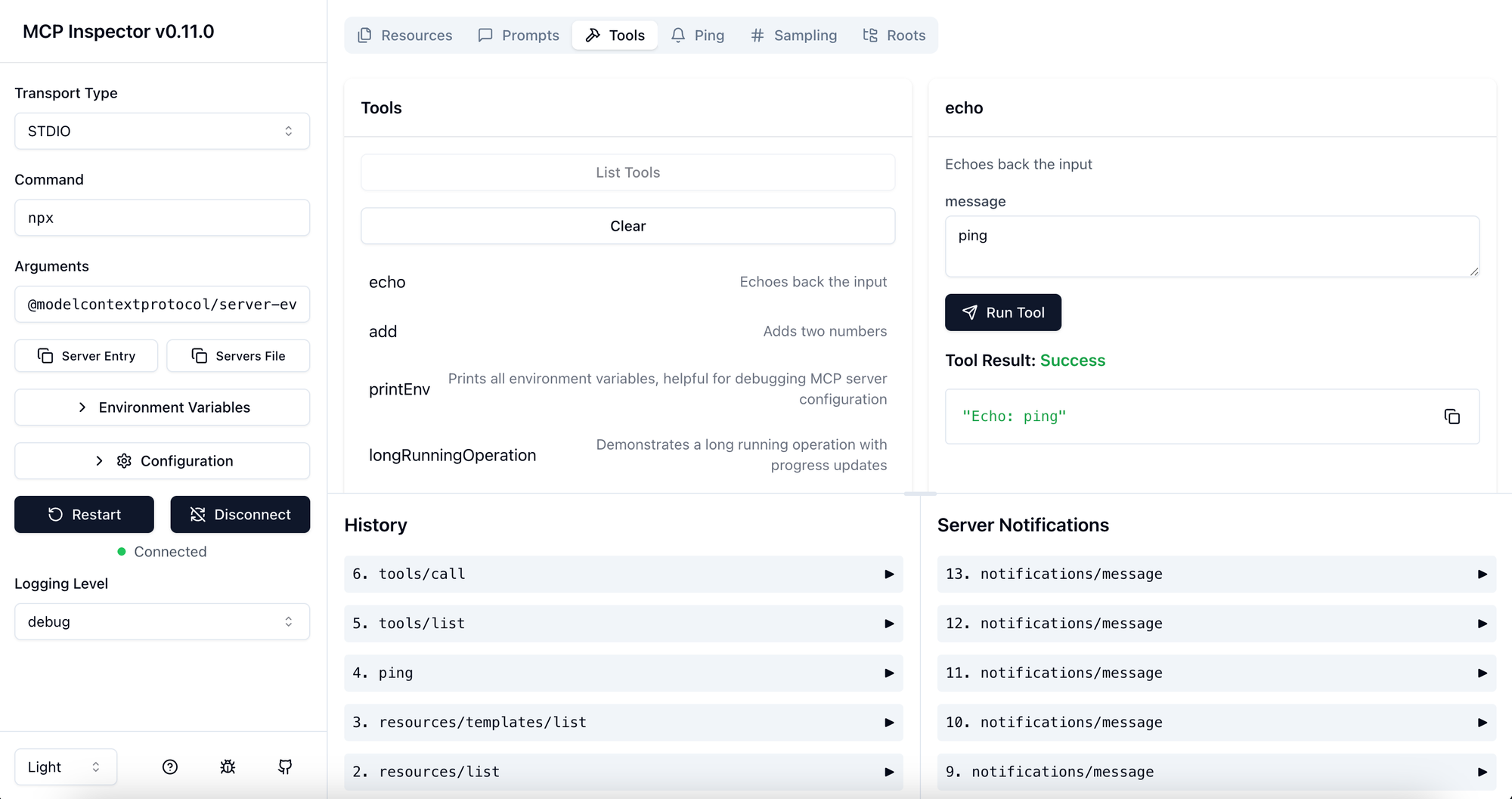
Step 5: Master the Slash Commands
To truly control the AI, you need to know the native commands. Here are the essentials:
| Command | Function | When to Use |
|---|---|---|
/model |
Switch AI Models | Use Sonnet for daily tasks, Opus for complex logic, and Haiku for speed. |
/compact |
Summarize Context | When your chat gets too long, this summarizes the history to save context window space. |
/insights |
Generate Usage Report | Creates a webpage analyzing your usage, performance, and suggestions for improvement. |
Real-World Examples: What Can You Actually Build?
Now that your environment is configured, here are concrete examples of how to leverage Claude Code in your daily workflow:
1. The Automated QA Tester
Prompt: "Use Playwright to create a test script that logs into the admin panel, navigates to the user settings, and verifies the 'Save Changes' button updates the database."
Result: Claude writes and runs the browser automation script, confirming your UI works without you manually clicking through the site.
2. The Full-Stack Deployer
Prompt: "Initialize a new GitHub repository called 'project-alpha', commit all current files, and push them to the remote main branch."
Result: Using the GitHub MCP server, Claude handles the git init, add, commit, and push sequence, ensuring your code is backed up instantly.
3. The Database Architect
Prompt: (With DB Hub connected) "Connect to my Postgres database, analyze the current schema, and write a migration script to add a 'user_preferences' table with JSONB support."
Result: Claude inspects your live database structure and writes compatible SQL migrations, reducing schema errors.
4. The Legacy Code Refactorer
Prompt: "Read the utils.js file. Identify any deprecated functions based on current Context 7 documentation and refactor them to use modern ES6+ standards."
Result: Claude checks live docs to ensure it isn't using old methods, then rewrites your code to be cleaner and faster.
Final Thoughts
Claude Code is more than a chatbot; it's an extensible development engine. By setting up your claude.md for memory, installing Superpowers and Playwright for skills, and connecting GitHub via MCP, you turn AI into a genuine pair programmer.
Remember: While AI handles the heavy lifting, understanding the fundamentals remains key. If you're aiming for a software engineering role, continue practicing Data Structures and Algorithms (DSA) alongside your AI tools to ace those technical interviews.
Ready to upgrade your workflow? Open your terminal, install the extensions, and start building the future today.
 Hazem Abbas
 Hazem Abbas