
EMR
The Pros and Cons of 8 Online EMR and EHR Systems in the USA
The Pros and Cons of 8 Online EMR and EHR Systems in the USA

EMR
The Pros and Cons of 8 Online EMR and EHR Systems in the USA

Cybersecurity
What is a PHI or Protected Health Information? PHI stands for Protected Health Information. It refers to any individually identifiable health information that is created or received by a healthcare provider, health plan, public health authority, or healthcare clearinghouse. This information includes demographic data, medical history, test results, insurance information,

HIPAA
Introduction In the realm of healthcare, ensuring patient confidentiality and data security is of utmost importance. While the Health Insurance Portability and Accountability Act (HIPAA) establishes the standard for safeguarding sensitive patient data in the United States, it begs the question: should healthcare service providers outside of the US also

HIPAA
In the ever-evolving landscape of healthcare technology, the question of compliance with the Health Insurance Portability and Accountability Act (HIPAA) often arises, particularly when it extends beyond the borders of the United States. HIPAA, a US legislation, sets the standard for protecting sensitive patient data. But does this apply to

Healthcare
In today’s fast-paced healthcare industry, it is vital to find the right methods of managing assets. Hospitals, clinics, and other healthcare facilities rely on a range of equipment and supplies to deliver patient care. To ensure smooth operations and make the most of resources, many organizations are opting for

HIPAA
The Health Insurance Portability and Accountability Act (HIPAA) establishes stringent requirements for securing protected health information (PHI). Healthcare organizations handling PHI must implement safeguards to ensure data privacy and prevent improper access, use, or disclosure of sensitive patient information. A critical technology for HIPAA compliance is data loss prevention (DLP)

HIPAA
Healthcare providers must keep patient information safe and secure, which is why HIPAA compliance is so important. Here are ten software and solutions that meet HIPAA requirements and can help clinics and hospitals protect patient data.

Healthcare
Safety and security are essential components of any successful healthcare facility. It's a crucial necessity that healthcare facilities must have dedicated measures in place to protect staff, patients, and visitors from potential harm or injury. Knowing this, it's important to understand and uphold the best practices

HIPAA
Top 10 HIPAA Cloud File Storage/ Collaboration & Cloud File Sharing Services for Doctors, Healthcare Professionals, and The Enterprise

Web-based Apps
Google Analytics is a free web analytics service offered by Google that tracks and reports website traffic, allowing website owners to gain insights into the behavior of their users. It provides various tools and metrics to measure website performance, such as the number of visitors, their demographics, the pages they
Healthcare
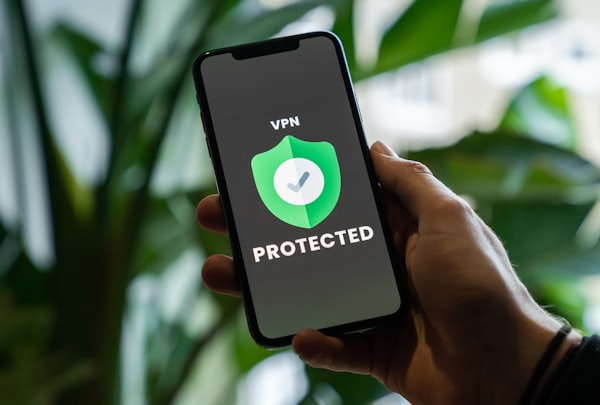
In today's highly digitalized world, where the internet has become an essential facet of our lives, Virtual Private Networks (VPNs) have become an indispensable tool for everyone, from doctors and lawyers to students and homemakers. In fact, VPNs have become an integral part of our daily digital routine,

Open-source
What is HIPAA? HIPAA was enacted in 1996 by the United States Congress as a federal law. It establishes national standards for electronic healthcare transactions and protects personal health information (PHI). As part of HIPAA, healthcare providers, health insurers, and clearinghouses must safeguard health information and keep it confidential at