
What Is a Degloving Injury and How Does It Happen?

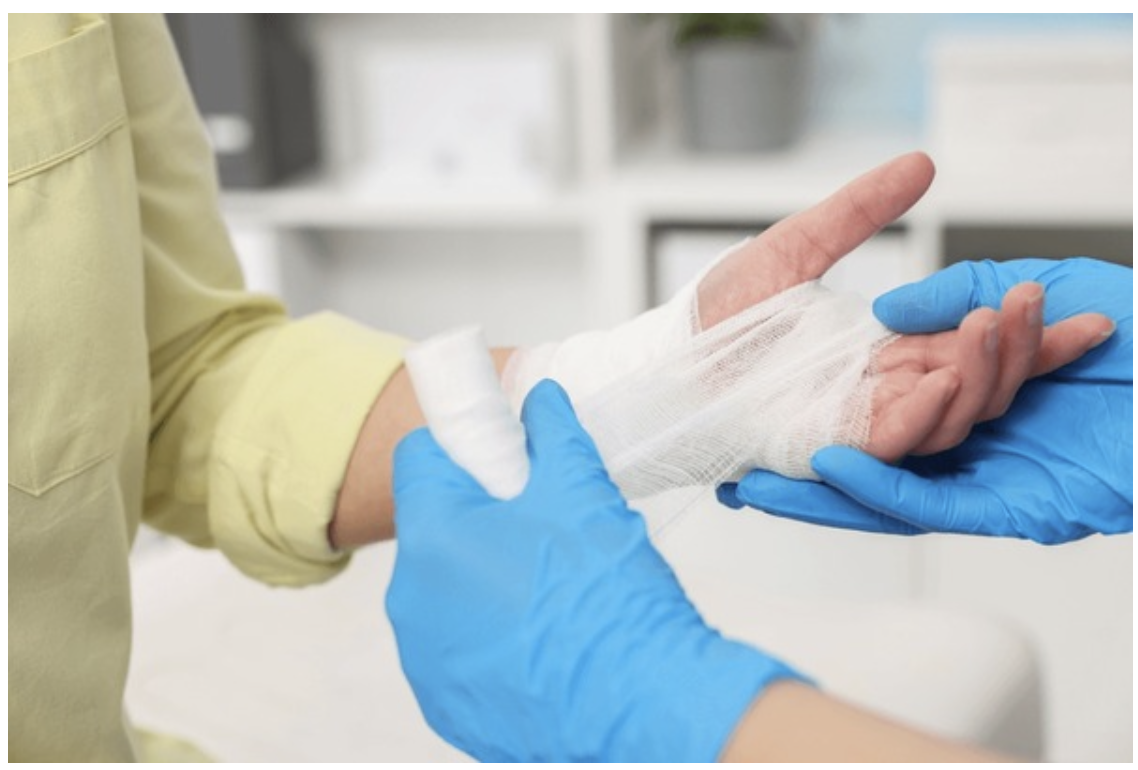
Imagine peeling a tight glove off your hand, but instead of fabric, it is your skin. That is precisely what a degloving injury looks like. It is a gruesome trauma where a large patch of skin and the fat underneath get ripped clean away from the muscle or bone. Because the injury destroys your blood vessels and nerves instantly, doctors treat it as a massive surgical emergency.
Having your skin torn away like that is a total shock to the body. Most people immediately ask is degloving painful because the visual damage is so extreme. While the initial nerve shredding can sometimes cause a weird numbness, the long road of surgeries and healing involves some of the most intense physical suffering a person can go through.
Getting to a trauma center fast is the only way to survive such an injury. These wounds invite nasty infections since your body's natural shield is gone. Surgeons have to scramble to see if they can reattach the original skin or if they need to start harvesting grafts from other parts of your body.
How These Injuries Actually Happen
Most of these horrors happen when someone gets caught in heavy, moving machinery. Think about industrial workplaces with conveyor belts, rollers, or spinning gears that can snag a loose sleeve or a finger. In an instant, the machine's power pulls the skin one way while your body weight pulls the other. The result is a violent peeling action that leaves the bone exposed.
Wrecks on the road are another common culprit for these injuries. Motorcyclists and people walking near traffic are at huge risk because they don't have a car frame to protect them. Sliding across the pavement at high speeds creates a friction that acts like sandpaper on the skin. These "road rash" cases often involve deep damage that needs years of reconstruction.
The Difference Between Open and Closed Injuries
Not all degloving looks the same. An open injury is obvious because the skin is hanging off or totally gone, leaving the red muscle or white bone showing. These are terrifying to look at and cause immediate, life-threatening blood loss.
Then there is the "closed" version, which is a sneaky killer of tissue. In a closed degloving, the skin stays attached on the outside, but it gets slammed so hard it separates from the tissue underneath. A pocket forms and fills up with blood and gunk. If a doctor doesn't drain that hidden pocket, the skin on top will eventually rot and die because it has no blood supply.
Steps to Take After a Traumatic Injury
- Call 911 immediately: Time is critical when you are trying to save living tissue.
- Stop the bleeding: Use a clean shirt or gauze to put steady pressure on the open wound.
- Save any skin: If a piece fell off, put it in a clean bag and keep it on ice, but don't let it touch the ice directly.
- Stay very still: Moving around can make the skin tear even further away from the muscle.
- Demand a trauma center: Make sure the ambulance takes the victim to a hospital that handles major plastic surgery.
Key Takeaways
- Degloving is a trauma where skin is ripped away from the bone and muscle.
- It is a medical emergency that often leads to severe infections if not treated.
- Machines and road accidents are the top reasons these injuries happen.
- Closed degloving is dangerous because the damage is hidden under the skin.
- The recovery process is long, complex, and involves extreme physical pain.
- Immediate surgery is the only chance to save the limb or the detached skin.
- Most victims need years of physical therapy to move that part of their body again.