
What Is Digital Triage in Behavioral Health

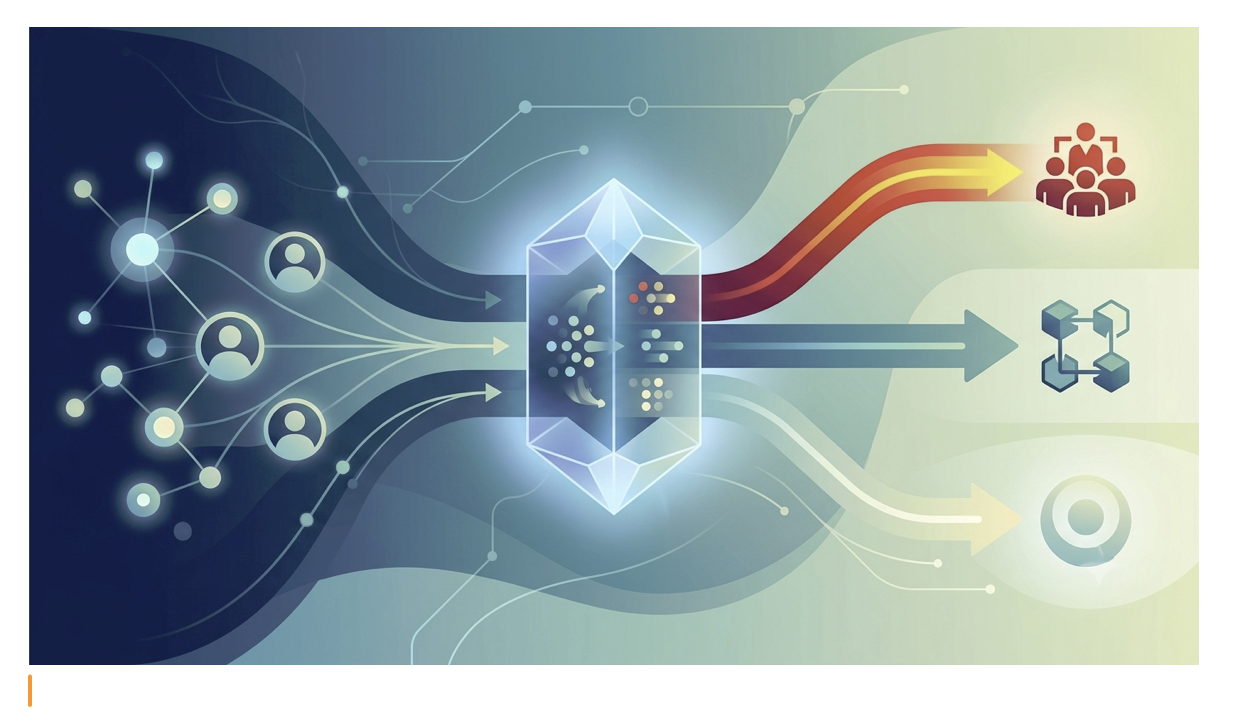
Behavioral health systems face unprecedented demand every single day and represent a $103 billion market, creating a critical bottleneck at the point of initial intake. Digital triage offers a modern solution to this crisis by using automated software, clinical questionnaires, and machine-learning algorithms to assess and triage patients based on the severity of their psychiatric symptoms.
This process does not replace a formal clinical diagnosis. Instead, it serves as a smart routing mechanism that categorizes incoming patient data to determine how quickly an individual needs attention and what level of clinical infrastructure will best serve them.
Understanding Digital Triage in Behavioral Health
The primary purpose of this technology is to optimize the patient journey from the very first click. Traditional mental health intake relies heavily on manual phone screenings, administrative paperwork, and subjective initial evaluations that can delay critical interventions for days or weeks.
Digital triage systems instantly analyze self-reported patient data, historical electronic health records, and digital phenotyping metrics to calculate an objective acuity score. This immediate stratification allows high-risk individuals to bypass standard waiting lists, directing them straight to emergency interventions while routing stable patients to standard outpatient care pathways.
Navigating the complex spectrum of psychiatric care requires a dynamic system capable of matching clinical presentations to precise medical environments. Advanced digital triage systems map patient data against specific operational thresholds, guiding individuals toward tailored interventions ranging from intensive medical detox programs to weekly outpatient therapy sessions.
Regional routing is important in this context. For example, NJ-based patients seeking structured mental health treatment in Princeton benefit from modern digital infrastructure that streamlines the matching process by connecting state-level intake data with available clinical beds and localized therapeutic programs. This geographic routing ensures that patients do not get lost in a fragmented system, placing them in the exact environment required to foster long-term psychological recovery.
Machine Learning and Algorithmic Sorting
Modern triage tools utilize advanced machine learning models to analyze complex behavioral patterns that manual screening tools frequently overlook. While standard static PDF questionnaires capture only snapshot data, machine learning tools evaluate sentiment in language, response latency, and historical symptom trajectories to predict potential patient escalation. This automated routing drastically reduces administrative workload, allowing clinical professionals to focus their time on direct patient care rather than processing intake paperwork.
Deploying automated algorithms in behavioral health requires strict oversight to ensure clinical safety and algorithmic equity. Development teams must deliberately train models on diverse datasets to mitigate algorithmic bias, ensuring that the software does not misinterpret symptom expressions across demographic groups.
Furthermore, these systems must strictly comply with rigorous privacy regulations to safeguard sensitive patient information. Maintaining comprehensive, immutable audit trails allows clinical directors to review automated decisions, ensuring that every algorithmic recommendation remains fully transparent, safe, and clinically justifiable.
Optimizing Local Behavioral Health Care Pathways
Implementing digital intake frameworks allows psychiatric networks to manage their operational workflows with unprecedented accuracy. By removing administrative friction from the front end of care, providers can allocate limited clinical resources to patients experiencing acute psychological distress. This systemic efficiency prevents emergency room overcrowding and reduces burnout among intake staff who routinely manage overwhelming call volumes.
Transitioning to automated intake pipelines directly supports a more cohesive and responsive behavioral healthcare infrastructure. To learn more about how modern clinical frameworks optimize patient recovery and streamline intake workflows, explore the clinical insights provided on our blog.