
What Types of Damages Can You Seek After a Cholecystectomy Error?

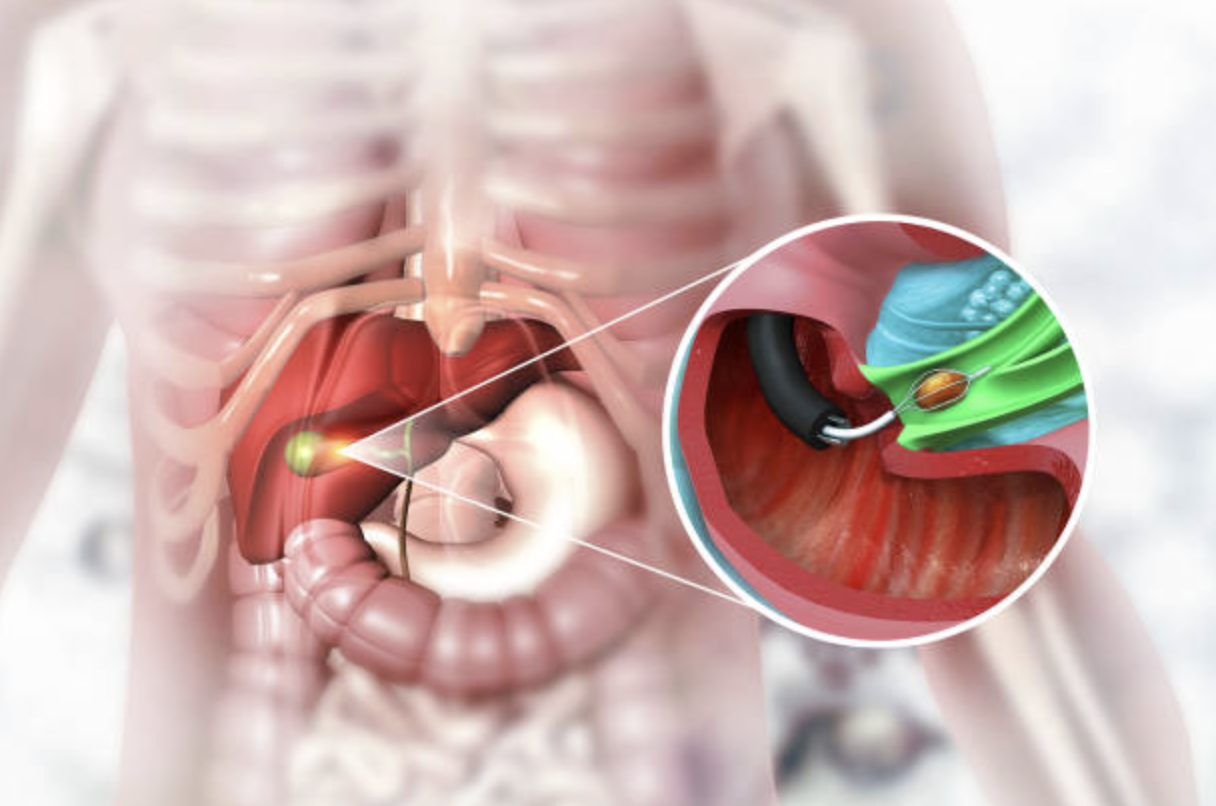
Gallbladder removal is one of the most common surgeries in the U.S. Over 700,000 are done every year. Most patients go home within a day and recover without any problem. But not everyone does.
Some patients wake up from surgery with a new problem. A wrong cut of the bile duct. An organ cut during the procedure. A complication that went unnoticed. These mistakes can turn a simple surgery into months of pain and more operations.
If you are a victim of this, then after a cholecystectomy error, you can seek two main types of damages:
- Economic damages
- Non-economic damages
In some rare cases, punitive damages may apply too.
The problem is, many patients don’t know what they can actually claim. Here’s a clear breakdown of the types of damages available in a medical malpractice case after a cholecystectomy.
The Two Main Categories
All damages in a malpractice case fall into two buckets. Economic and non-economic. One cover for the money you lost. The other covers the suffering you went through.
1. Economic Damages
These are the losses with a clear dollar amount attached.
Medical Bills
This starts with every bill connected to the error.
- The emergency room visit
- The imaging scans
- The second surgery to fix the damage
- The hospital stays
- The specialist appointments
Future Treatment Costs
Some injuries don’t fully heal. A narrowed bile duct may need procedures again and again over the years. If your doctors say ongoing treatment is needed, those future costs are part of what you can claim today.
Lost Wages
If you missed work because of the complications, you can claim that lost income. Pay stubs, employer letters, and tax records help prove this part of the claim.
Loss of Earning Capacity
This one goes further. What if the injury stopped you from doing your job? What if you had to switch careers? You get compensated for this too.
An economic expert can calculate the difference between what you would have earned and what you’re now able to earn. That gap is compensable.
2. Non-Economic Damages
These damages are real. But they just don’t show up on a hospital invoice.
Pain and Suffering
This covers the physical pain from the injury and every procedure that followed. Courts look at:
- How bad the pain was
- How long it lasted
- How it changed your day-to-day life
For example, chronic pain after a bile duct injury.
Emotional Distress
A surgical mistake leaves a mark beyond the physical. Many patients develop anxiety about medical settings. Some get depression. Some develop PTSD. These are documented, and they’re compensable.
To prove this and get your claim, you may need mental health records and therapy notes.
Loss of Enjoyment of Life
Maybe you used to run in the morning. Maybe you used to play with your grandkids. Maybe you worked in your garden every morning. If the injury took those things away from you, you can seek damages for your injury.
Loss of Consortium
This only applies to spouses and partners. If your relationship suffered because of your injury, your partner may have their own separate claim.
Punitive Damages
Most malpractice cases don’t include these. Punitive damages aren’t about compensating you; it’s about punishing the defendant. They come into play when the behavior was more than just a mistake.
For example, consider if a hospital covered up an injury. In such situations, courts use these damages to send a warning.
What Can Change the Value of Your Claim
A few things directly affect how much you can recover.
- Permanent damage leads to higher compensation than injuries that are completely healed.
- Many states limit how much you can receive for pain and suffering.
- Strong medical records make your case stronger.
- If you wait too long to seek care, that could reduce your payout.
Key Takeaways
- Gallbladder removal is among the most common surgeries in the U.S., yet errors during cholecystectomy remain a concern.
- Economic damages cover every financial loss tied to the error.
- Non-economic damages cover pain, emotional harm, and the way your life changed.
- Punitive damages are rare and apply in cases of intentional wrongdoing.
- A medical expert witness is always required to prove a standard-of-care violation in these cases.