When AI Eats Its Own Tail: The Content Cannibalism Crisis

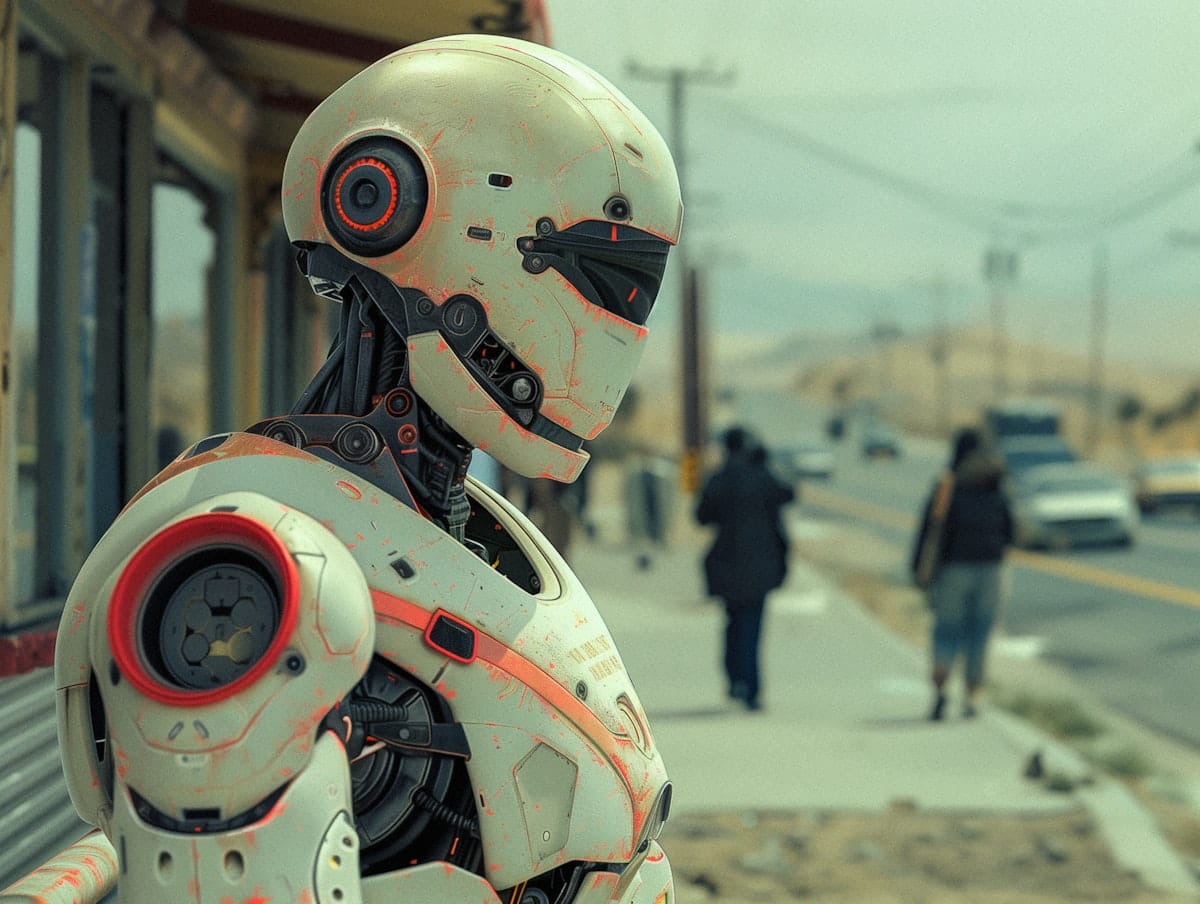
Let’s get real. AI is eating the internet’s soul. And it’s kinda wild how we’re all just… letting it happen.
The Rise of the AI Content Vortex
Remember when Google was a library? Now it’s more like a juicer. You type a question, and BAM—AI-generated summaries, bullet points, and “quick answers” vomit onto your screen. No need to click links, right? Wrong. Because here’s the kicker: those summaries are scraped from blogs written by humans.
 Hazem Abbas
Case in point: My buddy Alex ran a travel blog for years. He’d spend weeks hiking remote trails, chatting with locals, and writing 3,000-word guides. Then Google’s AI started spitting out his hard-won tips in a neat little box. Traffic to his site? Tanked. He quit last month. “Why bother?” he said. “AI’s just gonna regurgitate it anyway.”
The Blogger Burnout Cycle
Here’s the ugly truth: AI is killing creativity. Bloggers like Alex aren’t lazy—they’re exhausted. They pour their hearts into original content, only to see it stripped for parts by algorithms. And when bloggers quit, guess what AI uses next? The same old recycled crap it’s been chewing on for years.
Take cooking blogs. Once a goldmine of personal stories and grandma’s secret recipes, now they’re all SEO-optimized lists. Why? Because AI rewards quantity over quality.
 Hazem Abbas
Google’s Frankenstein Algorithm
Let’s roast Google for a sec. Their AI-generated answers were supposed to “help” us. Instead, they’ve turned the internet into a game of Telephone. Example: I searched “how to grow tomatoes” last week. The AI summary said, “Bury banana peels for bigger fruit!” But when I clicked the source? The blog actually said, “Don’t bury banana peels—they attract pests.”
Google’s algorithm isn’t just messy—it’s dangerous. It rewards speed over accuracy, and humans are left cleaning up the misinformation.
The Lazy Brain Epidemic
Here’s the scariest part: we’re getting dumber. Why read a 10-minute article when you can get a 10-second summary? But here’s the thing—summarized content is like protein powder instead of a steak. It’ll fill you up, but you miss the flavor, the nuance, the human parts.
I saw this firsthand teaching a writing class. Students cited AI summaries as “sources” in essays. When I asked for real quotes or case studies? Crickets. They didn’t know how to dig deeper.
The Inevitable AI Starvation
So, what happens when bloggers quit en masse? AI’s buffet runs out. No new content = no fresh data = AI spewing the same stale takes forever. Imagine:
- “10 Best Movies of 2023” lists… in 2030.
- Travel guides for cities that no longer exist.
- Recipes that taste like existential dread.
AI can’t create—it can only remix. And once humans stop feeding the machine, the whole system collapses.
 Hazem Abbas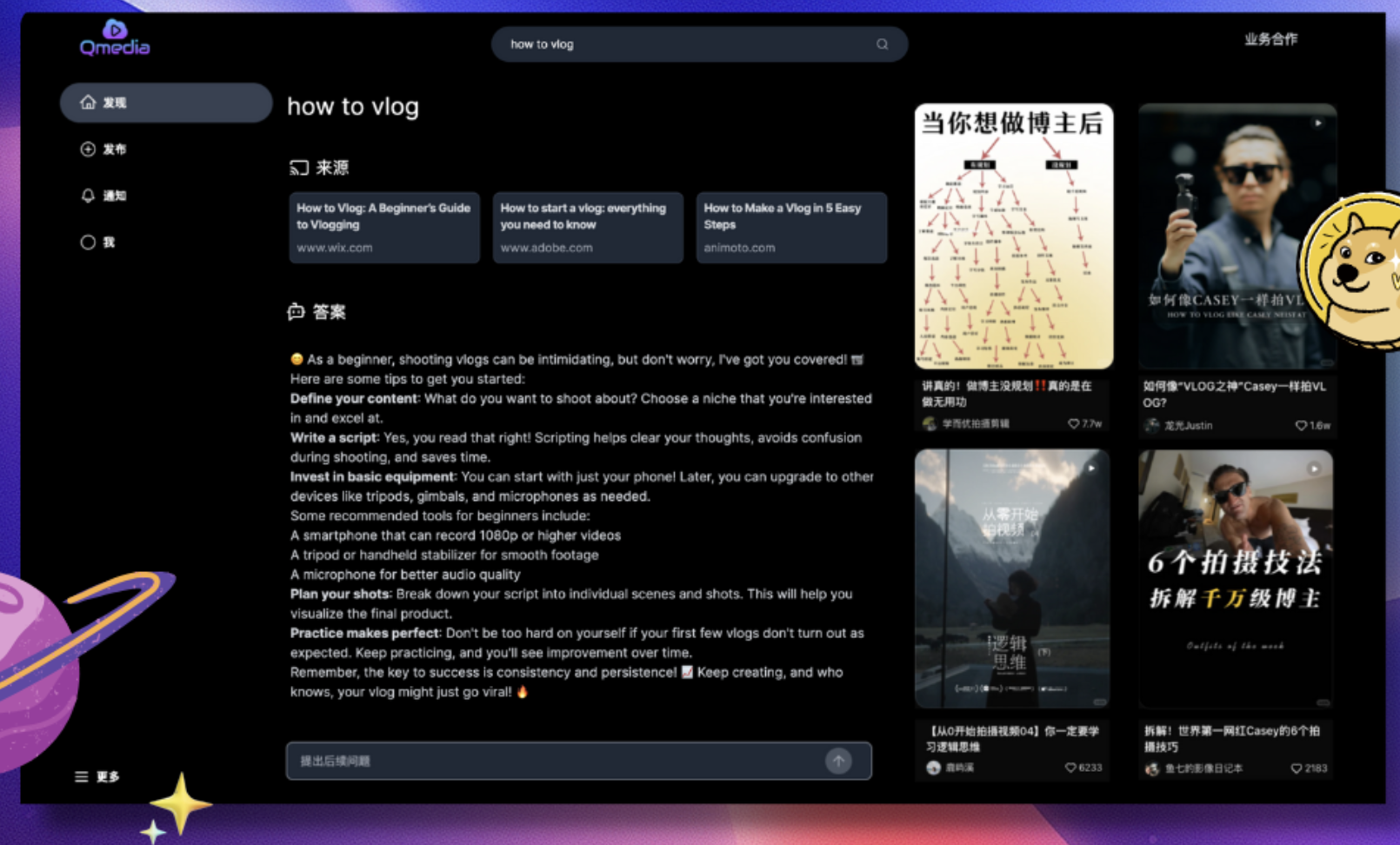
So, What’s a Human to Do?
- Rebel with authenticity. Write like a human, not a bot. Share stories, not just keywords.
- Go niche or go home. AI can’t replicate hyper-specific content. Write about your weird hobby, hometown, or obsession.
- Sue the algorithms. Okay, maybe not. But demand transparency. If Google uses your content, they should credit (and maybe pay) you.
Final Thought: The World Needs Your Voice
AI isn’t the villain—it’s a tool. But when we let it erase human creativity, we all lose. So keep writing. Keep creating. And for the love of banana peels, bury your own damn tomatoes.
P.S. If you’re a blogger feeling defeated: I see you. Keep going. The internet needs your weird, messy, human brain. 💀✨
What’s your take? Drop a comment or share this if you’re ready to rage against the machine.