
Why Leg Swelling After a Motorcycle Crash Is More Serious Than You Think

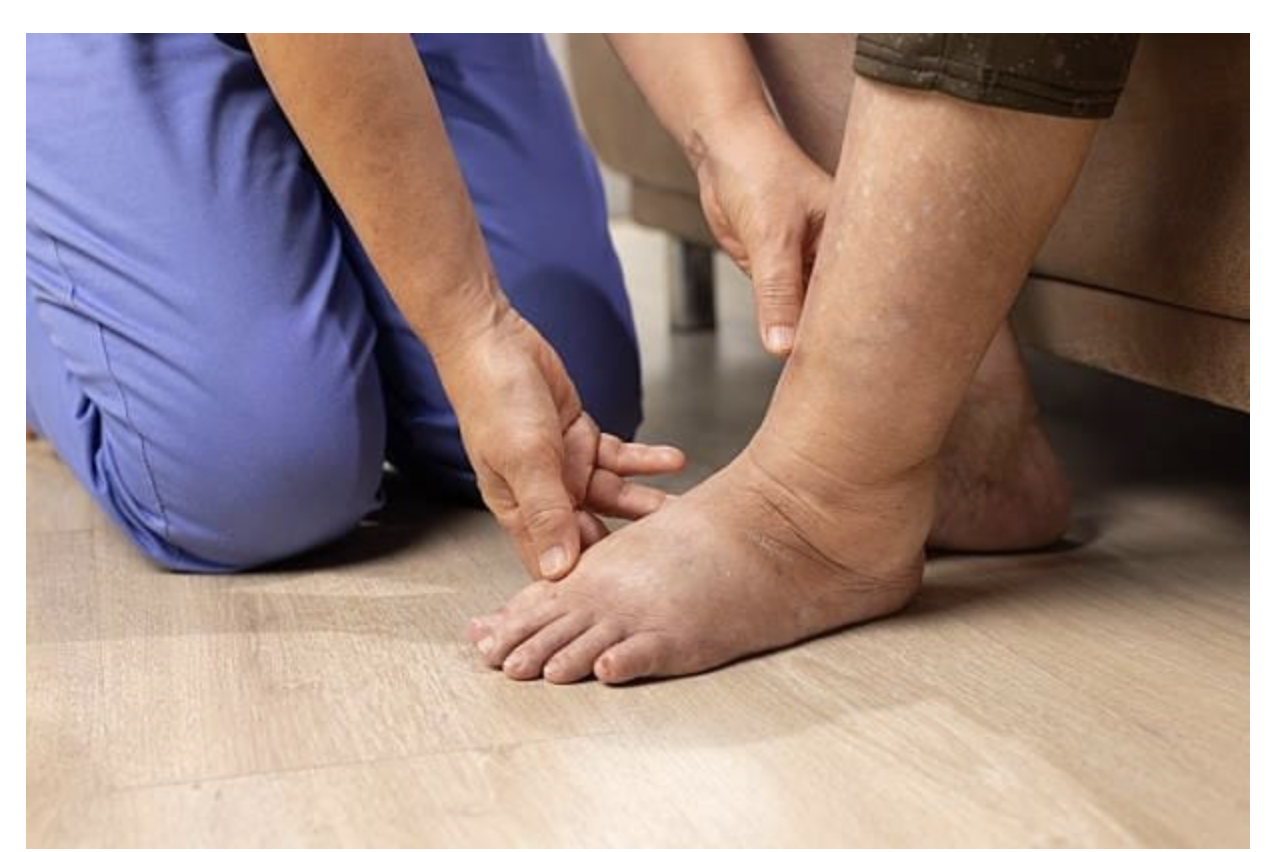
Leg swelling after a motorcycle crash is more serious than most people realize because it can signal hidden injuries like internal bleeding, fractures, or dangerous blood clots. What appears to be a simple bruise or mild swelling on the surface may actually indicate more serious damage that requires prompt medical attention.
After a crash, your body reacts fast. Tissues swell as part of the healing process, but not all swelling is harmless. In many cases, it’s the body’s way of saying something isn’t right underneath, something not visible on the surface.
That’s why leg swelling after motorcycle accident should never be ignored. Even if the pain feels manageable or the swelling seems minor at first, it can get worse over time. What starts as discomfort could turn into a serious complication if left unchecked.
Why Swelling Can Point to Serious Injury
Swelling is not just fluid buildup. It often means your body is reacting to trauma. After a motorcycle crash, that trauma can be deep.
Here’s what swelling may hide:
- Fractures – Small or hairline breaks don’t always show up right away.
- Internal bleeding – Blood can pool in tissues and increase pressure.
- Soft tissue damage – Torn muscles or ligaments swell fast.
- Compartment syndrome – A dangerous rise in pressure inside the leg.
Thousands of motorcyclists are injured in the United States every year, and many of these involve lower body injuries.
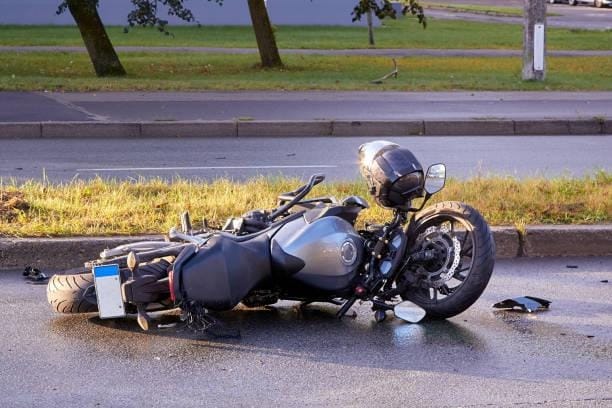
Compartment Syndrome: A Medical Emergency
This is one of the most serious causes of swelling. When pressure builds inside the muscle, it cuts off blood flow. Without quick treatment, tissue can die.
Watch for:
- Severe pain that feels out of proportion
- Tight or hard skin
- Numbness or tingling
- Reduced movement
Doctors treat this with surgery. Waiting too long can lead to permanent damage.
Blood Clots: The Silent Risk
Swelling can also signal a blood clot, known as deep vein thrombosis (DVT). Up to 900,000 Americans develop venous thromboembolism (including deep vein thrombosis) each year.
Signs include:
- Swelling in one leg
- Warm skin
- Red or discolored patches
- Pain when standing or walking
A clot can travel to your lungs. That becomes a pulmonary embolism, which can be life-threatening.
Legal Angle: Why Documentation Matters
If your crash involved another driver, swelling is not just a medical issue. It can affect your legal claim.
Under general negligence laws, drivers have a duty to act with reasonable care. If someone else caused your crash, they may be liable for your injuries, even delayed ones like swelling.
Here’s what helps protect your case:
- Get medical care right away
- Follow all treatment plans
- Keep records of symptoms and changes
- Take photos of swelling over time
Insurance companies often question injuries that appear later. Clear records make a difference.
When You Should See a Doctor
Don’t wait it out. Get checked if you notice:
- Swelling that increases after 24 hours
- Pain that gets worse, not better
- Trouble walking or bearing weight
- Skin that feels tight or shiny
Even mild swelling deserves attention after a crash.
Key Takeaways
- Leg swelling after a crash can signal serious hidden injuries.
- It may point to fractures, internal bleeding, or compartment syndrome.
- Blood clots are a real risk and can become life-threatening.
- U.S. data shows thousands of riders suffer leg injuries each year.
- Laws allow you to claim damages if another driver caused the crash.
- Early medical care and documentation protect both your health and your case.
- Never ignore swelling that worsens or feels unusual.