WifiScreen Use Mobile or Table as a Second Screen for Your Windows System, Old But Still Usable

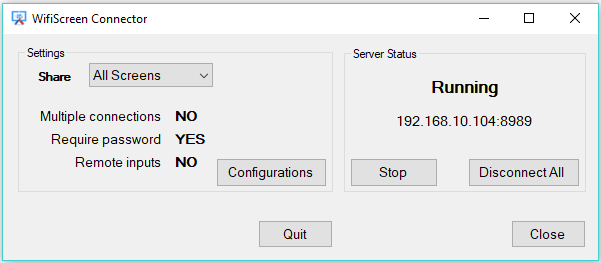
WifiScreen is a free and open-source Windows app that enables Windows users to use any portable device as a second screen/ monitor. Basically, it shares your screen through Wifi.
While it is only made for Windows, and built on top of old legacy tech "TightVNC", it is still highly usable.
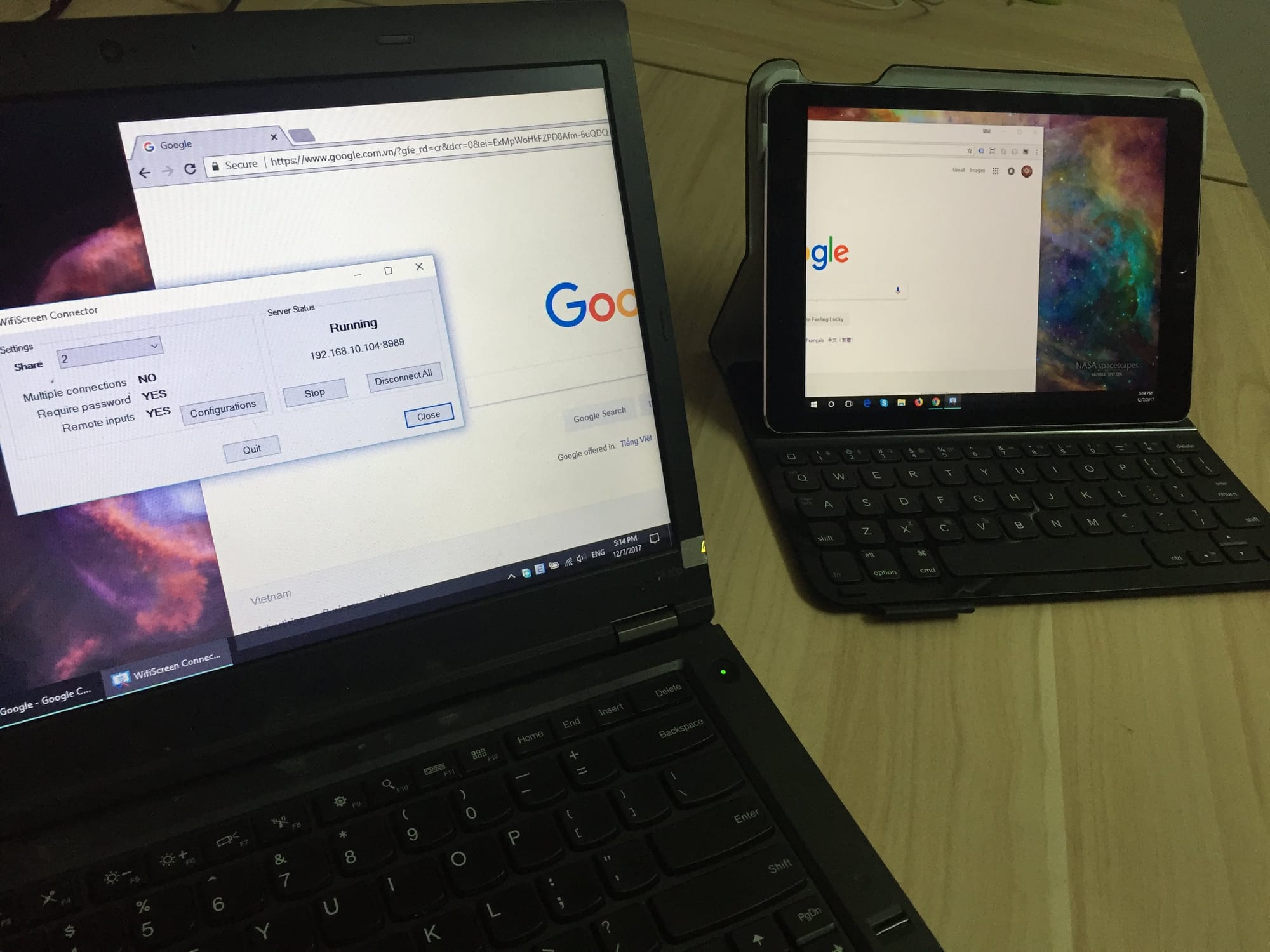
The app offers a portable version for Windows that includes Windows 32-bit, 64-bit, and supports VNC viewer and apps directly from your machine with a simple easy to use interface.
How to use?
On Windows OS (7 and later), you are able to extend the second monitor even with only one physical monitor.
How to turn on the second desktop: [Windows Key] + P, then select Extend
Settings
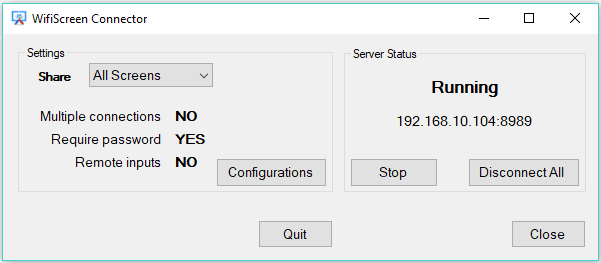
The app settings window is a straightforward, with it you can:
- Select a screen or all screens to share to other devices
- Multiple connections: Allow multiple devices connect to your shared screen (e.g: for seminar purpose)
- Require password: Authentication is required when a device want to connect.
- Remote inputs: you can use mouse/ keyboard on the connected devices to input.
Supported Platforms
- Windows 7 and later for 32-bit and 64-bit
Project Status
- The app last update was at Dec 2017, but it is still usable and functional.
License
Free software
Resources
GitHub - trietho/wifiscreen: Using iPad, tablet, iPhone, android devices or other computers as an extended monitor for Microsoft Windows
Using iPad, tablet, iPhone, android devices or other computers as an extended monitor for Microsoft Windows - trietho/wifiscreen
 trietho