
Choosing the Right Horse: A Practical Approach

Buying a horse is an exciting yet significant decision that requires careful consideration. Whether you're purchasing your first horse or adding another to your stable, it's essential to follow a structured approach to ensure you find the right match for your needs and skill level.
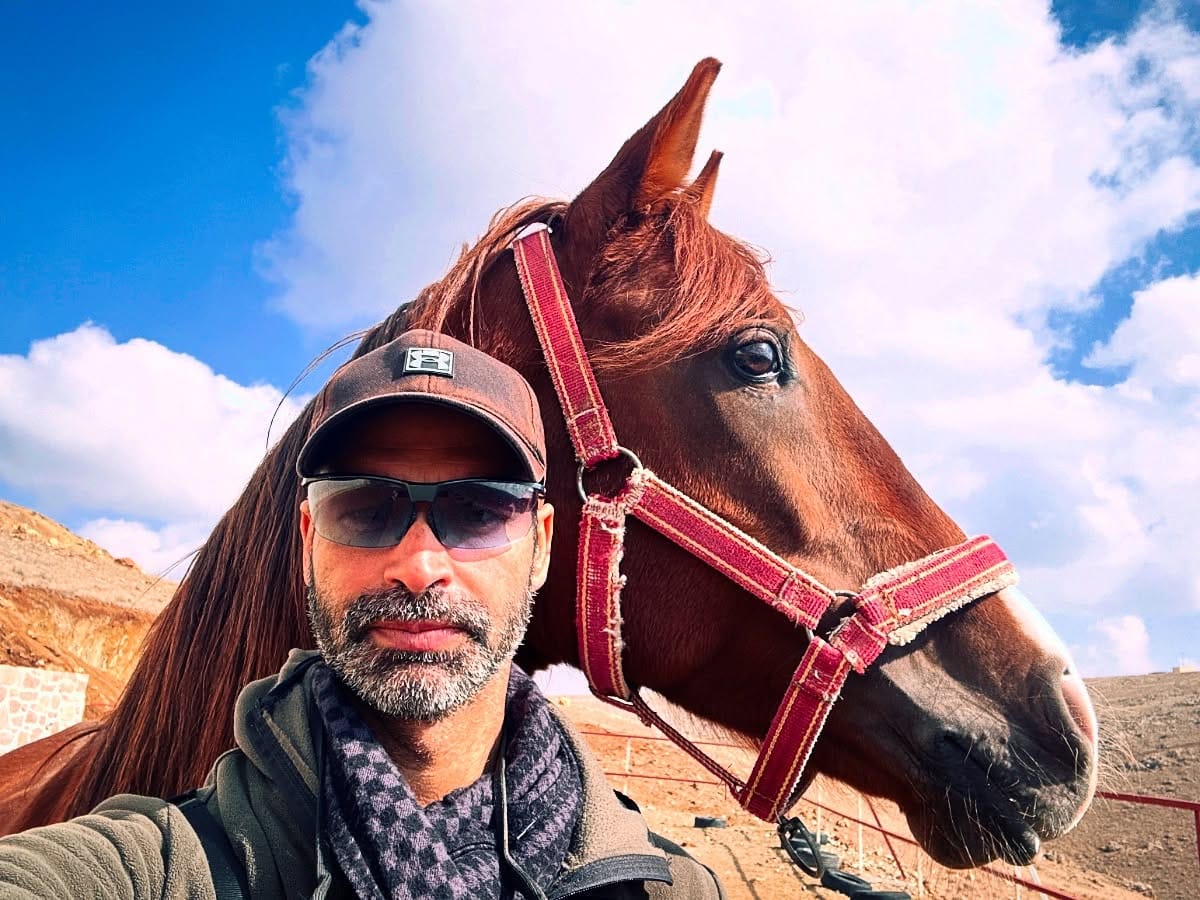
I learned this firsthand over the years as I’ve gone through the process of buying horses myself, each experience teaching me something new about what matters most.My first horse, a gentle chestnut mare named K, came into my life almost by accident.
I was a novice rider, eager but inexperienced, and I’d spent months dreaming of owning a horse. One crisp autumn day, I visited a local barn with a friend who knew the owner. K was there was there, quietly munching hay, and I felt an instant connection. But I didn’t just jump in—I asked to ride her, watched how she moved, and talked to her owner about her history.
She’d been a lesson horse, steady and forgiving, which was perfect for me at the time. I took my time, visited her twice more, and even had a vet check her out before signing the papers.
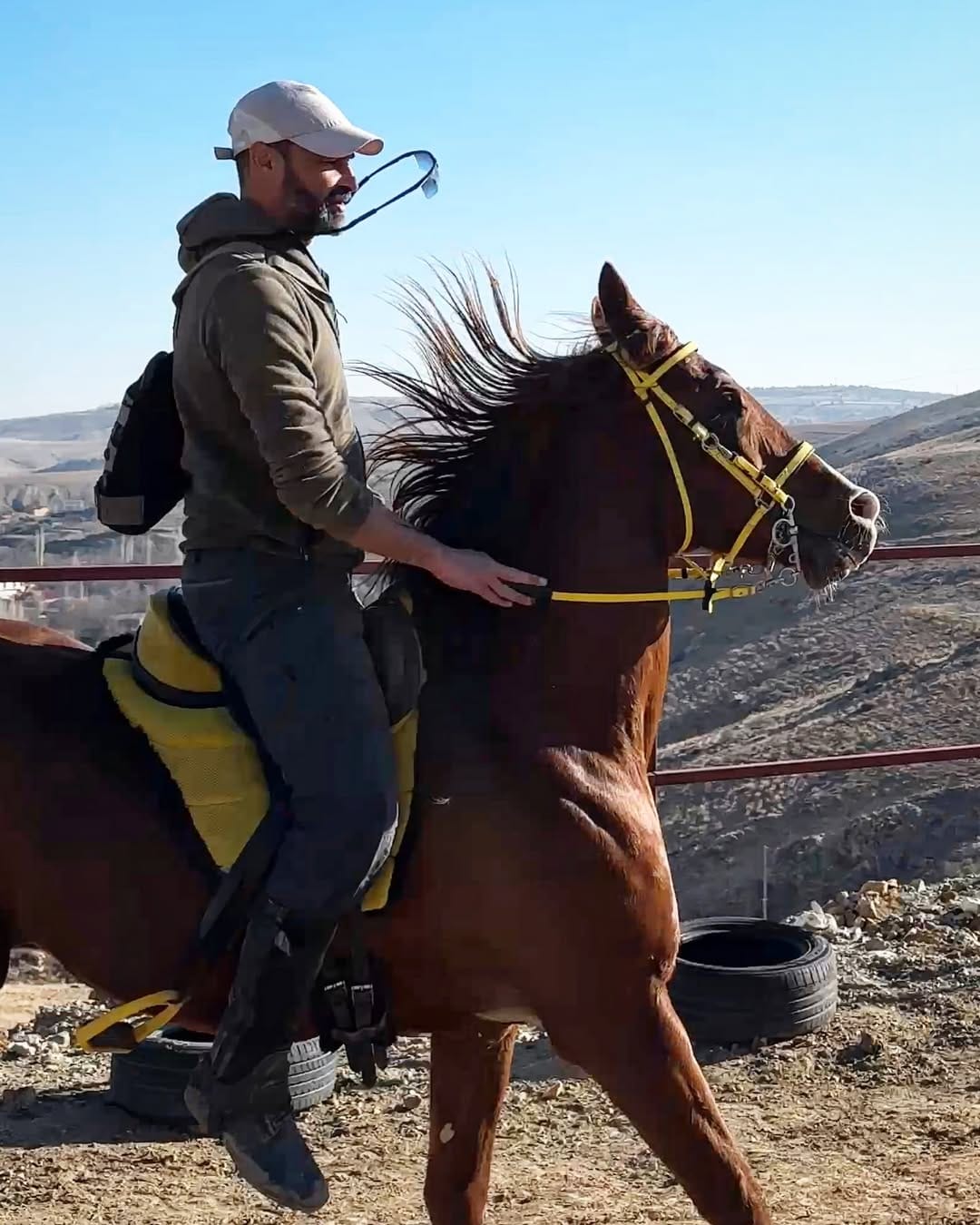
That careful process paid off; K and I spent years growing together, and she taught me more about riding than any instructor ever could.Years later, when I decided to buy my second horse, a spirited gelding named Maverick, my approach had evolved.
I was more confident in my skills and wanted a horse with some fire to challenge me. I scoured online listings, visited multiple farms, and rode at least six horses before choosing him.
Maverick’s energy was undeniable, but I made sure to match it with my own abilities—I spent a full day with him, watching how he handled different situations, from trail rides to arena work. I also brought along a trusted trainer to weigh in.
It wasn’t love at first sight like with K, but it was a calculated choice that turned into a rewarding partnership.For me, buying a horse is about balancing heart and head.
I’ve learned to trust my instincts but back them up with research—asking about temperament, health, and training history, and always taking time to build that initial bond. Each horse I’ve bought has been a journey, and that structured yet personal approach has never let me down.
The following steps will help you choose and buy your first horse!
1. Determine Your Purpose
Before you start looking for a horse, ask yourself:
- What will I use the horse for? (e.g., trail riding, jumping, dressage, ranch work, racing, breeding, etc.)
- What is my experience level? Beginners should look for calm, well-trained horses, while experienced riders may seek more spirited or specialized mounts.
- How much time can I dedicate to care and training?
Your purpose will guide your search and help narrow down options.
2. Choose the Right Age
The age of the horse plays a critical role in its temperament, trainability, and longevity with you. Here’s a breakdown:
Young Horses (Under 5 Years Old)
- Pros: Typically have longer working lives ahead of them; often cheaper upfront.
- Cons: Require extensive training and patience. They may be unpredictable as they mature physically and mentally.
Mature Horses (5–12 Years Old)
- Pros: Most mature horses are fully trained, reliable, and at their peak performance years. Ideal for most riders.
- Cons: May cost more due to their proven abilities and experience.
Older Horses (13+ Years Old)
- Pros: Often calmer and easier to handle. Great for beginners or those seeking companionship rather than competition.
- Cons: Potential health issues or reduced stamina. Ensure the horse has regular veterinary check-ups before purchase.
For most buyers, a horse between 6–10 years old strikes a good balance between maturity, training, and remaining useful life.
3. Key Factors to Consider When Choosing a Horse
When evaluating horses, focus on these aspects:
Temperament
- Look for a horse with a personality that suits your goals and comfort level. For example:
- Calm and steady horses are ideal for beginners or leisure riding.
- Spirited and energetic horses suit advanced riders who want a challenge.
Conformation
- Assess the horse’s physical structure. Poor conformation can lead to soundness issues over time.
- Check for straight legs, balanced proportions, strong back, and overall symmetry.
Health and Soundness
- Have a veterinarian perform a pre-purchase exam to identify any underlying health problems.
- Inspect hooves, joints, teeth, eyes, skin, and coat condition.
- Watch the horse move at walk, trot, and canter to detect lameness or irregularities.
Training Level
- Match the horse’s training to your skill level. A green (untrained) horse might not be suitable for a novice rider.
Size and Build
- Ensure the horse’s size matches your height and weight. Larger riders need bigger horses to avoid strain on the animal.
Gender
- Mares, geldings, and stallions each have unique traits:
- Mares: Can be moody during estrus cycles but are often affectionate.
- Geldings: Generally calmer and more consistent.
- Stallions: Highly energetic and require experienced handling.
4. Gather Information from the Previous Owner/Breeder
To make an informed decision, gather detailed information about the horse’s history. Ask the following questions:
Medical History
- Has the horse had any injuries, illnesses, or surgeries?
- Is the horse up-to-date on vaccinations, deworming, and dental care?
- Does the horse have any ongoing medical conditions?
Behavioral Traits
- Is the horse easy to catch, groom, saddle, and bridle?
- How does the horse behave around other animals and people?
- Are there any known quirks or bad habits (e.g., spooking, biting, kicking)?
Training Background
- What disciplines has the horse been trained in?
- Who trained the horse, and what methods were used?
- Has the horse competed or participated in shows/events? If so, what were the results?
Living Conditions
- Where has the horse lived previously (pasture, stall, etc.)?
- What type of feed and supplements does the horse currently receive?
- Does the horse get along with other horses?
Ownership History
- Why is the owner selling the horse?
- How long has the current owner had the horse?
- Can you contact previous owners or trainers for additional insights?
Breeding Details (if applicable)
- What is the horse’s pedigree? Are there notable ancestors?
- Was the horse bred for specific purposes (e.g., sport, pleasure, draft work)?
- If buying a mare for breeding, ask about fertility, foaling history, and genetic testing.
5. Steps to Take Before Finalizing the Purchase
- Trial Ride: Spend time riding the horse under various conditions (e.g., alone, with others, on trails).
- Vet Check: Always invest in a thorough pre-purchase veterinary examination.
- Negotiate Price: Be prepared to negotiate based on the horse’s age, training, and health.
- Paperwork: Verify registration papers (if applicable), transfer ownership documents, and ensure all legal requirements are met.
- Transportation: Arrange safe transportation to your facility if needed.
6. After Bringing the Horse Home
Once you’ve purchased the horse:
- Allow time for adjustment to its new environment.
- Continue regular vet and farrier visits.
- Gradually introduce the horse to your routine and build trust through consistent care.
By carefully considering all these factors, you’ll increase your chances of finding a horse that meets your needs and forms a lasting partnership.