
How Digital Diagnostics Are Transforming Modern Healthcare Workflows

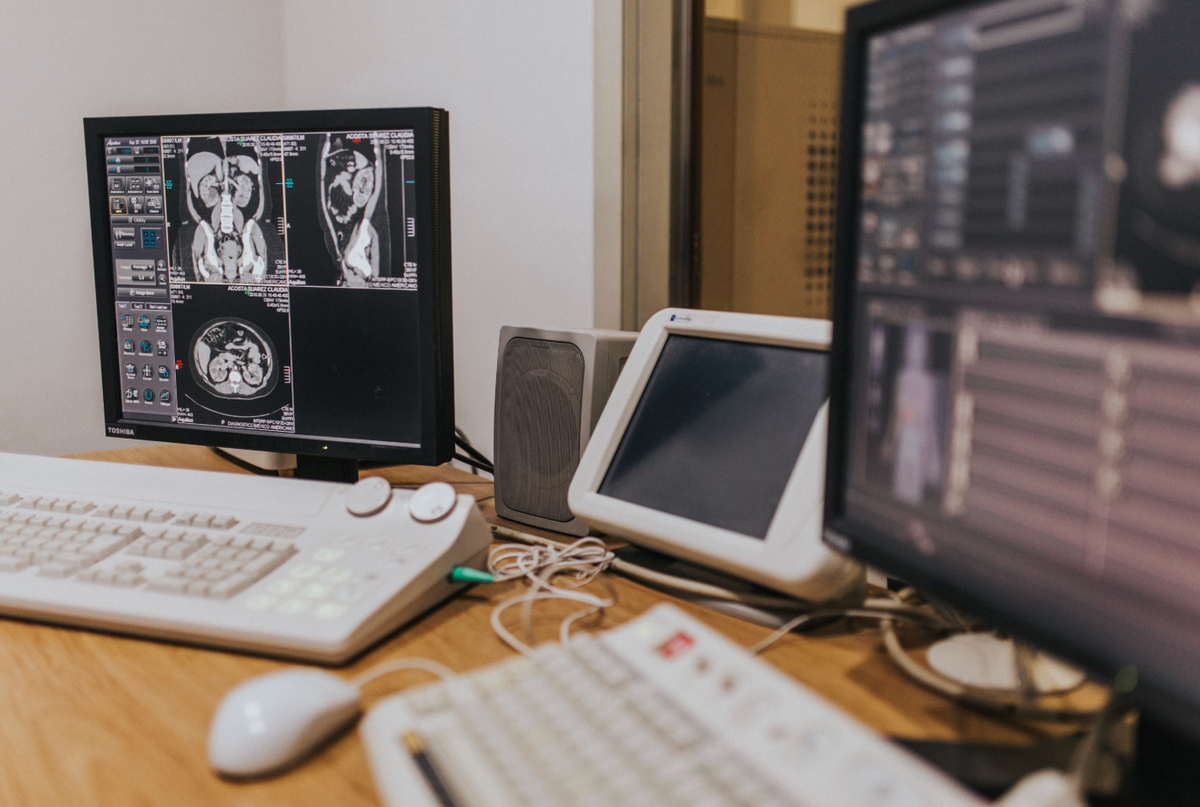
Every minute matters when diagnosing a medical condition. Delays can affect treatment decisions, patient outcomes, and the overall efficiency of healthcare delivery. Digital diagnostics are helping clinicians access accurate information faster while reducing unnecessary delays across the care journey.
From AI-assisted imaging to connected diagnostic devices, these technologies are improving how conditions are detected, monitored, and managed. They also simplify collaboration by making critical health data more accessible across care teams.
As healthcare systems face growing patient demands, digital diagnostics are becoming an essential part of modern clinical workflows. Their impact extends beyond technology to support faster, smarter, and more coordinated patient care.
In this article, we’ll explore how digital diagnostics improve healthcare workflows, enhance diagnostic accuracy, and support better patient outcomes.
Accelerating Clinical Decisions With Digital Diagnostics
Digital diagnostics provide clinicians with faster access to accurate patient data, reducing delays in diagnosis and treatment. Advanced technologies analyze medical data in real time, enabling faster, more accurate, and timely clinical decision-making for providers. This enables healthcare teams to respond more efficiently while improving care quality and patient outcomes.
Faster clinical decisions depend on timely access to accurate diagnostic information. The National Institutes of Health published that artificial intelligence is accelerating clinical imaging workflows and supporting more efficient decision-making. A systematic review of 48 real-world studies found that 67% reported reduced task completion times following AI implementation.
Expanding Point-of-Care Testing Beyond Traditional Healthcare Settings
Modern medicine now extends far beyond hospitals. Portable diagnostic technologies enable rapid testing in pharmacies, workplaces, rural clinics, and community health programs. Miniaturized biosensors and microfluidics support accurate on-site diagnostics. This reduces sample transport delays and delivers reliable results where patients receive care.
Occupational health stands out as a prime example of this shift. Safety-sensitive industries increasingly use point-of-care testing to maintain workplace safety without disrupting operations. For instance, oral drug test kits have become a staple for efficient on-site screening. Unlike urine testing, mouth swab devices enable quick, non-invasive sample collection under direct observation anywhere.
According to DrugTestsInBulk.com, oral drug test kits detect drugs through saliva, providing a fast, non-invasive screening method. These kits are widely used in workplace testing, staffing, occupational health clinics, and rehabilitation monitoring programs.
Connecting Diagnostic Data Across Healthcare Systems
Connecting diagnostic data across healthcare systems enables clinicians to access accurate patient information whenever and wherever it is needed. Integrated platforms securely share diagnostic data across hospitals, clinics, specialists, and primary care providers.
Sharing diagnostic data reduces repeat testing, improves care coordination, and helps healthcare teams make faster, better decisions for patient care. Interoperability also supports continuity of care by ensuring that updated patient records remain available throughout the treatment journey.
As more healthcare organizations adopt connected digital infrastructure, diagnostic information moves more efficiently across systems. It improves daily work, supports teamwork, and helps deliver better care and patient outcomes.
Enhancing Accuracy Through AI and Decision Support
AI and decision support tools are helping clinicians improve diagnostic accuracy by analyzing complex data patterns more quickly than traditional methods. These systems can flag potential risks, highlight anomalies, and reduce the chance of oversight during busy workflows. By supporting evidence-based decisions, they strengthen confidence in clinical judgments and patient care.
Yaw Fellin, Senior Vice President and General Manager of Wolters Kluwer Health, said healthcare organizations are rapidly adopting generative AI. He noted that 63% of healthcare professionals report their organizations are prepared for GenAI adoption. Increasingly, AI is also supporting clinical decision-making through patient triage and guideline-based treatment recommendations.
Improving Patient Engagement Through Digital Testing
Digital testing makes healthcare more accessible by providing faster results and greater convenience for patients. Easy access to diagnostic information encourages individuals to participate more actively in their care. Better communication and timely updates strengthen patient engagement while supporting informed health decisions and improved treatment adherence.
Easy access to diagnostic information encourages patients to become more involved in their healthcare decisions. JMIR Publications reported that 70% of patients viewed test results through patient portals in 2024. Additionally, 58% accessed results before hearing from healthcare providers. As a result, timely digital access to test results empowers patients to participate more actively in their healthcare decisions.
Addressing Security, Compliance, and Implementation Challenges
As digital diagnostics grow more connected and data-driven, healthcare groups must handle security, rules, and setup challenges with care. Protecting patient data needs strong cybersecurity, encrypted systems, and strict access controls to prevent unauthorized access and breaches. Following healthcare rules is vital as diagnostic tools collect, store, and share patient data across different platforms securely.
Protecting sensitive patient data remains a critical part of implementing digital diagnostics securely. The IBM Cost of a Data Breach Report 2025 states that the average healthcare data breach cost reached $7.42 million. It marked the industry's highest average breach cost for the 14th consecutive year. Strong cybersecurity and compliance are essential for secure healthcare systems and patient protection.
Frequently Asked Questions
Which healthcare specialties benefit the most from digital diagnostics?
Specialties such as radiology, cardiology, pathology, emergency medicine, and primary care benefit significantly from digital diagnostics. These tools support faster detection, improved accuracy, and better monitoring of complex conditions. They help clinicians make better decisions through real-time access to accurate patient data.
How do digital diagnostics improve collaboration between healthcare teams?
Digital diagnostic systems improve collaboration by allowing healthcare teams to securely share patient information, test results, and clinical insights. This creates better communication between specialists and providers. As a result, teams can coordinate care more efficiently and make faster, evidence-based decisions.
Can digital diagnostic systems function effectively in low-resource or rural healthcare settings?
Digital diagnostic systems can support rural and low-resource healthcare settings by enabling remote testing, telehealth connections, and quicker access to expert guidance. Portable diagnostic devices reduce dependence on large facilities. However, reliable internet, training, and infrastructure remain important for successful implementation.
Statistics Highlighting the Impact of Digital Diagnostics
The Future of Healthcare Through Smarter Digital Diagnostics
Digital diagnostics are reshaping healthcare workflows by improving speed, accuracy, and accessibility across different care settings. These technologies help clinicians make faster decisions, strengthen collaboration, and provide more personalized patient support. Healthcare systems are increasingly adopting connected diagnostic solutions.
Ensuring strong security and seamless integration will remain essential for successful implementation and long-term effectiveness. Combining advanced tools with effective implementation strategies can create more efficient and reliable care models. Ultimately, digital diagnostics are becoming a key driver of smarter, patient-focused healthcare delivery.