
How Ignoring Delayed Concussion Symptoms Can Be Dangerous

Ignoring delayed concussion symptoms can lead to serious, long-term brain injury that worsens the longer it goes untreated. Symptoms that appear hours or even days after a head injury are just as medically significant as those that show up immediately.
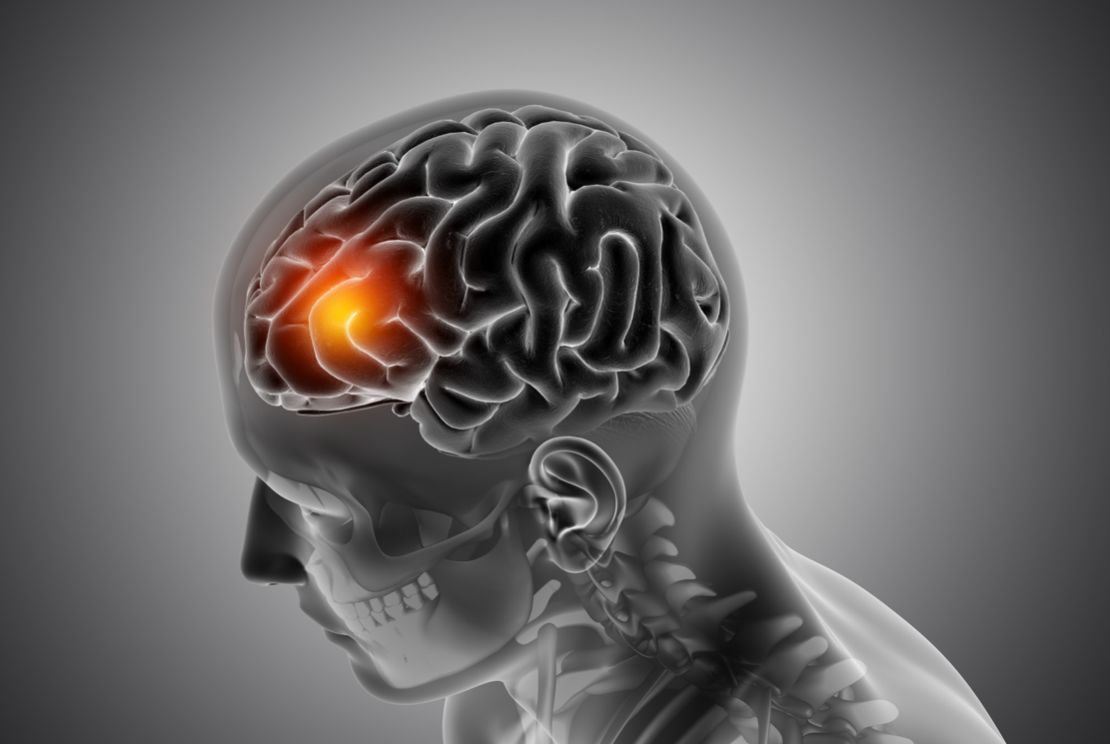
Many people walk away from an accident feeling fine, only to notice changes in the following hours or days. Recognizing a delayed concussion for what it is, rather than dismissing it as fatigue or stress, can be the difference between a full recovery and lasting neurological damage.
Delayed symptoms that go unreported also complicate medical treatment, insurance claims, and any legal action that follows an injury.
Why Concussion Symptoms Are Often Delayed
The brain does not always show signs of injury right away. After a traumatic impact, neurological and chemical changes can take time to develop into noticeable symptoms.
This delay happens because the brain undergoes a process called neurometabolic dysfunction following trauma. Inflammation, reduced blood flow, and disrupted neural signaling can all build gradually, which is why a person may feel normal for hours before symptoms surface.
Common Delayed Symptoms to Watch For
Delayed concussion symptoms vary from person to person, but several patterns appear consistently in medical literature. Recognizing these early gives patients and providers a better chance at effective treatment.
Symptoms that may appear hours or days after a head injury include:
- Persistent headaches or pressure behind the eyes
- Difficulty concentrating or memory lapses
- Unusual irritability or mood changes
- Sleep disturbances, including sleeping too much or too little
- Sensitivity to light or noise
- Nausea without an obvious cause
- Feeling mentally foggy or slowed down
These symptoms are often mistaken for stress, poor sleep, or general fatigue, which is exactly why so many delayed concussions go undiagnosed.
The Real Dangers of Waiting Too Long
Delaying treatment after a concussion is not a minor oversight. It creates medical, legal, and personal consequences that compound over time.
Medical Risks of Untreated Delayed Concussions
The most serious medical risk of ignoring delayed symptoms is second impact syndrome. This occurs when a person sustains another head injury before the first concussion has fully healed, and it can cause rapid, life-threatening brain swelling.
Beyond second impact syndrome, untreated concussions are linked to:
- Post-concussion syndrome, where symptoms persist for weeks or months
- Increased risk of anxiety and depression
- Long-term cognitive decline with repeated unaddressed injuries
- Sleep disorders that interfere with the brain's natural healing process
Early medical evaluation gives doctors the opportunity to monitor brain activity and restrict physical activity before further damage occurs.
Legal and Insurance Consequences
Waiting to seek medical care after a head injury does not just affect health outcomes. It can seriously weaken a personal injury claim if the injury was caused by someone else's negligence.
Insurance adjusters and defense attorneys often argue that a gap between the accident and medical treatment means the injury was not serious or was caused by something else. Documenting symptoms early, even before a formal diagnosis, creates a medical record that ties the injury directly to the incident.
What Happens When Symptoms Are Dismissed
Some people downplay symptoms because they do not want to miss work, appear weak, or create concern for family members. Others simply do not connect a headache two days later to a fall or collision earlier in the week.
This pattern of dismissal is one of the most preventable causes of long-term concussion damage. The brain needs rest, monitoring, and sometimes clinical intervention to recover properly from even a mild traumatic brain injury.
Steps to Take If You Suspect a Delayed Concussion
- Seek medical evaluation immediately, even if initial post-injury assessments came back normal.
- Document every symptom with dates and times as soon as they appear.
- Avoid physical exertion, screens, and activities that strain the brain during recovery.
- Inform your doctor about the exact incident that caused the potential injury.
- Follow all return-to-activity guidelines provided by your treating physician.
- Preserve records of the accident, including photos, witness information, and any incident reports.
Key Takeaways
- Delayed concussion symptoms can appear hours or days after a head injury and are medically serious.
- Neurometabolic changes in the brain explain why symptoms do not always surface immediately.
- Second impact syndrome is a life-threatening risk when a concussion goes unrecognized and untreated.
- Common delayed symptoms include headaches, mood changes, memory issues, and light sensitivity.
- Gaps in medical treatment can undermine personal injury claims tied to the incident.
- Documenting symptoms Early strengthening of both medical outcomes and legal records.
- Prompt evaluation is the most effective way to prevent long-term neurological damage.