The Hidden Trap: Why Tech Workers with ADHD Are Falling for Apps That Steal Their Focus


December 23, 2025 Written by Dr. Hamza Mousa
Opinion: If you work in tech, you probably know the statistics. ADHD is rampant in our industry. Some call it a superpower, the ability to hyperfocus for hours on a complex coding problem or debug a system when everyone else has given up.
But there is a darker side to this "superpower" that we aren't talking about enough.
While we are busy building the future, the tools we use to build it, and the apps we use to escape it, are quietly dismantling our ability to function.
We are living in an ecosystem designed to exploit the very neurodivergence that makes many of us good at our jobs.
What is Neurodivergence?
Neurodivergence means your brain works differently, not broken, just unique. It’s like having a different operating system: some brains thrive on patterns, others on chaos. ADHD, autism, dyslexia, these aren’t flaws.
They’re variations in how we think, feel, and focus. Neurodivergent minds often see the world in richer, sharper colors.
The problem? Most systems were built for one “normal” way of thinking. That’s why we need spaces that don’t demand conformity. Your brain isn’t wrong. It’s just wired for something else, and that’s powerful.
 Hazem Abbas
Again,
That productivity app you swear by? It might be the reason you are burnt out.
That mobile game you play to "unwind"? It is likely hijacking your dopamine receptors in a way that makes your actual work feel physically painful.
And thanks to a complete lack of ethical standards in app design, the digital landscape has become a minefield for the ADHD brain.
Here is why you need to be terrified of your screen time, and why the apps you trust are likely your worst enemy.
The Science: Why Your Brain is the Target
Before we blame ourselves for being "lazy" or "undisciplined," let's look at the biology and the psychology!
ADHD is not just about being hyperactive; it is fundamentally a disorder of the dopamine system.
Research shows that ADHD brains often have a lower baseline of dopamine, which makes them crave stimulation more intensely than neurotypical brains.
Big Tech knows this. They design apps using "variable reward schedules", the same psychological mechanic used in slot machines. When you pull to refresh or check a notification, you might get something interesting (a reward), or you might not. This uncertainty triggers a massive dopamine spike.
For an ADHD brain, which is already starving for dopamine, this isn't just fun; it is chemical dependency.
 Hazem Abbas
Studies have shown that excessive screen time and social media use can increase symptoms of inattention and impulsivity by up to 30%.
We are not just using these apps; we are letting them rewire our neural pathways to be even more distracted.
Here are the specific traps you are falling into every single day:
App Design without standard!
There is no universal standard for how an app should behave, and for the ADHD brain, this inconsistency is torture.
One app uses a swipe to archive; another uses a swipe to delete. One interface places the "Close" button on the left; another hides it in a submenu.
This forces your brain to constantly re-learn basic interactions, increasing what researchers call "extraneous cognitive load".
When your working memory is already fragile, these micro-frictions accumulate. You aren't just tired because you worked hard; you are tired because your brain spent half its energy fighting the interface.
 Hazem Abbas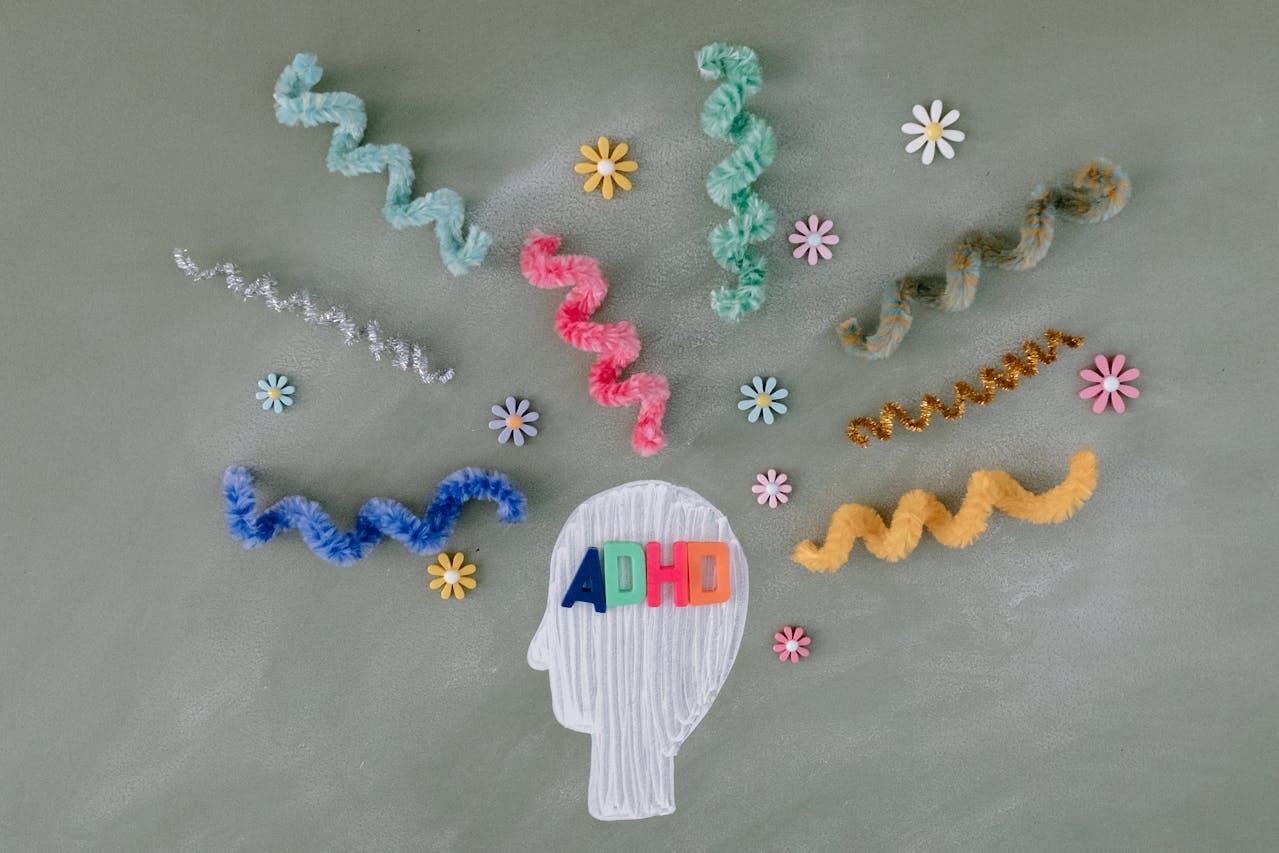
Boring Apps such as Jira!
This sounds like a trivial complaint, but for ADHD, boredom is physically painful. If an enterprise tool is ugly, slow, or bureaucratic, the ADHD brain will do anything to avoid it.
This isn't a discipline issue; it is a neurological refusal to engage with low-stimulation environments.
The result? You procrastinate on that expense report or Jira ticket until the last possible second, creating unnecessary adrenaline just to force your brain into gear.
Yes, Most of the Task Management and Project management systems are boring.
Workflow that does not work for ADHD
The modern "workflow" is a myth. What we actually have is "Work-Interrupted." You are coding in one window, Slack is pinging in another, and a calendar notification just popped up.
For a neurotypical person, this is annoying. For someone with ADHD, this is a disaster.
Every interruption wipes your "working memory slate" clean. It can take up to 20 minutes to get back into the flow. We are trapped in a cycle of constant context switching that leaves us feeling busy but achieving nothing.
 Hazem Abbas
Dopamine Exhaustion and What does this mean for ADHD?
Have you ever spent three hours scrolling TikTok or playing a game, only to turn it off and feel completely empty?
That is dopamine exhaustion (or "downregulation").
You have flooded your receptors so hard that they have become desensitized. Now, normal tasks like cooking dinner or writing an email feel impossibly dull because they can't compete with the chemical high you just came down from.
You aren't tired; you are in withdrawal.
Bad User Experience Apps (Dark Patterns)
Some apps aren't just badly designed; they are malicious. "Dark Patterns" are design choices specifically created to trick you.
Things like the "Roach Motel" (easy to sign up, impossible to cancel) or "Bait and Switch" buttons exploit your impulsivity.
ADHD users are particularly vulnerable to these tricks because we often scan rather than read deeply. We click "Agree" because our brains are rushing to the next source of stimulation, only to realize we just signed up for a $100 subscription.
 Hazem Abbas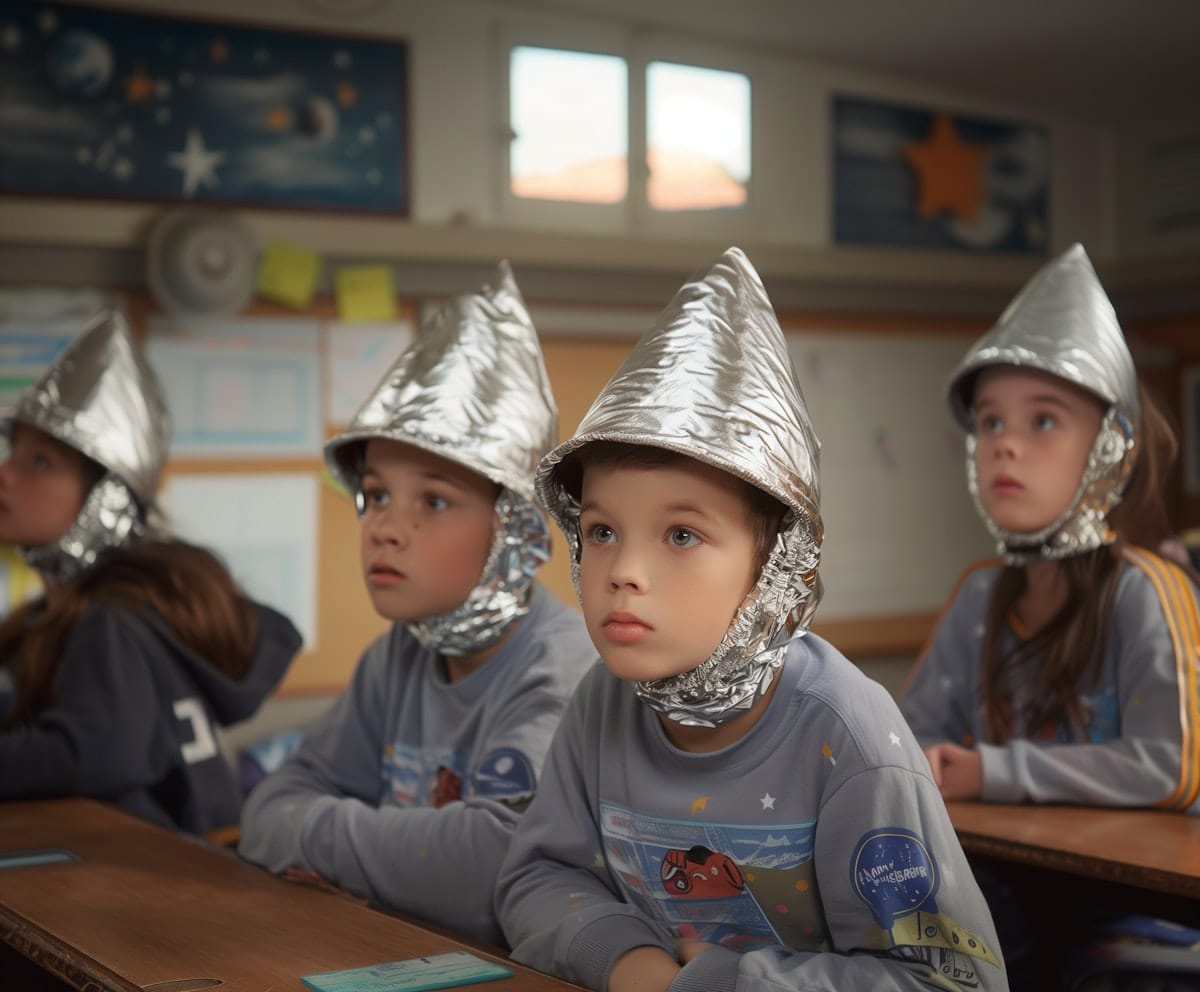
Mobile Apps The Real ADHD Trap!
The smartphone is the ultimate delivery mechanism for distraction.
Unlike a desktop, which is a tool, the mobile phone is a "skinner box" carried in your pocket. The constant barrage of colors, red badges, and push notifications creates a state of hyper-vigilance.
You are never truly "off" work because the device you use to relax is the same one that demands your attention.
For a person with ADHD, apps are rarely "neutral." They are either prosthetics for Executive Function (helping you plan, remember, and sort) or predators of Dopamine (hijacking your reward system).
Here is a breakdown of the design philosophies of these four apps and how they specifically interact with the ADHD brain.
Apps examples with ADHD
1. Pinterest: (Design Philosophy: "Visual Discovery & Hoarding")
Pinterest is built on the concept of infinite collecting without physical clutter. It relies on a "masonry" grid layout (staggered images) which is visually stimulating and encourages endless scrolling.
- The Trap (Dopamine Mining): The infinite scroll of highly aesthetic images triggers a "seeking" loop. For an ADHD brain, the act of pinning releases dopamine because it feels like you have "accomplished" the task of organizing, even if you never look at the pin again. It mimics productivity without the follow-through.
- The Utility (Visual Working Memory): ADHD brains often struggle with "object permanence" (if I can't see it, it doesn't exist). Pinterest is excellent for externalizing ideas. Instead of holding a renovation plan in your fragile working memory, you can see it on a board.
- Verdict: Good for "Starting," Bad for "Finishing." Use it to brainstorm and dump ideas out of your brain so you don't lose them. Avoid using it when you actually need to execute a task, as you will get stuck in the "planning" phase forever.
2. Reddit: (Niche Community & Information Density)
Reddit is text-heavy and organized by topic (Subreddits) rather than by person. It allows for deep-diving into specific hyperfixations.
- The Trap (Rabbit Holes): Reddit is the ultimate engine for hyperfocus. The nested comment threads allow you to follow a conversation indefinitely. For people with ADHD, the danger is "time blindness". You might open it to check one answer and lose 3 hours reading about 14th-century sword forging.
- The Utility (Body Doubling & Hive Mind): It is arguably the best place for ADHD support. Subreddits like r/ADHD act as a "hive mind," offering validation that you aren't lazy or broken. The upvote system filters information quickly, which helps the ADHD brain skip "fluff" and get to the point.
- Verdict: Good for Research & Support. It is excellent for finding quick answers or community support. It is dangerous if used during work hours because the content is infinite and intellectually stimulating (which makes it harder to break away from than "mindless" content).
3. Instagram (Curated Perfection & Reel Loops)
Instagram focuses on high-polish visuals and short-form video (Reels). The interface is designed to hide the clock and status bar (in full screen), immersing you completely.
- The Trap (The Comparison Despair): ADHD involves emotional dysregulation. Seeing a curated feed of everyone else’s "perfect" lives can trigger Rejection Sensitive Dysphoria (RSD), making you feel like you are failing at life.
- The Trap (Short-Form Dopamine): Reels & Stories are lethal for ADHD. They are short (low attention cost) and variable (you never know what's next). This creates a "Skinner Box" effect, conditioning your brain to keep swiping for the next hit of entertainment, often leading to "doom scrolling" paralysis.
- Verdict: High Risk. It offers very little utility for organization or productivity. It is primarily a dopamine extraction machine that can worsen mood and focus. If you must use it, curate your feed to show only art, hobbies, or close friends, and aggressively mute "influencer" content.
 Hazem Abbas
4. Gmail (The Inbox as a To-Do List)
Gmail uses a list-based linear view, often cluttered with promotional noise unless heavily filtered.
- The Trap (Object Permanence): The "Out of Sight, Out of Mind" problem is severe here. Features like "Tabs" (Promotions/Social) hide emails. For ADHD, if an email isn't on the screen, it doesn't exist. You will likely forget to check those tabs for months.
- The Utility (Search over Sort): ADHD brains rarely stick to complex folder systems. Gmail’s search power is a savior because you don't need to organize; you just need to remember one keyword to find what you need.
- Verdict: Necessary Evil. To make it ADHD-friendly, turn off the tabs. Force everything into one "Primary" inbox so you can't ignore it. Use "Archive" liberally to hide things you are done with, keeping the inbox only for "active" tasks (Visual clutter = Mental clutter).
Summary Table
| App | Best Use Case | Biggest Danger |
|---|---|---|
| Visualizing Projects. Externalizing ideas so you don't have to hold them in your head. | False Productivity. Feeling like you did the work just because you pinned it. | |
| Troubleshooting. Finding specific answers and community validation. | Time Blindness. Losing hours to deep-dive research rabbit holes. | |
| Inspiration (rarely). Checking up on close friends. | Dopamine Burnout. Short-form video loops that drain executive function. | |
| Gmail | Search Retrieval. Finding old info without needing a filing system. | Hidden Clutter. "Tabs" that hide emails lead to forgetting them entirely. |
 Hazem Abbas
Trapped in a loop!
This is the end state.
You open your phone to check the weather. You see a notification. You click it. You scroll Instagram for 20 minutes. You switch to Reddit. You check your email.
You lock your phone.
Five seconds later, you unlock it again.
You have forgotten why you picked it up in the first place.
You are trapped in a dopamine loop, seeking a reward that never actually satisfies you.
So, what do we do?
We can't just "try harder." We need to treat our digital environment with the same caution we treat our diet.
Delete the apps that trap you. Use blockers. Switch to "boring" tech that doesn't scream for your attention.
And maybe, just maybe, it’s time to stop letting Silicon Valley hack your dopamine receptors and take your brain back.