Why Pentesting Is Important for Healthcare Services?


For Hospital Executives, Healthcare Leaders, and IT Decision-Makers
In today’s hyper-connected healthcare landscape, your hospital isn’t just treating patients, it’s managing vast digital ecosystems. From electronic health records (EHRs) to telemedicine platforms and insurance claim portals, every system is a potential doorway for cybercriminals.
If you’re wondering whether your organization truly needs penetration testing (pen testing), consider this: a single breach can cost millions, erode patient trust, and even endanger lives.
Below are 10 compelling, real-world reasons why proactive pen testing isn’t optional, it’s essential for compliance, security, and survival in modern healthcare.
1. HIPAA & GDPR Compliance Isn’t Just Paperwork, It’s a Security Mandate
Healthcare organizations in the U.S. must comply with the Health Insurance Portability and Accountability Act (HIPAA), while those serving EU patients fall under the General Data Protection Regulation (GDPR).
Both frameworks demand “reasonable and appropriate” technical safeguards to protect patient data. But here’s the catch: compliance ≠ security.
However, it is important to note that, many hospitals pass audits yet remain vulnerable to sophisticated attacks. Penetration testing validates your actual security posture, not just your policy documents. Without it, you risk massive fines (up to $1.5 million per HIPAA violation or 4% of global revenue under GDPR) and reputational ruin.
Ask yourself: If a hacker breached our EHR system tomorrow, would we even know how they got in?
Regular Security testing answers that before criminals do.
 Hazem Abbas
 Hazem Abbas
2. Patient Privacy Is Sacred, And Cybercriminals Know It
Medical records are 10–50x more valuable on the dark web than credit card numbers. Why? Because they contain immutable identifiers, Social Security numbers, birth dates, diagnoses, that can’t be “canceled” like a credit card. A single leaked record can fuel identity theft, insurance fraud, or even blackmail.
Pentesting identifies weak points in your web apps, APIs, and databases where sensitive data might be exposed. Imagine a misconfigured SQL database leaking thousands of patient records due to an unpatched injection flaw. Scary?
Absolutely. Preventable? Yes, with regular, ethical hacking that mimics real-world attackers.
 Hazem Abbas
3. Healthcare Ransomware Attacks Can Literally Be Life-or-Death
In 2020, a German hospital hit by ransomware had to divert emergency patients, leading to a patient’s death. This wasn’t just a data breach; it was a clinical emergency.
Cybercriminals increasingly target hospitals because they know lives depend on system availability. Penetration testing simulates these attacks, testing your resilience against encryption-based ransomware, credential theft, and lateral movement tactics.
By uncovering vulnerabilities in legacy systems, unsecured remote desktop protocols (RDP), or poorly segmented networks, pen testing helps ensure your critical care systems stay online when it matters most.
4. Insurance Claims Systems Are Prime Targets for Fraud
Billing and insurance claim platforms process billions in transactions annually, and cybercriminals and dirty hackers love them. A compromised claims system can be manipulated to submit false reimbursements, alter patient eligibility, or siphon funds.
Worse, attackers may use stolen provider credentials to file fraudulent claims at scale. Pen testing your claims infrastructure, especially web forms, API endpoints, and third-party integrations, uncovers logic flaws, broken authentication, or insecure direct object references (IDOR) that enable such fraud.
Remember: a secure claims process protects your revenue and your patients’ financial integrity.
 Dr. Shehab
5. Legacy Systems + Modern Threats = A Dangerous Mismatch
Many hospitals still rely on aging EHRs, imaging systems, or lab equipment that can’t be easily patched or updated. These legacy systems often lack modern security controls yet remain connected to the network, creating “islands of risk.” Penetration testing maps your entire attack surface, identifying where outdated software, default credentials, or unencrypted communications expose your environment.
For example, an unpatched SQL Server from 2012 might still be running behind your radiology department, vulnerable to well-known exploits like EternalBlue.
Testing reveals these hidden risks so you can isolate, monitor, or replace them, before attackers exploit them.
6. Web Applications Are Your Front Door, And Often Your Weakest Link
From patient portals to appointment schedulers and Telehealth platforms, web apps are critical, but notoriously vulnerable. Common flaws like cross-site scripting (XSS), insecure file uploads, or session fixation can let attackers hijack user accounts or steal data.
In one real case, a hospital’s patient portal allowed attackers to view any record by simply changing a URL parameter, a classic IDOR flaw. Pen testing your web applications with both automated scanners and manual ethical hacking uncovers these logic errors that automated tools alone miss.
Your digital front door must be as secure as your physical one.
 Hazem Abbas
7. Denial-of-Service (DoS) Attacks Can Cripple Patient Care
Imagine your emergency department’s triage system going down during a mass casualty event because of a distributed denial-of-service (DDoS) attack. While pen testing doesn’t simulate large-scale DDoS floods (that’s more for red teaming), it does identify application-layer weaknesses that can be exploited for smaller, targeted DoS attacks—like recursive API calls that crash a scheduling service.
Testing also validates your incident response: Can your team detect and mitigate an ongoing attack? For healthcare, uptime isn’t convenience—it’s clinical necessity.
 Hazem Abbas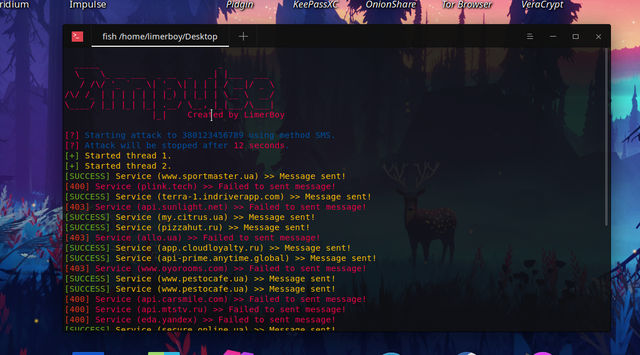
8. Third-Party Vendors Expand Your Risk, Dramatically
Your EHR vendor, billing partner, or cloud telehealth provider may be your biggest security blind spot. A breach at a third party can cascade into your systems, just ask the 100+ healthcare providers impacted by the 2020 Blackbaud ransomware attack.
Penetration testing should include integrations with external services. Are APIs properly authenticated? Are data transfers encrypted end-to-end? Testing these connections ensures your partners aren’t your Achilles’ heel.
9. Free & Open-Source Tools Can Jumpstart Your Security Journey
You don’t need a seven-figure budget to begin. We’ve evaluated dozens of open-source vulnerability scanners that healthcare IT teams can deploy immediately, at zero cost.
Tools like OWASP ZAP (for web app testing), SQLmap (for detecting SQL injection), Nmap (network discovery), and Metasploit (exploitation framework) offer powerful capabilities for identifying common flaws.
While they can’t replace professional pen tests, they’re excellent for continuous monitoring between formal engagements.
Pair them with Nessus Essentials (free for up to 16 IPs) or OpenVAS for infrastructure scanning. The key? Use them proactively, not after a breach. Ask your IT lead: Are we using any of these tools to scan our patient portal weekly?
 Hazem Abbas
 Hazem Abbas
10. Trust Is Your Most Valuable Asset, And It’s Fragile
Patients trust you with their most intimate data. When that trust is broken, by a preventable breach, it’s rarely restored. Penetration testing demonstrates due diligence to patients, regulators, and insurers.
It shows you’re not just checking compliance boxes but actively defending lives and data. In an era where 87% of patients say they’d switch providers after a data breach, security is a competitive advantage.
So ask yourself: Is our cybersecurity strategy reactive, or resilient?
Conclusion: Don’t Wait for a Breach to Act
Healthcare isn’t just another industry, it’s a lifeline. Every untested system is a gamble with patient safety, legal standing, and institutional reputation. Start small: run an open-source scan on your public-facing apps this week. Then schedule a professional penetration test focused on HIPAA-relevant systems.
Your patients are counting on you, not just to heal, but to protect.
Ready to secure your healthcare environment? Explore free vulnerability scanners like OWASP ZAP, Nmap, and SQLmap today—or partner with a certified healthcare pen testing firm for comprehensive coverage.
 Hazem Abbas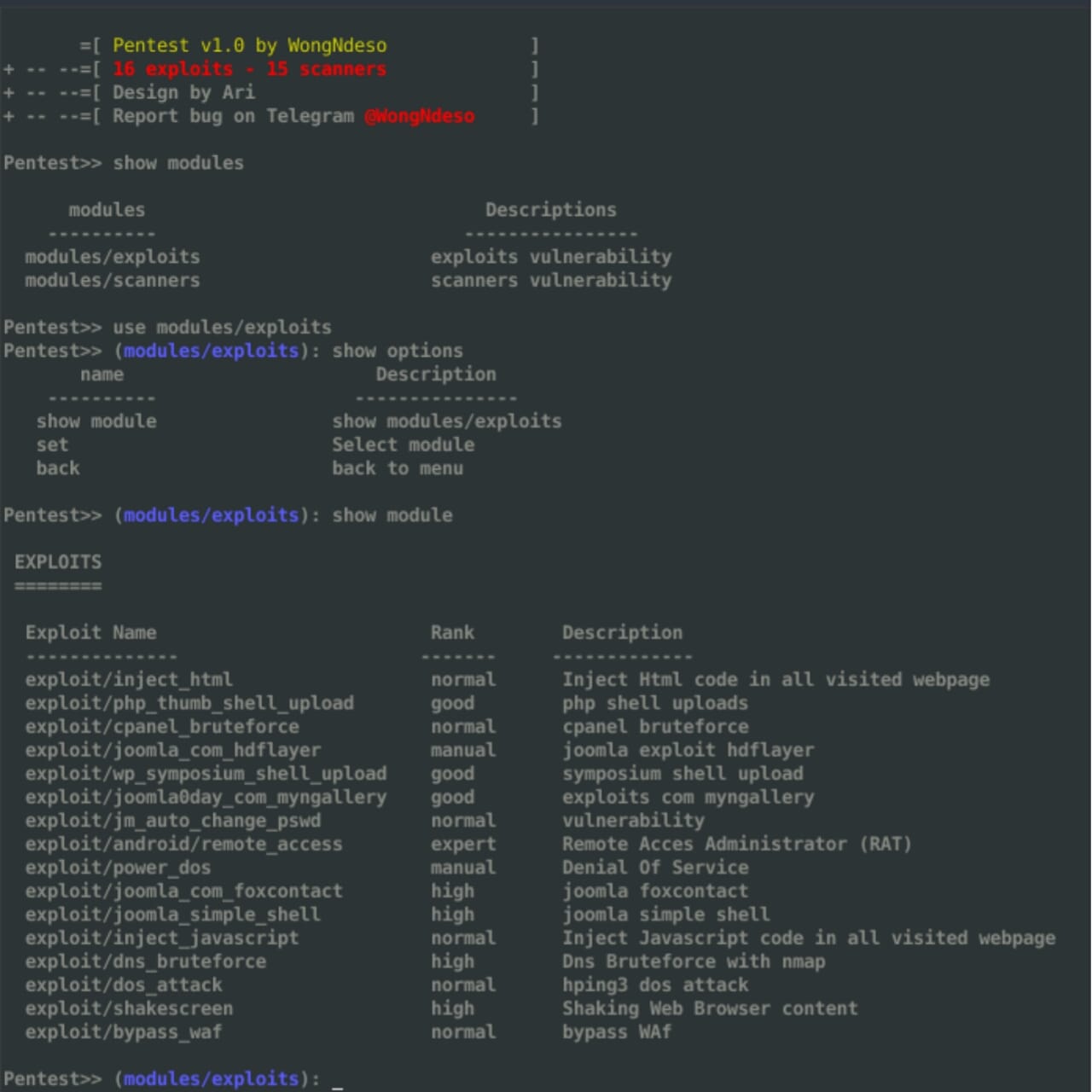
 Hazem Abbas
 Hazem Abbas
 Hazem Abbas
 Hazem Abbas