Can a Free, Open-Source PHR App Change Your Health Journey? (Especially If You’re Managing Diabetes, Hypertension, or Chronic Illness)


By Dr. Hamza Mousa | Medevel.com – Where Open Source Meets Healthcare
What Is a PHR App? And Why Should You Care?
Imagine having all your medical records, lab results, prescriptions, doctor visits, even your blood sugar logs, in one secure, easy-to-access place. No more lost files. No more frantic calls to clinics. Just you, in control.
That’s the power of a Personal Health Record (PHR) app.
Unlike electronic health records (EHRs) locked inside hospitals, PHRs are yours. They let you track, organize, and share your health data, anywhere, anytime. Whether you're managing diabetes, hypertension, epilepsy, or just staying proactive about your wellness, a good PHR app is like a personal health co-pilot.
And at Medevel.com, we believe healthcare should be open, transparent, and free, which is why we’re obsessed with open-source PHR apps that empower individuals and families without the cost or corporate strings.
 Hazem Abbas
Why Are PHR Apps a Game-Changer for People with Chronic Conditions?
Let’s talk real life. If you or a loved one has:
- Diabetes
- Hypertension (High Blood Pressure)
- Epilepsy
- Asthma
- Heart Disease
- Or any other chronic illness
…then a PHR app isn’t just helpful, it’s essential.
 Hazem Abbas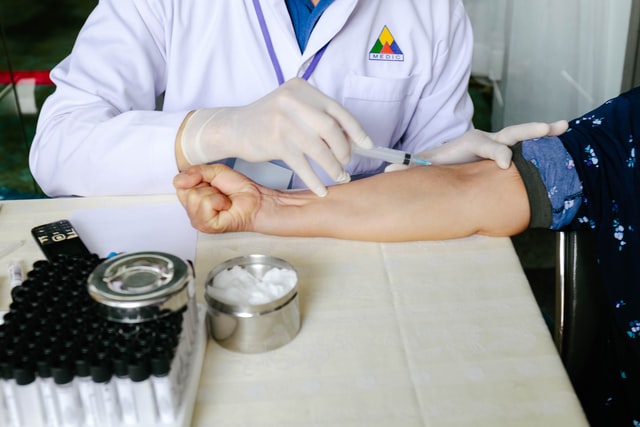
Real Benefits of Using a PHR App:
- Track symptoms & triggers (e.g., blood sugar spikes after certain meals)
- Monitor medication schedules and avoid missed doses
- Visualize trends over time with graphs (great for doctors!)
- Share data instantly with specialists during emergencies
- Reduce hospital readmissions by catching issues early
- Empower patients to become active participants in their care
Pro Tip: For diabetics, syncing your glucose meter data directly into a PHR can help identify patterns and adjust insulin routines faster than ever.
 Hazem Abbas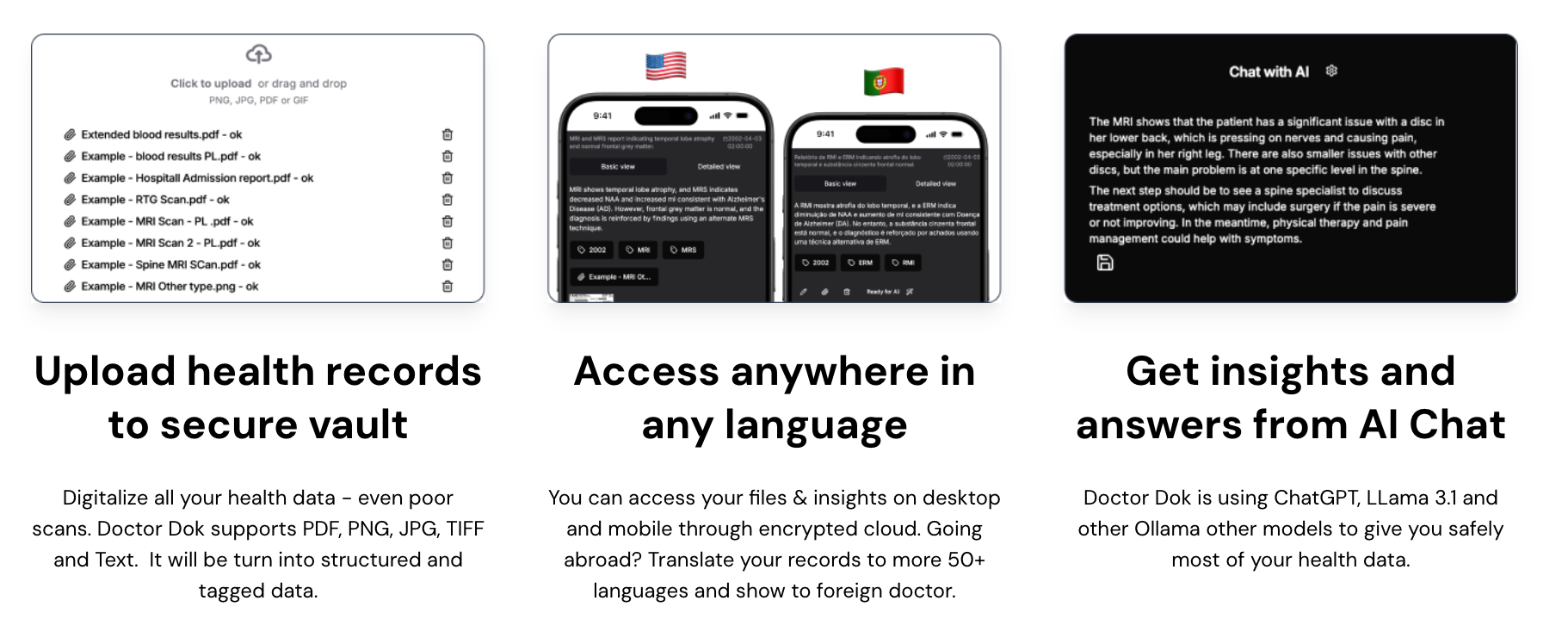
The Big Problem: Most PHR Apps Are Closed, Paid, and Not Truly Yours
Here’s the harsh truth: Most PHR apps on the market are not open-source. They’re proprietary. Locked down. Profit-driven.
You pay monthly fees. Data gets trapped. You can’t export it easily. And if the company shuts down? Poof, your life’s health history vanishes.
This is especially dangerous for people managing diabetes, epilepsy, or hypertension, where long-term tracking saves lives.
At Medevel.com, we’re tired of this. That’s why we champion free, open-source PHR apps, built for transparency, privacy, and user freedom.
 Hazem Abbas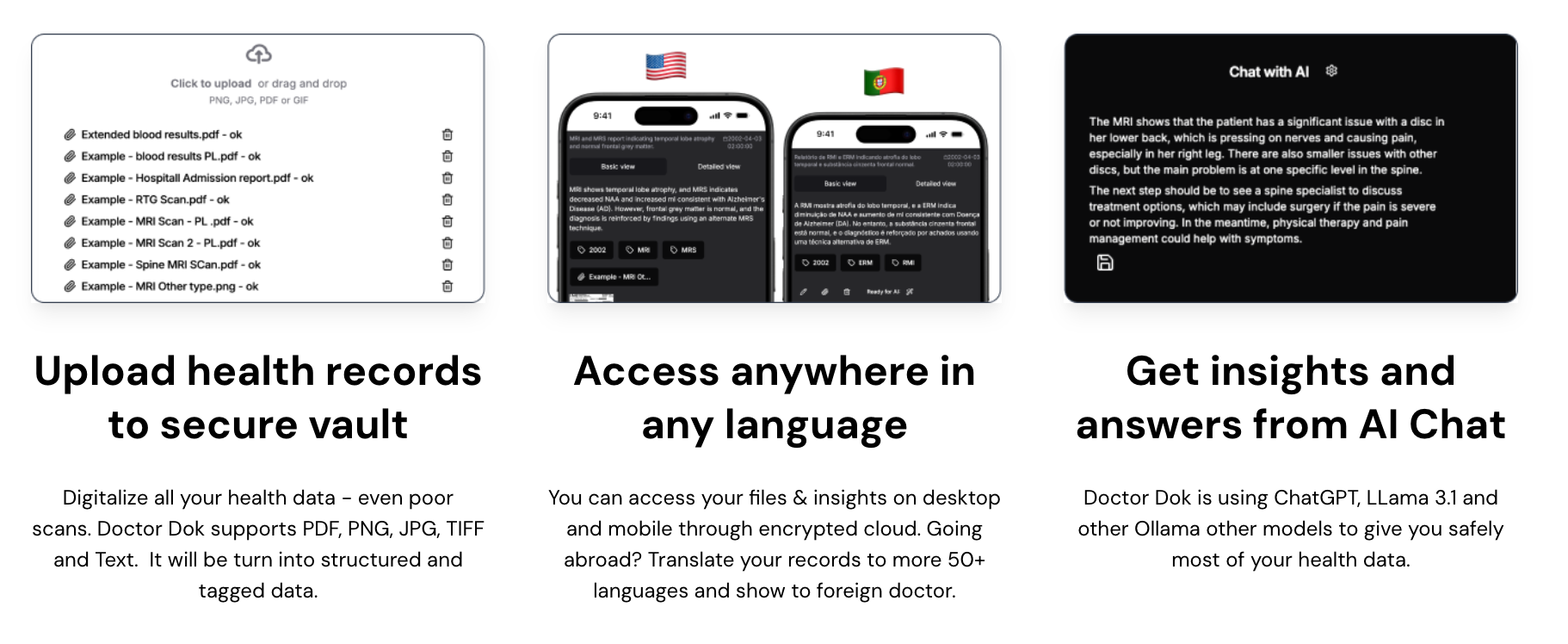
The Dream: Building an AI-Powered, Open-Source PHR App for Everyone
What if you had a smart, open-source PHR app that doesn’t just store data, but understands it?
Our Vision: A future where every person, family, and caregiver can use a free, AI-powered PHR app that learns from your health journey and helps you stay ahead of chronic conditions.
What Would This App Do?
- Use AI to detect early warning signs (e.g., rising blood pressure trends suggesting uncontrolled hypertension)
- Generate personalized health insights (like “Your HbA1c has improved 0.5% over 3 months, keep going!”)
- Sync with wearables, glucometers, EKG devices, and smart scales
- Auto-log entries via voice or photo (snap your meds, and it’s saved!)
- Built with end-to-end encryption and no ads, no tracking
- Fully open-source, so developers worldwide can improve it, audit it, and adapt it
Tools & Integrations We’d Use:
- React Native / Flutter for cross-platform mobile/desktop support. While there are many other options, we prefer these platforms for their community support.
- OpenMRS or FHIR standards for medical data interoperability, It is important to not, these standards are not required in many countries.
- Python + TensorFlow Lite for lightweight on-device AI models
- IPFS or decentralized storage for true data ownership
- GitHub as the public development hub, because code should be shared, not sold.
"It’s not just an app. It’s your digital health legacy." — Medevel.com
Who Needs This? Families, Patients, Caregivers, and Clinicians
Think beyond yourself. Imagine:
- A parent tracking their child’s epilepsy seizures with timestamps, triggers, and medication response.
- A grandparent managing hypertension and diabetes while sharing weekly reports with their daughter (a nurse).
- A caregiver coordinating meds and appointments across multiple doctors and pharmacies.
With a free, open-source PHR, everyone stays in sync, safely, ethically, and without fear of data loss.
Our Call to Action: Let’s Build This Together
We’re not asking for miracles. We’re asking for collaboration.
If you’re a developer, designer, healthcare advocate, or someone living with chronic illness, join us at Medevel.com.
Help build the first truly open, AI-enhanced PHR app — one that puts you, not corporations, in charge.
Here’s How You Can Help:
- Contribute code on GitHub
- Test beta versions
- Share feedback on UX/UI
- Spread the word, because health data should be free, open, and human-first
Powerful Ways PHR Apps can Help Families
As a physician & a developer who’s treated hundreds of patients with chronic conditions, I’ve seen how one missing lab result or a missed medication can spiral into hospitalization. But when people take control of their health data? That’s when healing truly begins.
At Medevel.com, we’re not just building and reviewing apps, we’re building tools that help real families live better, safer lives. Here are 8 powerful use cases of a free, open-source PHR app, especially vital for those managing diabetes, hypertension, epilepsy, asthma, heart disease, autoimmune disorders, mental health conditions, and more.
1. A Parent Tracks Their Child’s Epilepsy Seizures in Real-Time – With AI Alerts
Imagine a mom recording her 7-year-old’s seizures using voice notes, timestamps, and photos. The app auto-tags triggers,
like screen time, sleep deprivation, or certain foods. Then, AI flags patterns: “Seizure frequency increased after late-night gaming.” She shares this report with the neurologist before the next visit.
No guesswork. No emergency trips. Just clarity.
Why it works: Early detection means fewer seizures. Better treatment plans.
2. A Grandparent with Diabetes & Hypertension Shares Weekly Health Reports with Their Nurse Daughter
Mr. Joe, 73, has both type 2 diabetes and stage 2 hypertension. His daughter is a nurse, but she’s miles away. Every Sunday, he uses his PHR app to generate a clean, visual weekly report: blood sugar trends, BP logs, medication adherence, even mood notes. She reviews it instantly via secure link, no PDFs, no paperwork, no confusion.
Why it works: Prevents complications. Reduces unnecessary ER visits. Strengthens family care.
3. A Caregiver Coordinates Medications Across 5 Doctors & 3 Pharmacies
Sarah is caring for her mother with Alzheimer’s, heart failure, and arthritis. She’s juggling 12 prescriptions, different refill schedules, and conflicting advice from cardiologist, neurologist, and endocrinologist. Her PHR app syncs all meds, alerts her about duplicates, and flags potential drug interactions, even shows upcoming refills.
Why it works: Avoids dangerous overdoses. Keeps care organized. Saves hours every week.
4. A Teen with Type 1 Diabetes Uses Glucose Sync + AI Insights to Adjust Insulin
Lena, 16, wears a CGM. Her open-source PHR app pulls data directly from her device. It shows her: “Your post-lunch sugars spike at 3 PM, try eating protein first.” It even suggests insulin adjustments based on past patterns. She learns faster. Her A1c drops. Her confidence soars.
Why it works: Empowers young patients. Turns raw data into actionable habits.
5. A Patient with Asthma Logs Triggers & Gets Predictive Alerts Before Attacks
David lives in a city with high pollution. He uses his PHR app to log every asthma flare-up, along with weather, pollen counts, and air quality index. Over time, the AI learns: “When AQI > 120 and humidity > 70%, you’re 4x more likely to need rescue inhaler.” He adjusts outdoor plans accordingly.
Why it works: Prevents ER visits. Increases independence.
6. A Woman with PCOS Tracks Menstrual Cycles, Weight, and Insulin Resistance – All in One Place
After years of confusing symptoms, Maria finally found clarity. Her PHR app tracks her cycle days, weight changes, skin breakouts, and fasting insulin levels. She shares the full timeline with her gynecologist, who now sees a clear pattern behind her insulin resistance.
Why it works: Breaks down stigma. Makes invisible struggles visible.
7. A Veteran with PTSD Uses Mood Journals & Sleep Data to Improve Mental Health Care
James, a veteran, struggles with anxiety and sleep issues. His PHR app lets him jot daily mood notes, track sleep duration, and log panic episodes. The AI detects: “You have 3 high-anxiety days after social events.” His therapist uses this to tailor cognitive behavioral therapy.
Why it works: Normalizes mental health tracking. Builds trust between patient and provider.
8. A Family Man with Heart Disease Monitors Cholesterol, Exercise, and Diet to Prevent Another Heart Attack
After a near-miss heart attack, Tom vowed to change. His PHR app integrates lab results, EKG reports, walking steps, and meal photos. It sends gentle nudges: “You’re below target HDL, try adding avocado today.” In 6 months, his risk score dropped by 30%.
Why it works: Turns long-term goals into daily wins.
From a Doctor’s Desk: Why This Matters
"The best healthcare isn’t just delivered, it’s owned. When patients see their own data, understand their trends, and share them confidently, they become partners in healing. A good PHR app doesn’t replace doctors — it makes us better at our jobs."
— Dr. Hamza Mousa (Medevel.com)
Final Thought: Your Health Data Belongs to You
You’ve lived through the highs, lows, and daily battles of managing diabetes, hypertension, or epilepsy. You deserve better than fragmented records and paywalled apps.
At Medevel.com, we’re building something bold: a free, open, intelligent PHR, not for profit, but for people.
Ready to take back control of your health?
Join the movement. Explore our open-source projects. Be part of the future.
Review Medevel.com today, for more resources
Where innovation meets healthcare. Where open-source code meets care.