Why and How Modern Developers Build on Cloudflare


If you’ve spent any time in developer circles lately, you’ve probably noticed a massive shift in how teams are architecting their applications. More and more of my developer friends, startup founders, and engineering teams are quietly, and in some cases, completely, moving parts of their infrastructure over to Cloudflare.
It’s no longer just about using Cloudflare as a simple DNS manager or an "orange cloud" shield against DDoS attacks. Today, teams are actively migrating away from traditional, complex, and notoriously expensive AWS services. They are swapping AWS S3 for Cloudflare R2 to completely bypass predatory egress fees, replacing cold-starting AWS Lambda functions with blazing-fast Cloudflare Workers, and shifting their API routing entirely to the edge.
But what is driving this developer exodus from centralized cloud giants to the edge, and how can you leverage it to build faster, cheaper, and more secure applications? Let’s dive in.
For years, the collective engineering consensus viewed Cloudflare as a highly effective, set-it-and-forget-it reverse proxy. You bought a domain, turned on the iconic "orange cloud," and enjoyed instant DDoS protection and a free SSL certificate.
But treating Cloudflare as just an architectural shield or a simple Content Delivery Network (CDN) means missing out on one of the most powerful paradigms in modern software engineering.
 Hamza Musa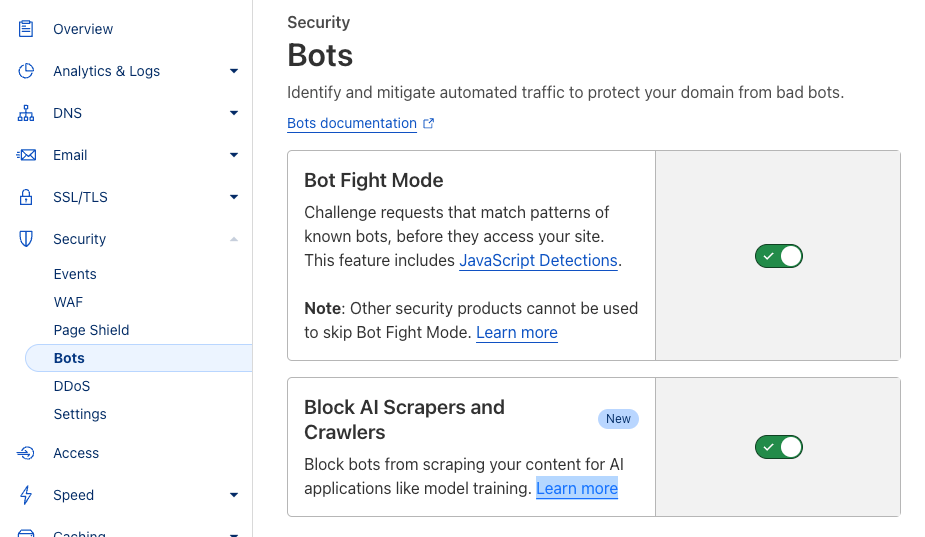
Cloudflare has evolved into a global connectivity cloud, a distributed, full-stack application environment that executes your code and manages your data natively across more than 330 global locations. By pushing compute, state, and security directly to the edge, it fundamentally eliminates cold starts, removes unpredictable cloud bills, and mitigates the latency bottleneck of traditional centralized cloud provider regions.
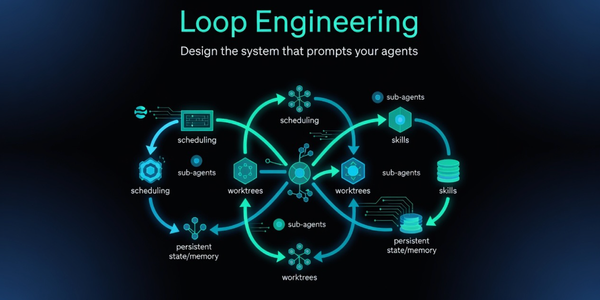
Whether you are optimizing an enterprise API gateway, scaling a Next.js application, or launching multi-step AI agents, here is exactly why and how you should integrate Cloudflare into your modern development workflow.
1. Uncompromising Application & API Security
Traditional infrastructure isolates security to an internal perimeter, meaning malicious or junk traffic still reaches your origin server before getting blocked. Cloudflare inspects and acts on traffic at the edge, shifting the computational burden entirely off your servers.
Web Application Firewall (WAF) & DDoS Mitigation
Cloudflare processes roughly 22% of all global web traffic. This scale fuels its threat intelligence engine. The second a zero-day exploit or a new vector of a Distributed Denial of Service (DDoS) attack is spotted on one side of the planet, the global WAF updates instantly to shield every application on the network.
API Shield & Advanced Bot Management
Modern backends spend significant compute resources handling automated scraper bots, credential stuffing, and unauthenticated API abuse.
- API Shield enforces strict schema validation (using OpenAPI/Swagger specifications) and handles mutual TLS (mTLS) decryption directly at the edge, ensuring only well-formed, authorized payloads hit your app.
- Bot Management leverages behavioral analysis and machine learning to distinguish human interactions from sophisticated automated scripts without relying on invasive user CAPTCHAs.
 Hamza Musa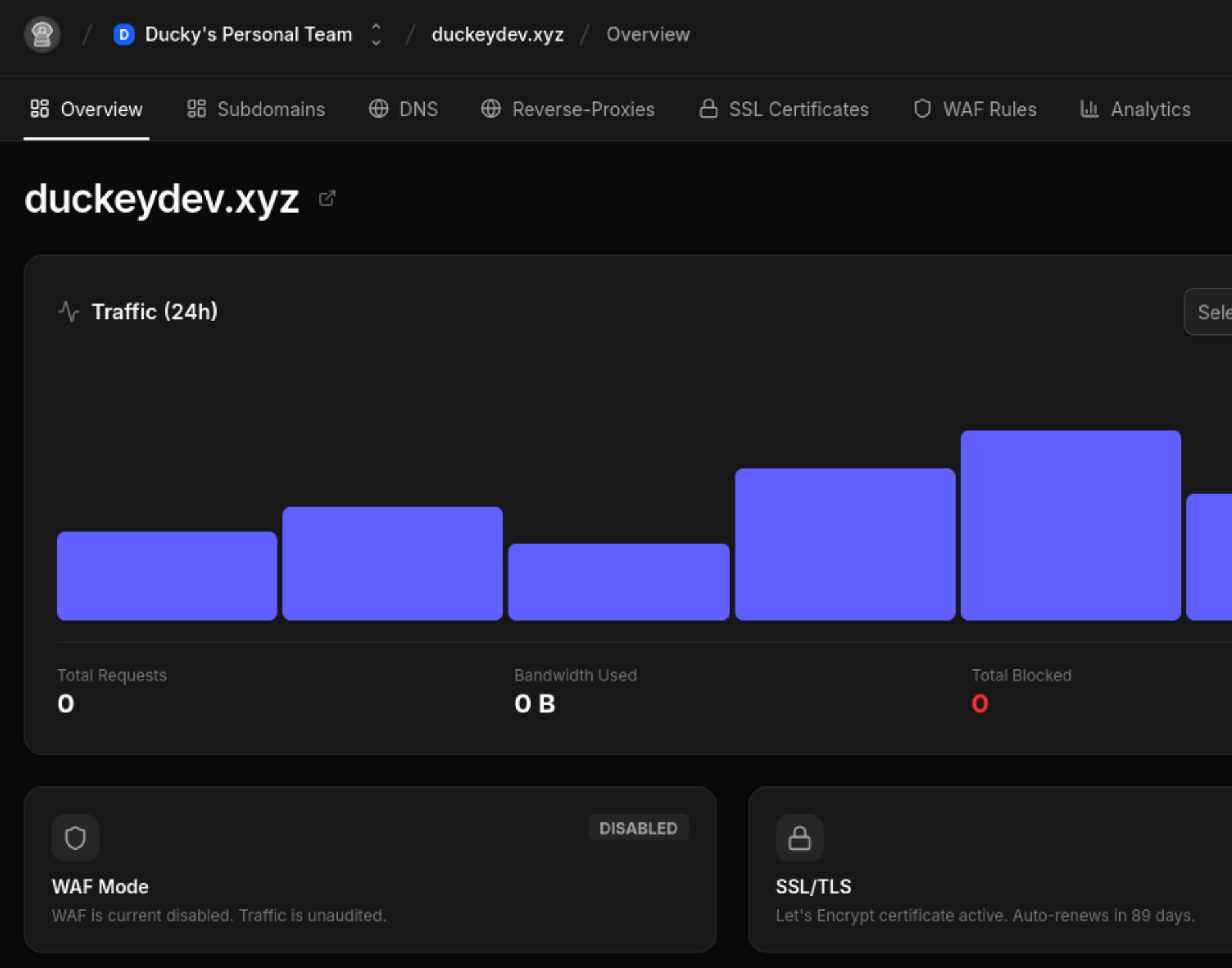
2. Global Performance & CDN Architecture
A modern CDN shouldn't just cache static .html and .png assets; it should dynamically optimize how your application communicates with the rest of the web.
Cache Reserve & Tiered Caching
To maintain a high cache-hit ratio without exhausting local edge storage, Cloudflare uses Tiered Caching, grouping regional data centers around upper-tier hubs. If you need to guarantee your assets remain cached even during low-traffic periods, Cache Reserve acts as a persistent storage layer built on Cloudflare's object storage infrastructure, shielding your origin from costly egress calls.
Argo Smart Routing
The public internet routes traffic based on static, BGP paths that don't account for real-time congestion or packet loss. Argo Smart Routing analyzes live telemetry data across Cloudflare's global private backbone to route your dynamic API requests through the fastest, least congested physical pathways.
The Impact: Implementing Argo frequently drops dynamic time-to-first-byte (TTFB) metrics by an average of 30%, making your remote backend feel globally distributed.
 Hamza Musa
3. Empowering Apps: Serverless Compute & Zero-Egress Storage
The true shift for developers is Cloudflare’s full-stack developer platform. By leveraging the V8 JavaScript engine instead of traditional containerized micro-virtual machines (like AWS Lambda), Cloudflare Workers boot in under a millisecond, completely bypassing the "cold start" dilemma.
The Core Developer Services
| Service | Primary Use Case | The Developer Advantage |
| Cloudflare Pages | Full-stack frontend hosting (Next.js, Remix, Astro) | Deep Git integration with automatic branch preview deployments and unlimited developer seats. |
| Cloudflare Workers | Global serverless code execution | Zero cold starts; runs JavaScript, TypeScript, Python, or Rust within 50ms of 95% of the global population. |
| Cloudflare R2 | S3-compatible global object storage | Zero egress fees. Store logs, video assets, or user uploads without worrying about a sudden traffic spike breaking your budget. |
| Cloudflare D1 | Natively serverless relational SQL database | Built on SQLite, D1 allows you to query relational data directly alongside your edge code with sub-5ms query performance. |
| Hyperdrive | Distributed database proxy acceleration | Connects your edge workers to legacy regional Postgres or MySQL databases, reusing connection pools to drastically cut handshake times. |
4. The Agentic Frontier: AI & Background Workflows
As software architecture trends toward asynchronous processing and artificial intelligence, Cloudflare provides the absolute base primitives to build agentic workflows natively at the edge.
Workers AI & AI Search
Instead of writing complex integration code for external LLM APIs, Workers AI lets you run inference directly on Cloudflare’s global network of GPUs using models from top-tier providers. When building AI systems that require custom context, AI Search (formerly AutoRAG) provides a flexible, fast index to handle vector retrieval and semantic content search right inside your application boundary.
Cloudflare Workflows
For complex applications requiring durable execution—such as multi-step checkout processes, transactional emails via Cloudflare Email Service, or stateful background processing—Cloudflare Workflows manages step retries, state persistence, and high concurrency without needing to deploy heavy queue clusters or specialized orchestration tools.
 Hamza Musa
5- The Core Developer Services
| Service | Primary Use Case | The Developer Advantage |
| Cloudflare Pages | Full-stack frontend hosting (Next.js, Remix, Astro) | Deep Git integration with automatic branch preview deployments and unlimited developer seats. |
| Cloudflare Workers | Global serverless code execution | Zero cold starts; runs JavaScript, TypeScript, Python, or Rust within 50ms of 95% of the global population. |
| Cloudflare R2 | S3-compatible global object storage | Zero egress fees. Store logs, video assets, or user uploads without worrying about a sudden traffic spike breaking your budget. |
| Cloudflare D1 | Natively serverless relational SQL database | Built on SQLite, D1 allows you to query relational data directly alongside your edge code with sub-5ms query performance. |
| Hyperdrive | Distributed database proxy acceleration | Connects your edge workers to legacy regional Postgres or MySQL databases, reusing connection pools to drastically cut handshake times. |
6. The "Cyber-Bodhisattva" Ecosystem: Open-Source Tools Built on Cloudflare
In the developer community, Cloudflare is affectionately dubbed the "Cyber-Bodhisattva" (赛博菩萨) due to its incredibly generous free tier, which allows developers to build and host production-grade systems for $0.
Thanks to this developer-friendly ecosystem, a massive wave of open-source projects has emerged. As documented by the popular community repositoryAwesome Cloudflare, you can deploy entire backend architectures, analytical tools, and utility pipelines using nothing but Cloudflare's serverless stack.
Here are some of the most powerful, battle-tested open-source projects you can deploy in minutes:
Temporary & Self-Hosted Mail Services
Tired of paying for commercial transactional or temporary email tools? You can build complete mail systems directly on Cloudflare Email Routing:
- vmail: An open-source temporary email tool that supports both receiving and sending emails.
- cloudflare_temp_email: A temporary mailbox system utilizing Cloudflare D1 as its database, featuring multi-language support, attachments, and automatic replies.
Serverless Web Analytics & Monitoring
Avoid cookie banners, protect user privacy, and keep track of your performance without heavy third-party tracking scripts:
- Counterscale: A simple, self-hosted web analytics tracker and dashboard designed to handle high traffic at near-zero operating costs.
- UptimeFlare: A serverless uptime monitoring tool that checks your HTTP/TCP endpoints from multiple global locations and stores history using Workers and KV.
Serverless File Sharing & Image Hosting
Ditch costly S3 egress fees and complex storage pipelines with edge-native solutions:
- Telegraph-Image: A free, unlimited image hosting solution built on Cloudflare Pages.
- Sink: A lightning-fast, secure link shortener complete with an analytical dashboard, built entirely on the Cloudflare developer suite.
 Hamza Musa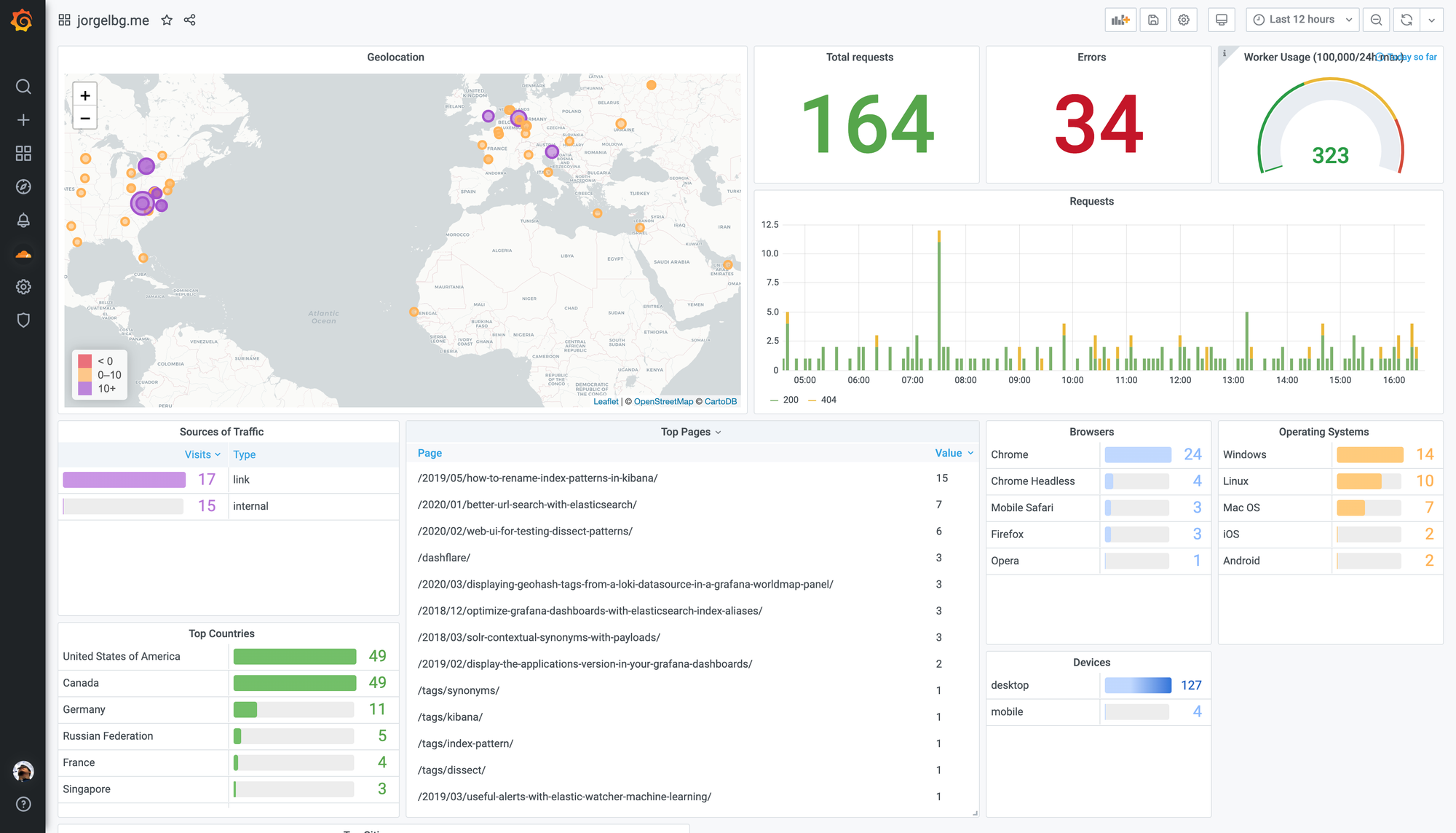
7. Cloudflare for Healthcare Services, Not Just About Security
We recently explored how modern infrastructure is moving to the edge, and the healthcare sector is experiencing this exact same shift. When managing high-stakes environments like patient portals, traditional cloud configurations often fall short.
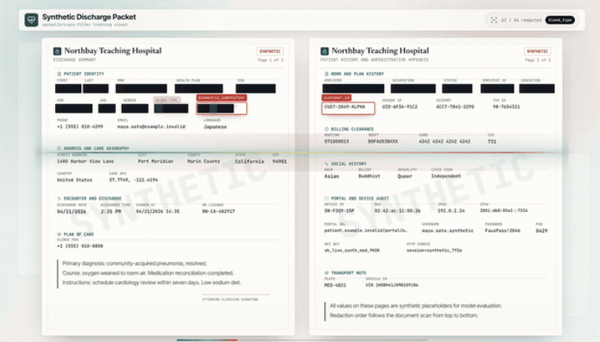
Patient portals handle highly sensitive Protected Health Information (PHI), making them prime targets for credential stuffing, data scraping, and DDoS attacks. Cloudflare acts as a critical shield, providing web application firewalls (WAF) and advanced bot management to block malicious threats at the edge before they can ever touch your core electronic health record (EHR) systems.
Furthermore, with strict data regulations, features like data localization and HIPAA-aligned security protocols ensure patient records remain fully encrypted and secure. Beyond security, it minimizes latency, ensuring patient check-ins, medical records, and Telehealth features load instantly globally.
How to Get Started: The Modernization Roadmap
Transitioning your existing architecture to capitalize on these services doesn't require a ground-up rewrite. You can adopt an incremental migration path:
- Migrate the DNS Layer: Move your domain nameservers to Cloudflare. This grants you baseline DDoS protection, automated SSL management, and global caching rules out of the box with zero code changes.
- Deploy an Edge Proxy Layer: Write a lightweight Cloudflare Worker to intercept incoming API requests. Use it to strip malicious headers, inject geographic metadata, format responses, or handle basic authorization checks right at the edge.
- Offload Heavy Static Assets: Set up an R2 bucket and map your static media, images, or document downloads to it. Update your frontend URLs to stop paying data transfer penalties to traditional cloud providers.
- Transition Frontends to Pages: Connect your GitHub repositories directly to Cloudflare Pages. Every pull request automatically generates a cryptographically isolated preview deployment, shifting testing and collaboration entirely into a web-native flow.
By decoupling your application from specific geographic data centers, you drastically simplify your infrastructure while building a lightning-fast, hyper-secure web application that scales seamlessly from its first user to millions overnight.
 zhuima