
How AI Can Help You Stay HIPAA-Compliant, Especially When Using Medical Software & Mobile Apps


You’ve probably heard the buzz: AI is revolutionizing healthcare. From smart EHRs to voice-to-text clinical notes, AI is making doctors’ lives easier, but with great power comes great responsibility.
And if you’re using mobile medical apps, cloud-based EHRs, or even AI-powered diagnostic tools, one question looms large:
"Can I use AI without violating HIPAA?"
The short answer?
- Yes; if you do it right.
No; if you treat AI like a magic wand.
As a physician who’s worked in both clinics and digital health startups, I’ve seen how easily well-intentioned teams slip into HIPAA violations, especially when integrating AI into medical software apps, Telehealth platforms, or smartphone-based patient tools.
 Ayesha Batool
So let me walk you through how AI can actually help you stay HIPAA-compliant, and more importantly — how to avoid the traps that could cost your practice thousands in fines… or worse, damage patient trust.
Why AI Is The Right Tool for HIPAA Compliance?!
Let’s start with the good news: AI isn’t the enemy of privacy, it’s your secret weapon, if used strategically.
Here’s how AI helps protect patient data, especially when you're running mobile health apps, EHRs, or clinical decision support systems:
1. Auto-Detect & Tag PHI in Real-Time
Imagine your doctor types a note:
“Patient John D. has hypertension and was prescribed Lisinopril.”
AI-powered NLP (Natural Language Processing) instantly identifies:
- Name: John D.
- Condition: Hypertension
- Medication: Lisinopril
Then automatically tags that text as PHI, so it gets encrypted, access-controlled, and logged. And this is perfect for mobile apps: Ensures no unsecured PHI slips into cloud storage during sync.
 Hazem Abbas
2. Smart Audit Trails for Mobile & Cloud Apps
Every time a clinician opens a patient record via a mobile EHR app, AI logs:
- Who accessed it
- When
- What they viewed
- Whether it was from a hospital tablet, personal phone, or clinic workstation
This creates a tamper-proof audit trail, required by HIPAA’s Administrative Safeguards.
Why it matters: If someone accesses records from an unauthorized device, AI flags it instantly, before a breach happens.
 Leo Jan
3. Anomaly Detection in Mobile App Usage
AI monitors behavior across all devices, including smartphones and tablets.
⚠️ Example:
A nurse checks 500 patient charts in 20 minutes on their personal phone.
AI detects this as suspicious, triggers an alert, and locks the session.
This stops insider threats and accidental data leaks, before they escalate.
 Medevel Editor’s pick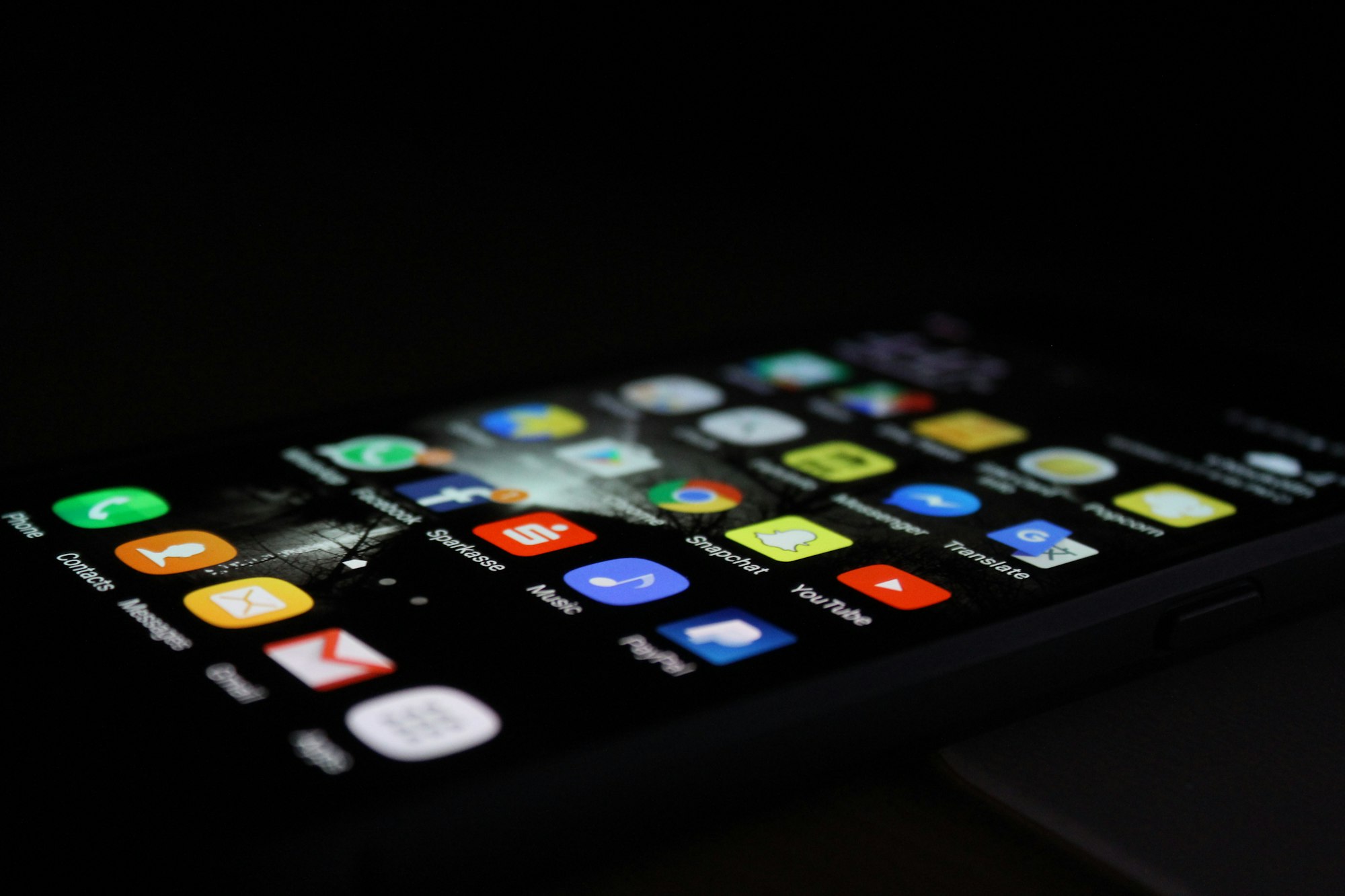
4. Automated Risk Scanning for Medical Software Apps
Whether you use Epic, Cerner, Athenahealth, or custom mobile apps, AI can scan:
- User permissions
- Data encryption levels
- Third-party integrations (like payment gateways or messaging tools)
- API security flaws
Result? A live dashboard showing where your medical software apps are vulnerable, helping you fix risks before an audit.
 Hazem Abbas
 Hazem Abbas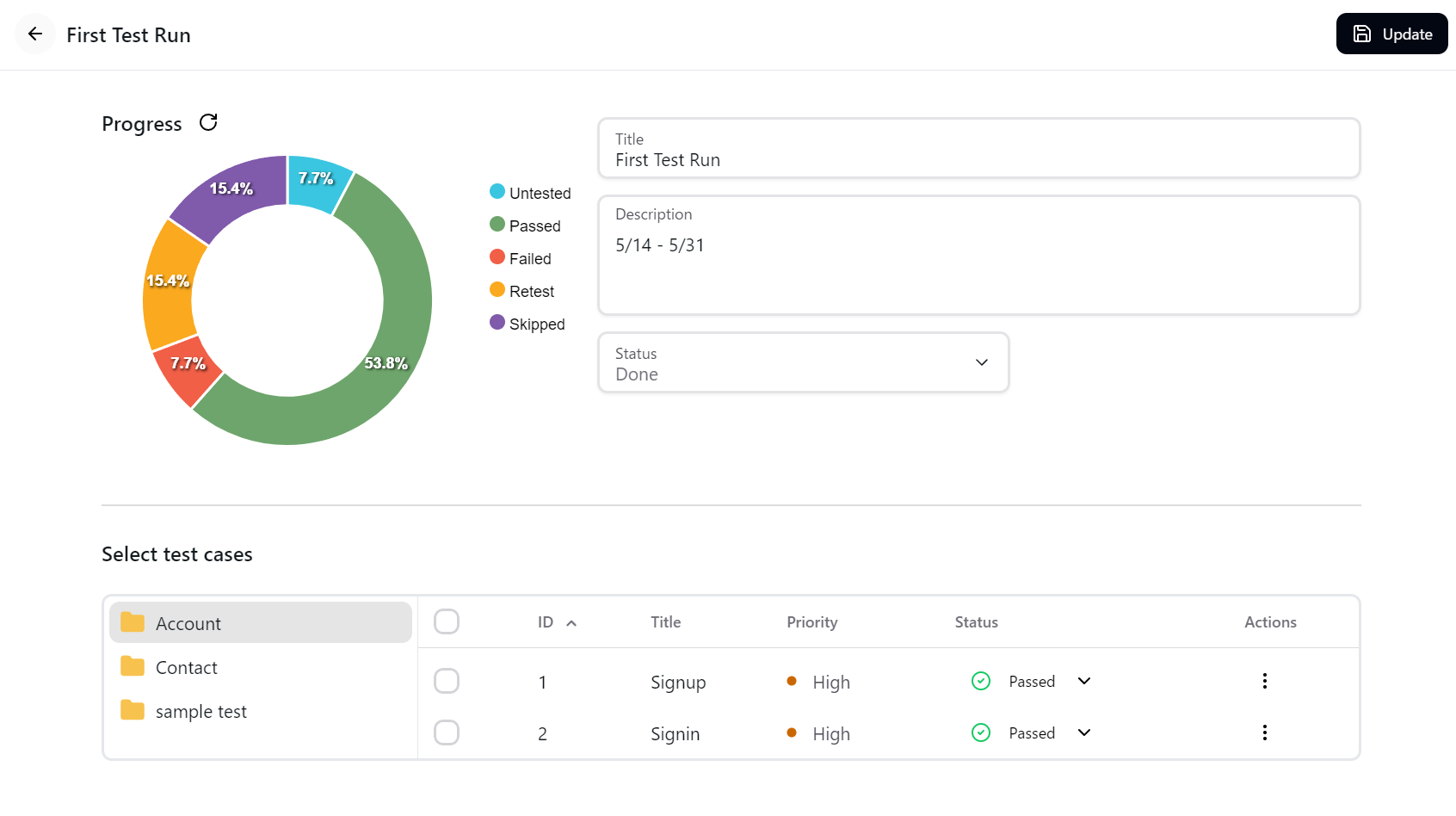
5. AI-Powered Consent Form Validation
Ever had a patient sign a consent form that missed a key clause?
AI can now review every consent document, whether scanned or typed — and check for:
- Missing “use for research” language
- Outdated expiration dates
- Incomplete disclosures
It flags non-compliant forms, so you never send them to the wrong team.
The Hidden Dangers: How AI Can Break HIPAA, Especially With Mobile Apps!
Now for the hard truth: AI can be a major HIPAA risk if not handled properly, especially when you're using patient-facing apps, remote monitoring tools, or chatbots.
Here’s where things go wrong, and how to stop them:
| Risk | Why It Happens | How to Fix It |
|---|---|---|
| Using Public AI Tools (ChatGPT, Gemini, etc.) | Entering patient names or details into free AI chatbots = instant HIPAA violation. These platforms store and train on your input. | Never use public AI tools for clinical tasks. Use only HIPAA-compliant, enterprise-grade AI with BAAs. |
| Mobile App Leaks Through AI Prompts | Asking a chatbot: “Summarize this patient’s history” → the AI may echo back PHI. | Train staff: “Never ask AI about patients.” Use de-identified data only. |
| AI Training on Raw Patient Data | Using real patient records to train AI models without authorization = direct HIPAA breach. | Always de-identify data first (mask names, dates, IDs). Use synthetic data where possible. |
| Weak Access Control in Mobile Apps | AI features in apps may bypass RBAC — letting users see more than they should. | Enforce strict role-based access within AI interfaces. No "admin mode" for frontline staff. |
| Lack of Logging in App Interactions | If AI actions aren’t logged, you can’t prove compliance during audits. | Ensure every AI interaction (e.g., “suggest diagnosis”) is tied to a user ID and timestamp. |
Best Practices: Using AI Safely with Medical Software & Mobile Apps
Here’s your step-by-step action plan to use AI securely, whether you’re running a solo clinic, a hospital system, or a digital health startup.
1. Only Use AI Tools with Signed Business Associate Agreements (BAAs)
Before integrating any AI into your EHR, Telehealth platform, or mobile app, verify the vendor has a HIPAA-compliant BAA.
Look for vendors like:IBM Watson Health (on-premise)Nuance Dragon Medical (with BAA)Microsoft Azure AI (private cloud + BAA)AWS HealthLake (HIPAA-enabled)
2. Deploy AI On-Premise or in a Private Cloud
Avoid public AI platforms. Instead:
- Run AI engines inside your own secure network
- Host models on servers you control
- Use private instances for mobile app integrations
Ideal for hospitals and clinics with high PHI volume.
 Hazem Abbas
3. De-identify Data Before AI Processing
Always remove:
- Names
- Dates (birth, admission, discharge)
- Medical record numbers
- Phone numbers, addresses
Use tools like:
- Synthetic data generation
- Tokenization
- Federated learning (train AI without moving data)
Pro Tip: Use AI to detect PHI, then automatically mask it before processing.
4. Train Staff on AI & HIPAA Boundaries
Run quarterly training sessions with real-world scenarios:
❓ “Can I ask AI to summarize a patient’s chart?”
❌ Answer: Never, unless it’s de-identified and compliant.
Create a simple rule:
“If you can’t say it out loud in a waiting room, don’t type it into AI.”
5. Audit Every AI Interaction in Your Mobile Apps
Ensure your EHR or Telehealth app logs:
- Who used AI
- What prompt was entered
- What response was given
- Whether PHI was exposed
Use AI itself to monitor these logs, creating a self-auditing system.
6. Integrate AI into Your Incident Response Plan
If a breach occurs, maybe a mobile app leaked data via AI — you need to respond fast.
Have AI help by:
- Detecting anomalies
- Alerting security teams
- Generating incident reports automatically
This reduces response time from hours to minutes.
✅ 7. Test Your AI System Regularly
Schedule monthly penetration tests and red-team exercises focused on:
- AI prompts
- Mobile app vulnerabilities
- Data leakage paths
Use tools like Burp Suite, OWASP ZAP, or Tenable.io to simulate attacks.
 Hazem Abbas
💬 Final Word: AI Isn’t Magic, But It Can Be Your Shield
“AI doesn’t care about HIPAA. But you must.”
When used correctly, especially within secure medical software apps and mobile platforms, AI becomes your most powerful ally in:
- Preventing breaches
- Automating compliance
- Protecting patient privacy
But remember: You remain 100% responsible for protecting PHI.
So if you’re considering AI for:
- Clinical documentation
- Predictive analytics
- Patient chatbots
- Mobile EHRs
- Remote monitoring tools
Start with this mantra:
“Control. Consent. Transparency. Accountability.”
By Dr. Hamza Musa | Open-source Software, Healthcare IT Strategist & Cybersecurity Advocate