How Open-Source Tech Enhances Patient-Centered Care

Patients today expect their care team to know their full history, coordinate across departments, and follow up without missing a beat. Open-source technology has made that kind of coordination far more achievable for practices of every size.
Multi-disciplinary practices feel this shift most directly. Core Medical & Wellness is a New Jersey-based practice covering orthopedics, pain management, rheumatology, and men's and women's health. Running those specialities under one roof requires shared data, smooth handoffs, and complete care records across every visit. Open-source platforms are built for that kind of work.
Why Open-Source Tools Work for Patient-Centred Care
Patient-centred care comes down to how information moves between providers and patients every single day. Open-source platforms give clinical teams real control over those information flows, and proprietary systems rarely offer the same flexibility.
Most commercial platforms lock practices into fixed workflows that may not match how their team actually operates. Open-source systems let clinicians shape the software around their existing processes instead. That kind of adaptability becomes important when one patient sees three different providers in the same week.
There is a practical cost benefit too. Redirecting licensing savings into staffing or longer appointment times has a direct effect on patient experience. The Office of the National Coordinator for Health Information Technology has noted that interoperability and data access sit at the centre of patient-centred care models. Open-source systems tend to support open standards far more reliably than closed platforms do.
Open-Source Tools That Deliver Real Results
Several open-source platforms have moved well past the experimental stage. They now run in outpatient clinics and multi-disciplinary settings around the world. Here is a look at the ones making a measurable difference in day-to-day care.
Electronic Health Records
Choosing the right EHR sets the foundation for everything else. These two platforms are widely trusted in clinical settings.
- OpenMRS manages complex patient records across multiple conditions and providers. It works well in environments where a single record needs to serve several clinical roles at once.
- GNU Health brings clinical, laboratory, and administrative data into one environment. It suits practices that want full visibility across a patient's care without switching between separate systems.
Imaging and Diagnostics
Imaging access is often a bottleneck in multi-speciality care. These tools help practices handle it without expensive proprietary infrastructure.
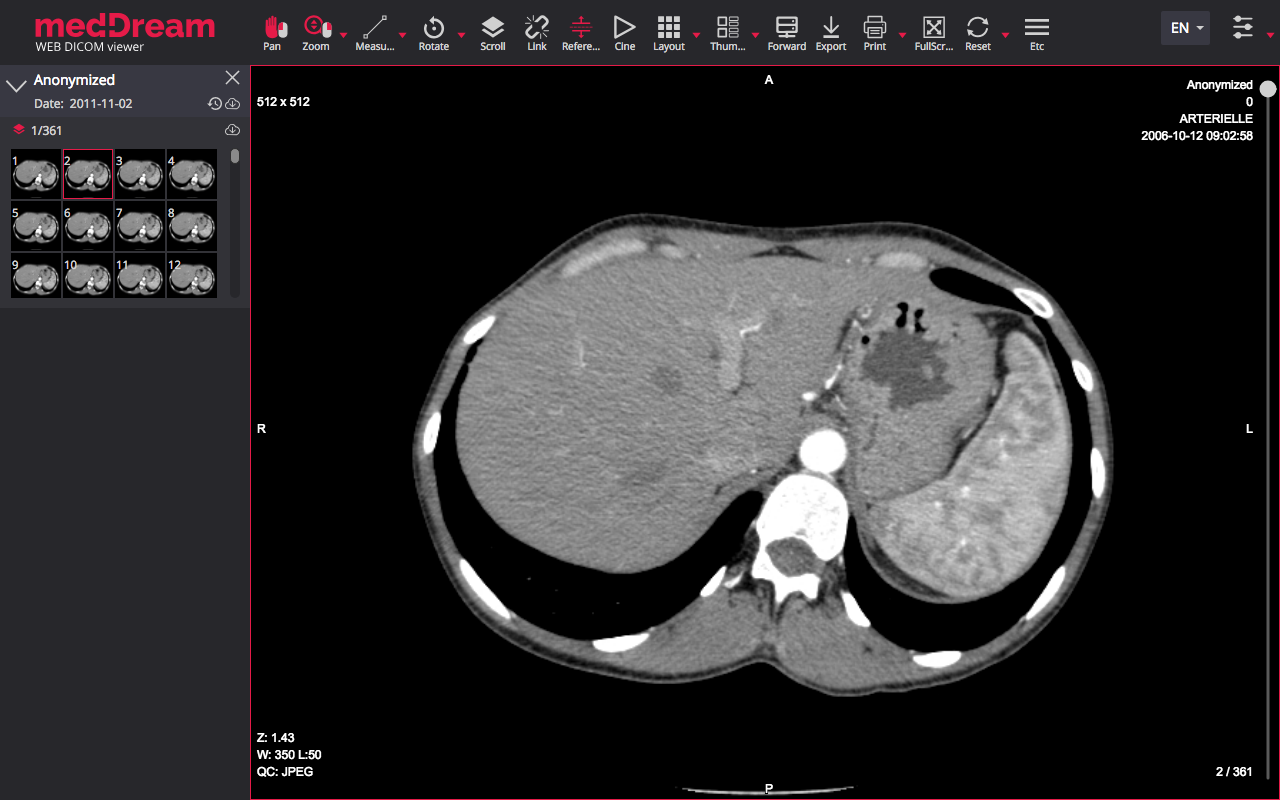
- Orthanc is a lightweight DICOM server for storing, retrieving, and sharing medical images. Orthopedic and pain management teams use it to pull imaging without needing a costly proprietary viewer.
- 3D Slicer supports detailed image analysis and helps guide surgical planning. It is particularly useful when musculoskeletal conditions require imaging to direct treatment decisions.
Patient Communication and Scheduling
- OpenEMR combines scheduling, billing, and a patient portal in one platform. That combination closes the gap between a clinical visit and a follow-up, which is where patient experience most often falls apart.
How Shared Data Improves Multi-Disciplinary Care
When providers work from a shared record, clinical decisions move faster and carry fewer risks. A rheumatologist reviewing a treatment plan can see what the pain management specialist prescribed the month before. That kind of visibility cuts down on duplicate testing and reduces the chance of conflicting medications.
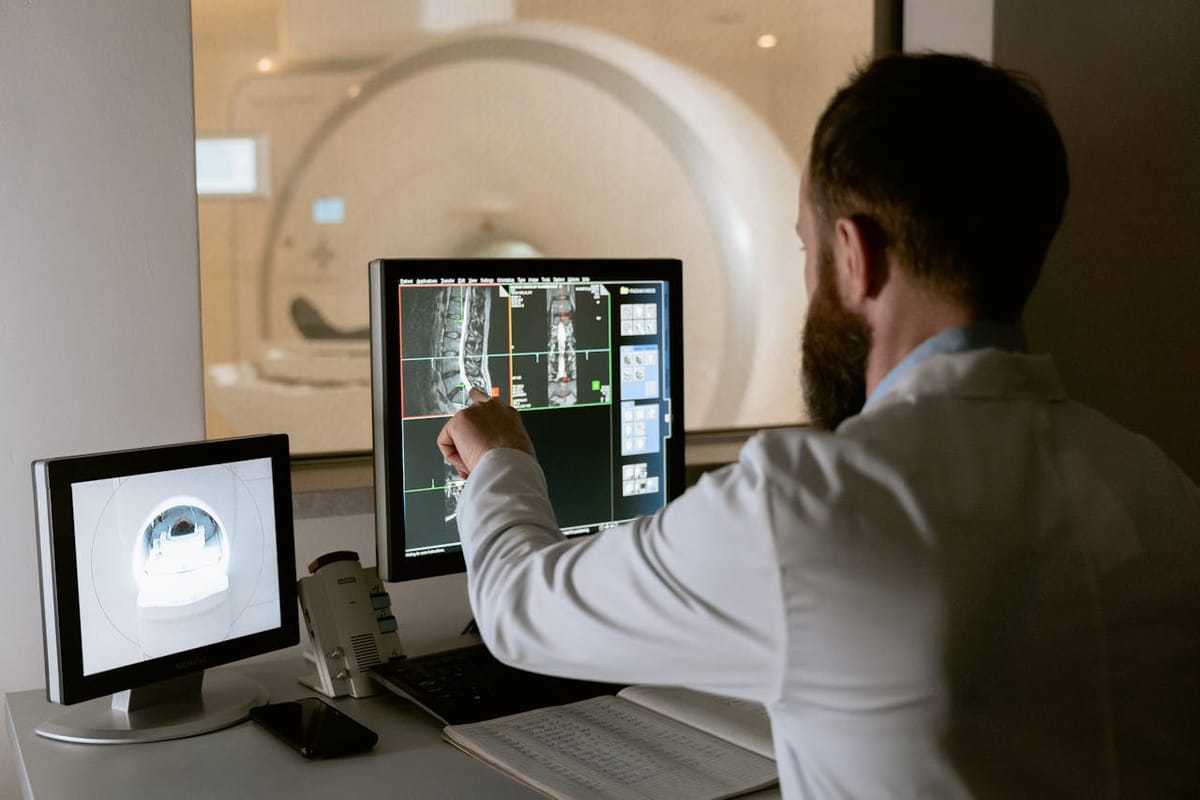
Open-source medical imaging tools play a growing part in this. When imaging results sit in an accessible, standards-based repository, any authorised provider in the practice can view and annotate them without delay. Patients no longer need to carry physical media from one room to another.
Data portability also changes the patient experience in visible ways. When records transfer freely between systems, patients spend less time re-explaining their history at each appointment. That saved time goes toward consultations focused on actual care rather than repeating intake information.
Research from the Office of Disease Prevention and Health Promotion connects effective health communication directly to better patient outcomes. Shared and accessible records are the infrastructure behind that communication.
Interoperability and Open Standards
Interoperability is where proprietary systems tend to struggle most. A patient moving between a GP and a specialist often finds their records simply do not follow. Open-source platforms built on HL7 FHIR and similar open standards handle these transitions far more reliably.
Clinical practice management software built on open standards connects with external labs, pharmacies, and insurance systems without expensive integration projects. That connectivity lowers the administrative load on both staff and patients over time.
For multi-disciplinary practices, this kind of connectivity is foundational. When every provider in the practice sees the same current record, care plans stay consistent. Patients pick up on that consistency, and it builds trust in the practice as a whole.
Getting Open-Source Tools Running at Practice Level
Rolling out open-source tools takes planning, but it does not require a large in-house IT team. Practices that manage it well tend to start with one system, whether that is scheduling, EHR, or imaging, and build from there. Staff training and data migration both need attention upfront, and taking a phased approach keeps disruption low.
The results tend to show up in ways that are easy to track. Practices report fewer duplicate tests, fewer missed follow-ups, faster specialist referrals, and higher patient satisfaction scores. These outcomes appear consistently in practices that move toward integrated, open-source environments.
Building the Case Inside Your Practice
Open-source technology has matured to the point where the question is no longer whether it works. The more useful question is which tools address the gaps that exist right now in a given practice.
For a multi-speciality practice managing chronic conditions and complex patient histories, the starting point is usually a shared record system with solid imaging support and a patient portal that patients can use without friction. Building from that base tends to produce the most consistent gains in both clinical coordination and patient experience over time.
Patient-centred care depends on information moving cleanly between providers, departments, and visits. Open-source platforms, shaped by clinical communities and built on open standards, give practices a way to achieve that without locking into a single vendor's roadmap or pricing model.
 Hazem Abbas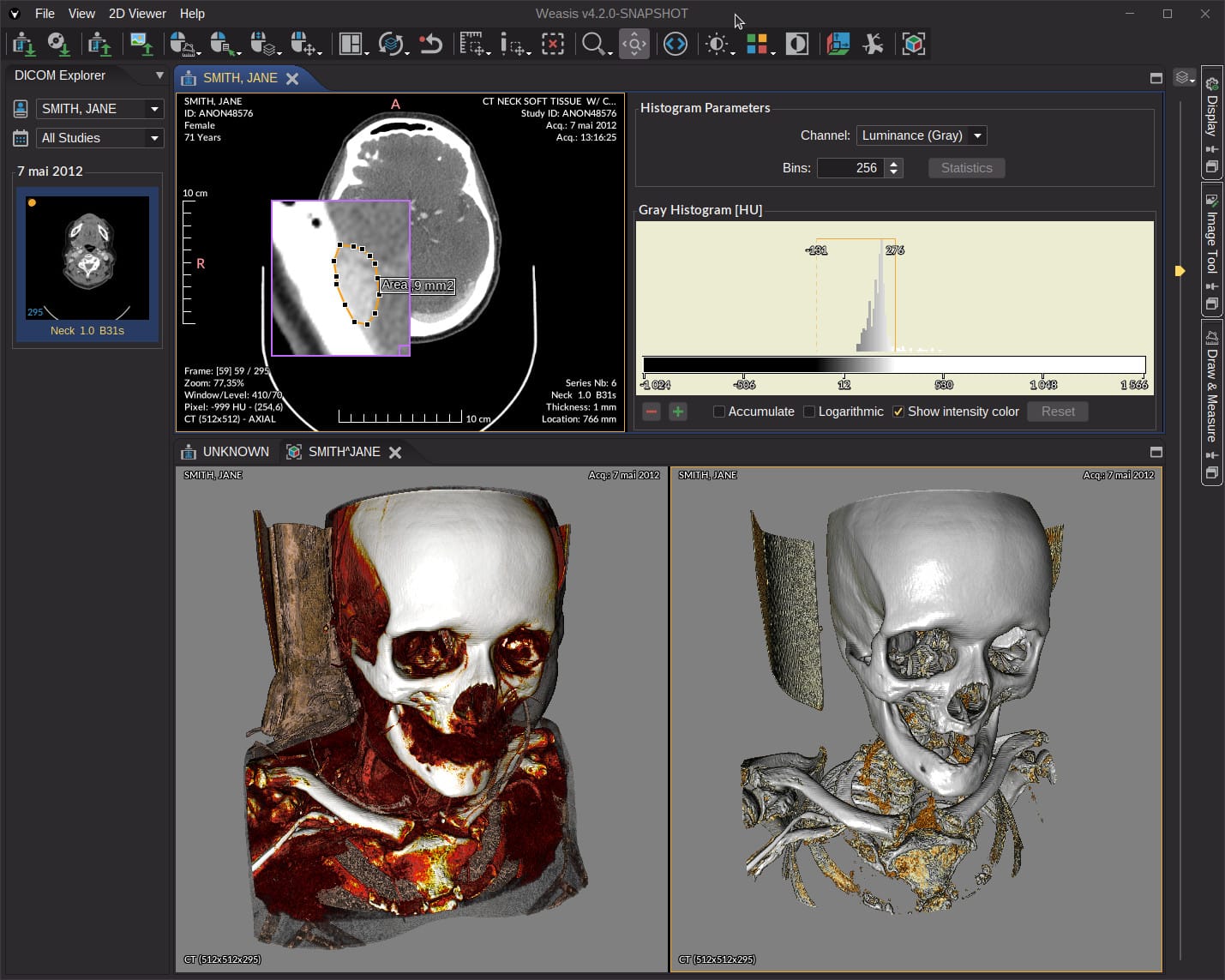
 Hazem Abbas