Portable Ultrasound Comparison: Why EagleView Stands Out for POCUS

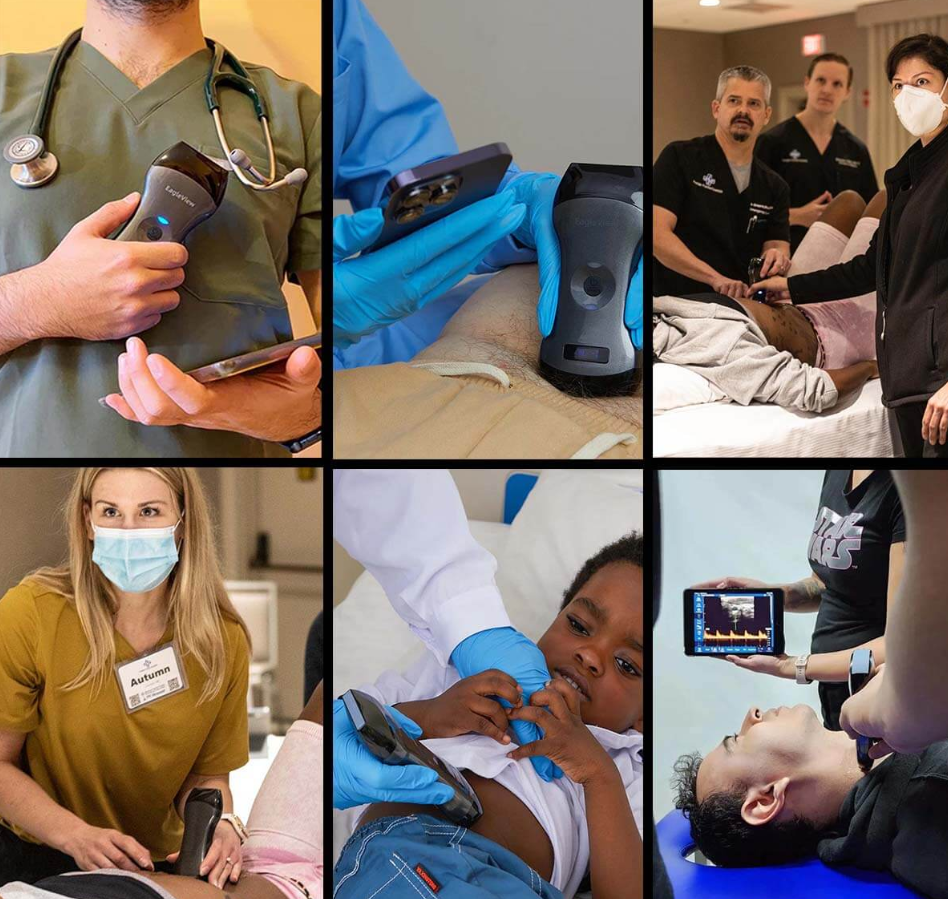
Choosing a portable ultrasound for POCUS is not just about image quality. In real bedside use, probe flexibility, portability, workflow, and total cost often matter just as much. This comparison looks at the factors that most directly affect day-to-day scanning efficiency.
Why choosing a portable ultrasound is harder than it looks
Portable ultrasound sounds easy to shop for.
It is not.
Most buyers are not just looking at image quality. They are also thinking about workflow, portability, battery life, software, and cost. For POCUS, those details matter a lot.
The real question is usually not, “Which one has more features?” It is, “Which one fits the way I actually scan?”
What actually matters in the POCUS workflow
In routine POCUS use, the most important factors are probe selection, workflow, image quality, portability, software, and total cost.
What matters most is not just performance on paper, but how well the device works in everyday bedside practice.
For clinicians seeking a portable ultrasound suited to real bedside practice, the EagleView Wireless Handheld Ultrasound provides a helpful reference throughout this comparison.
Choose the One from All Portable Ultrasound Machines
To help identify the most suitable portable ultrasound device for POCUS, we created a comparison table covering several leading handheld ultrasound brands. For most bedside practice, convex and linear probes are the most important, while wireless connectivity and price are also key factors in the final decision.
How this comparison was framed
This comparison is not meant to crown a single best handheld ultrasound for every clinician. Instead, it focuses on the practical factors that tend to matter most in routine POCUS use: probe flexibility, workflow, portability, battery, software access, and total cost. Those factors often shape real-world adoption more than headline specifications alone.
Comparison of Portable Ultrasound Machines on the Market


Comparison of the Convex Probe for POCUS Use

CD: color Doppler, PD: power Doppler, PWD: pulsed-wave Doppler.
If you want to review the full specifications behind this comparison, see the EagleView Wireless Handheld Ultrasound product page for probe configurations, imaging modes, and supported applications.
Where EagleView fits in the current landscape
The reference table compares EagleView directly with Clarius C3 HD3, GE Vscan, Philips Lumify C5-2
and Butterfly iQ+ on the areas most buyers care about: size, weight, battery, imaging modes, image quality, advanced settings, price, etc.
That is the right comparison frame.
Not every buyer wants the same thing.
Some users may prefer a more familiar ecosystem. Some may care most about the B-mode image feel. Some may care most about portability. Others will care most about cost.
What EagleView seems to offer is balance.
Not the most famous name. Not the most stripped-down interface. But a strong mix of versatility, wireless use, feature depth, and price.
That is why it feels less like a niche tool and more like a practical POCUS device.
Where different devices fit different users
Different handheld ultrasound systems fit different priorities.
Some users value ecosystem and familiarity, while others care more about mobility, flexibility, and cost. The best choice depends on how and where the device will actually be used.
What this looks like in practice
Brief clinical examples can show how a platform performs in practice, beyond what a comparison table can capture.
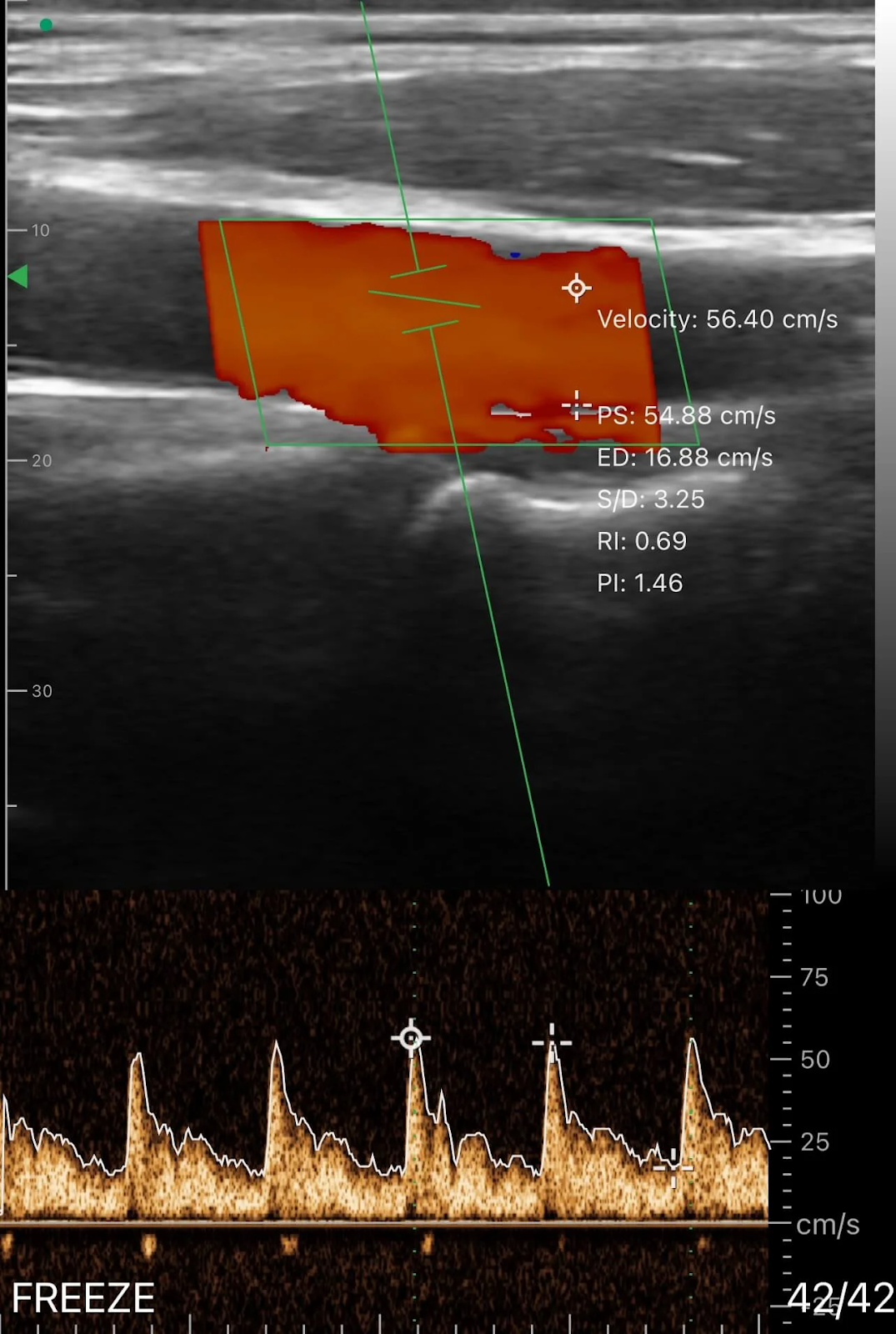
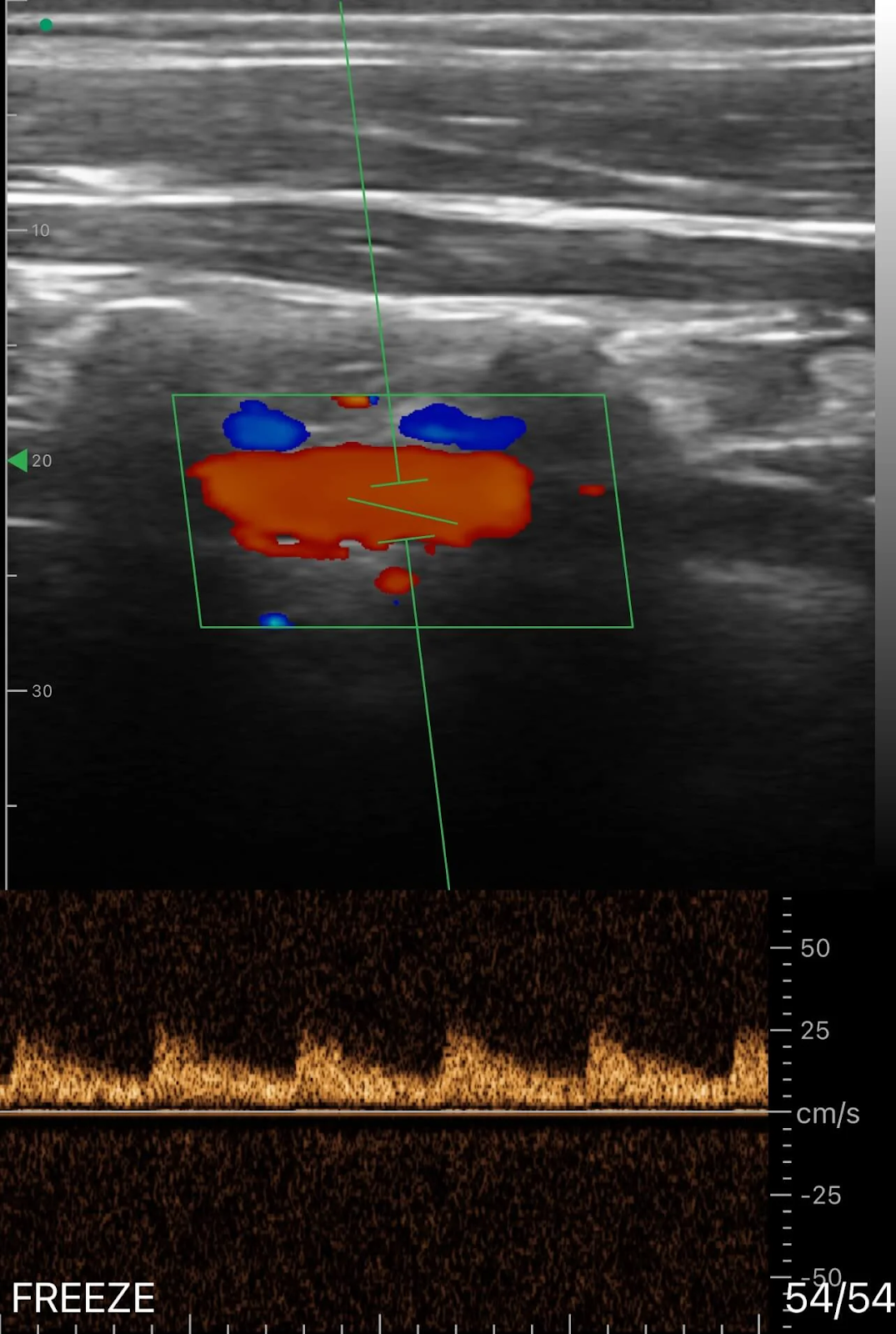
Case 1: Carotid and Vertebral Arteries
The images show the carotid artery and the vertebral artery in pulsed-wave Doppler mode.
Case 2: Inferior Vena Cava
The image shows the measurement of the inferior vena cava diameter.

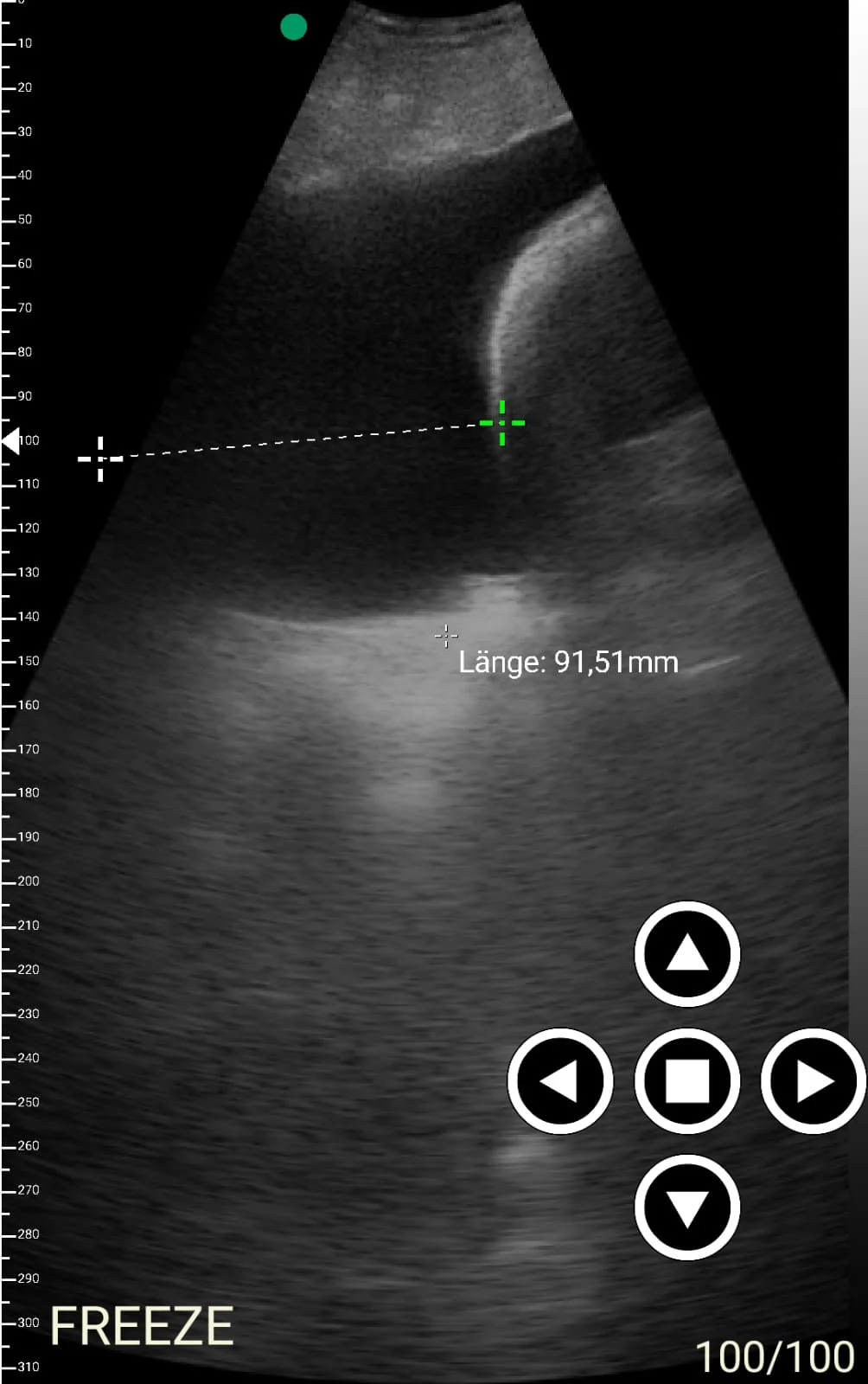
Case 3: Pleural effusion and lung
Pleural effusion and lung view. A large pleural effusion with the diaphragm and liver visible..

Final verdict
For clinicians who prioritize wireless bedside workflow, probe versatility, and cost control, the EagleView Wireless Handheld Ultrasound represents a balanced option in this category. The best choice will still depend on specialty focus, scanning habits, and software preference.
 Hazem Abbas
 Hazem Abbas
 Desoky Mo