
Understanding the Difference Between a Herniated Disc and a Spinal Cord Injury

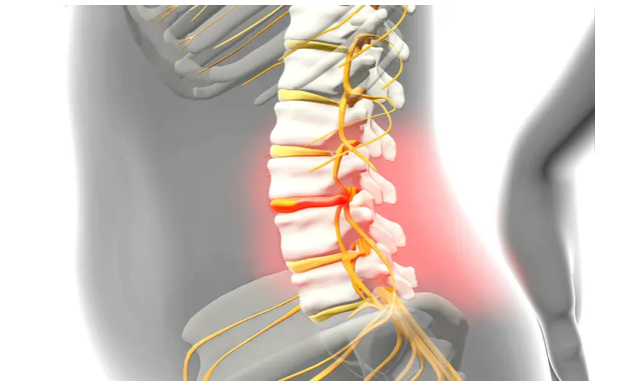
A herniated disc and a spinal cord injury can be confusing because they have mostly similar symptoms, like pain, stiffness, and decreased mobility. It is important to understand the underlying cause, to make the correct diagnosis, and to plan the treatment.
While back injuries may start off feeling alike, they are structurally and seriously different. When patients have a sudden onset of pain, weakness, or numbness, what often comes to mind is, "Is a herniated disc a spinal cord injury?” Both are different medical conditions.
Let’s first explore their definitions!
What is a Herniated Disc?
A herniated disc refers to when the soft material between the vertebrae in the spine bulges or tears through; it can compress the nerves that lie nearby. This pressure may result in localized back pain, tingling, or radiating discomfort in the arms or legs, depending upon the affected area.
The majority of cases are insidious, as a result of aging or overuse, although sudden injuries involving lifting can also cause symptoms.
What is a Spinal Cord Injury?
A spinal cord injury, on the other hand, results in damage to the spinal cord and interferes with the connection between the brain and body. This may be more serious than a disc problem and can lead to partial or total loss of sensation or movement.
In spinal cord injury, the injury affects the core pathways of the nervous system, whereas a herniated disc affects the surrounding structures.
Key Differences Between the Two Conditions
The primary distinction is where and how severe the impact is. A herniated disc occurs when a cushion between your vertebrae ruptures or protrudes, whereas a spinal cord injury occurs when damage happens to the central nervous system.
As a result, neurologic damage to the spinal cord tends to be more widespread (weakness, loss of coordination, or even paralysis), whereas a disc herniation usually causes localized nerve pain.
Diagnosis and Imaging
Neurological exams and imaging tests are used to differentiate between the two conditions. MRI scans can help diagnose soft tissue injuries and nerve entrapment.
In trauma cases, a CT scan can also be performed to determine if there is bone damage or structural damage. It is important to have an accurate diagnosis, as there are various treatments available depending on the cause.
Treatment Options
The treatment varies depending on the diagnosis and severity. The majority of herniated disc cases get better with conservative therapy such as rest, physical therapy, and anti-inflammatory medication.
Spinal cord injury may need more aggressive management, which may involve surgery, long-term rehabilitation, or supportive care to address functional deficits.
Why the Distinction Matters
It can take a long time to receive correct treatment, as these conditions can be mistaken for one another. The symptoms of both are similar, but you need a medical evaluation to determine the cause of each.
It is important to identify signs of progression, like weakness, loss of coordination, or changes in bladder control, as this can suggest that the problem is not just a disc problem but a problem of the spinal cord.
Key Takeaways
- A herniated disc is caused by damage to the cushioning material in the spine.
- The central nervous system is injured directly with a spinal cord injury.
- Symptoms may be shared but may vary in intensity.
- The main method of proper diagnosis is MRI.
- Treatment options include conservative treatment and surgery.
- Spinal cord injuries have a greater risk of being permanently damaged.
- Early evaluation is better and will minimize complications.
- It is important to differentiate disc herniation from spinal cord injury for proper treatment and planning for long-term recovery.