
10 Powerful Ways Clinics Should Use AI


Why I Wrote This: A Doctor’s Wake-Up Call in Private Clinics
As a physician and health tech developer, last month, while visiting friends running private clinics in different cities, I was struck by something unsettling. Despite having access to cutting-edge tools, many of these clinics still relied on paper charts, manual scheduling, and handwritten notes.
One doctor confessed, “We’re too busy just keeping up, we don’t have time for new tech.” That moment sparked a mission.
I realized the future of medicine isn’t just about better drugs or advanced machines, it’s about smarter systems that work with clinicians, not against them.
So here’s my list of 10 Powerful Ways Clinics Should Use AI, reimagined and reordered for real-world impact, from clinical decision support to 24/7 patient chatbots.
 Hazem Abbas
But here’s the truth: you don’t need to hand over your data to big tech. With open-source AI models like Llama 3, Mistral, and Phi-3, you can run powerful language models offline on local servers or even laptops.
 Hazem Abbas
Tools like Ollama, LM Studio, and LocalAI let clinics deploy secure, HIPAA-compliant AI without cloud dependency. We’ve covered dozens of these solutions, from setting up private LLMs to integrating offline voice-to-text transcription, all designed to keep patient data safe while boosting efficiency. Privacy isn’t a luxury; it’s a necessity. And now, it’s within reach.
1. Predictive Patient Risk Stratification
Clinics should leverage AI to analyze EHRs, real-time vitals, lab trends, and historical data, identifying high-risk patients before complications arise, like sepsis, heart failure, or readmission.
This proactive intelligence integrates seamlessly into clinical workflows, alerting providers with actionable insights. By embedding AI directly into care pathways, clinics enable early interventions, reduce hospitalizations, improve outcomes, and enhance resource allocation, all while strengthening population health management and supporting value-based care models.
 Hazem Abbas
2. AI-Powered Clinical Decision Support (CDS)
Enhance clinical accuracy with AI-driven CDS tools that deliver real-time, evidence-based treatment recommendations during patient consultations. Integrating seamlessly with EHRs, these systems reduce diagnostic errors, prevent drug interactions, and support adherence to clinical guidelines. Boosted by machine learning and medical knowledge graphs, AI-CDS improves care consistency, accelerates diagnosis, and supports value-based care.
This is ideal for primary care, emergency medicine, and chronic disease management, this smart healthcare integration increases physician confidence, reduces variability in treatment, and elevates patient outcomes, making it a must-have for modern clinics focused on precision medicine, digital health innovation, and clinical decision intelligence.
 Hazem Abbas
 Hazem Abbas
3. Automated Medical Documentation & Transcription
Let AI transcribe patient visits in real time using advanced voice recognition, instantly converting spoken conversations into accurate, structured clinical notes. This reduces the burden of manual charting, cuts down documentation time by up to 50%, and allows doctors to focus more on patients and less on paperwork.
With seamless EHR integration, AI-powered transcription ensures consistent, compliant, and searchable records, boosting productivity, improving care quality, and supporting physician well-being in busy clinics.
 Hazem Abbas
4. Smart Appointment Scheduling & Reminders
Optimize calendars using AI that learns patient behavior, reduces no-shows, and sends personalized SMS/email reminders with rescheduling options.
 Hazem Abbas
5. Chatbots for Patient Triage & FAQs
Turn your clinic’s website into a 24/7 virtual front desk with smart AI chatbots that instantly answer FAQs, check symptoms, and guide patients to the right care, like urgent visits, telehealth, or routine appointments. Reduce call volume, cut wait times, and free up staff to focus on complex cases.
With natural language understanding, these chatbots learn from interactions, improve over time, and integrate with scheduling systems for seamless booking. Boost patient satisfaction, lower no-show rates, and scale your support—without hiring more staff. It’s smart, fast, and always on.
 Hazem Abbas
6. Enhanced Medical Imaging Analysis
Train AI to detect anomalies in X-rays, MRIs, and CT scans faster than ever, supporting radiologists with second opinions and reducing burnout.
While there are several startups that are doing this, it is still expensive in both tech and pricing to be integrated in clinics!
 Hazem Abbas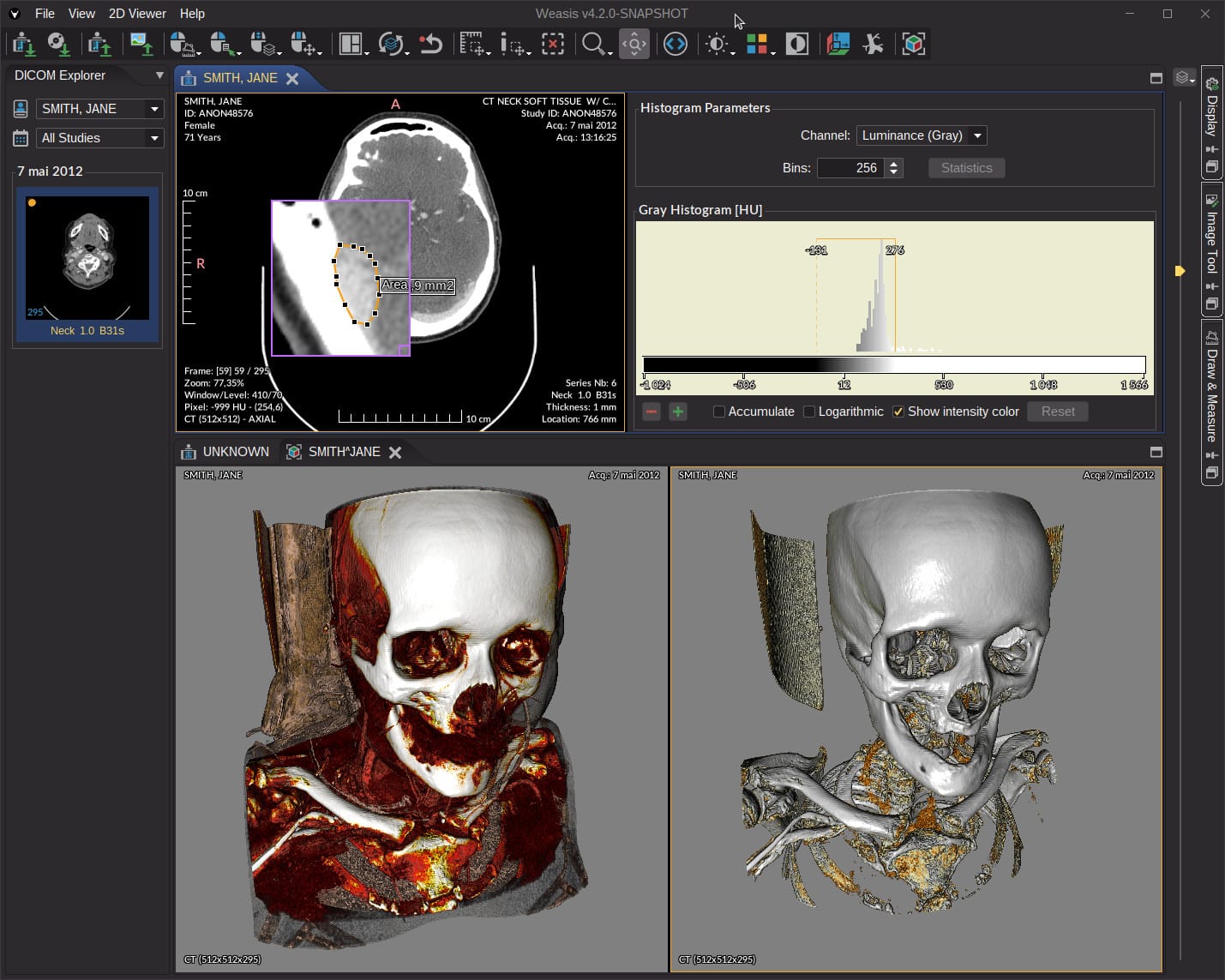
 Desoky Mo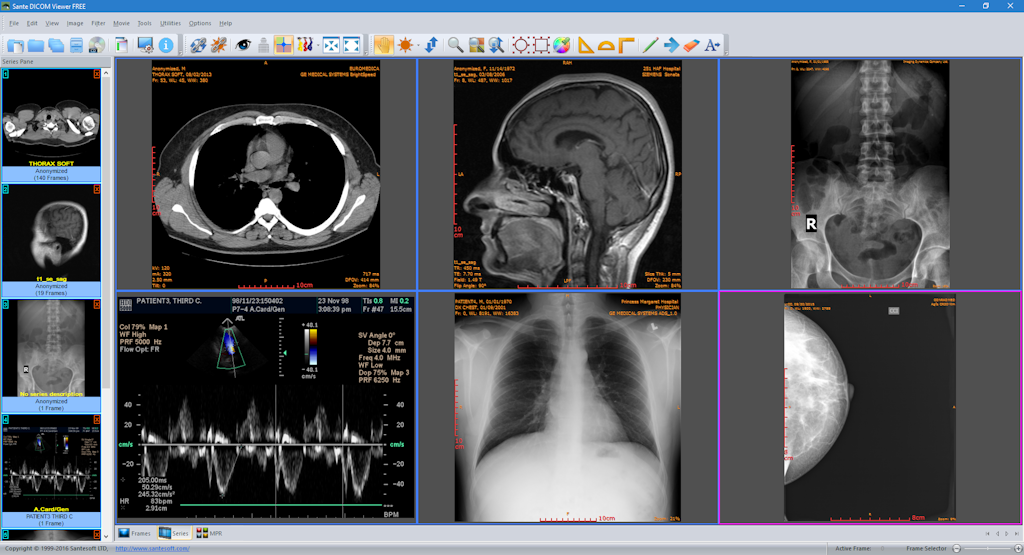
7. Automated Nurse Workflow Assistance
Prioritize nursing tasks based on urgency, vital sign changes, or medication schedules, helping nurses focus on high-touch care.
8. Personalized Patient Engagement & Follow-Ups
Keep patients connected and motivated after visits with AI-powered, personalized messages tailored to their condition and care plan. For example, “Hi Sarah, just checking in! Remember to take your blood pressure meds at 8 AM and log your readings.”
Send recovery tips, medication reminders, and wellness check-ins automatically, boosting adherence, reducing complications, and improving patient satisfaction. Perfect for chronic disease management, post-op care, and preventive health. It’s proactive, human-like, and scales effortlessly, making every patient feel seen.
9. Intelligent Data Integration Across Systems
Break down data silos by using AI to seamlessly connect EHRs, lab results, wearable device readings (like Apple Watch or Fitbit), pharmacy records, and billing systems into a unified, real-time patient health profile. This holistic view empowers clinicians with deeper insights, faster decisions, and better care coordination.
But here’s the catch: integrating sensitive health data raises serious privacy concerns, especially under HIPAA and GDPR. That’s why clinics need a skilled AI integration engineer or healthcare tech specialist to ensure secure, compliant, and scalable data pipelines. Without proper architecture, even the smartest AI can become a liability. Invest in expertise, not just tools.
10. 24/7 AI Customer Support for Patients
Offer round-the-clock help for insurance queries, prescription refills, billing issues, empowering patients anytime, anywhere.
 Hazem Abbas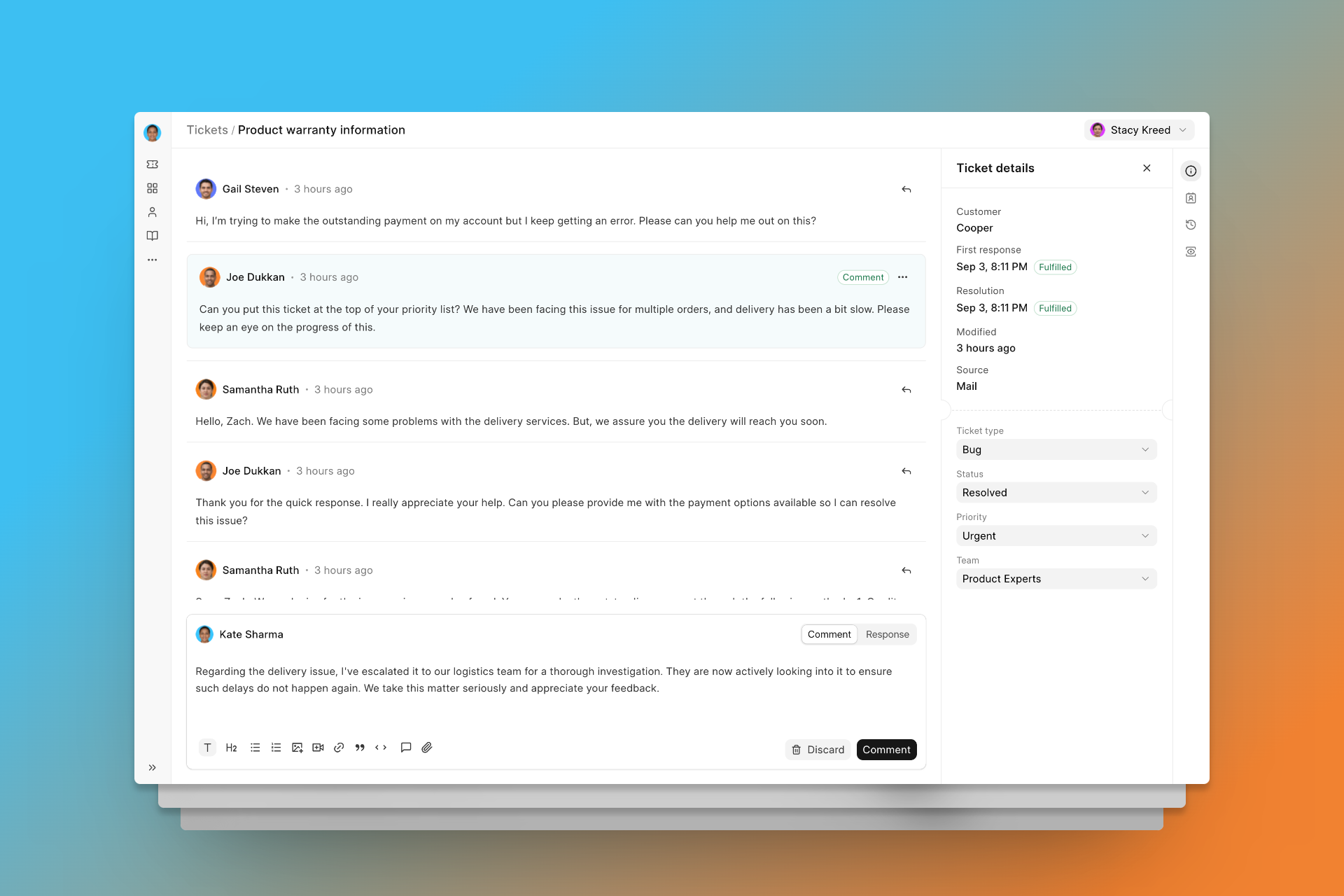
 Omama yahia
 Hazem Abbas
The best part? You don’t have to trust the cloud. With open-source AI models running locally, clinics can maintain full control over sensitive data. Tools like Ollama, LM Studio, and Hugging Face Transformers allow secure deployment of large language models on-premise.
We’ve explored everything from fine-tuning models for medical jargon to building offline symptom checkers, all in privacy-first environments. The future is intelligent, efficient, and yours. It’s time to bring AI into clinics, safely, ethically, and powerfully.
 Hazem Abbas
 Hazem Abbas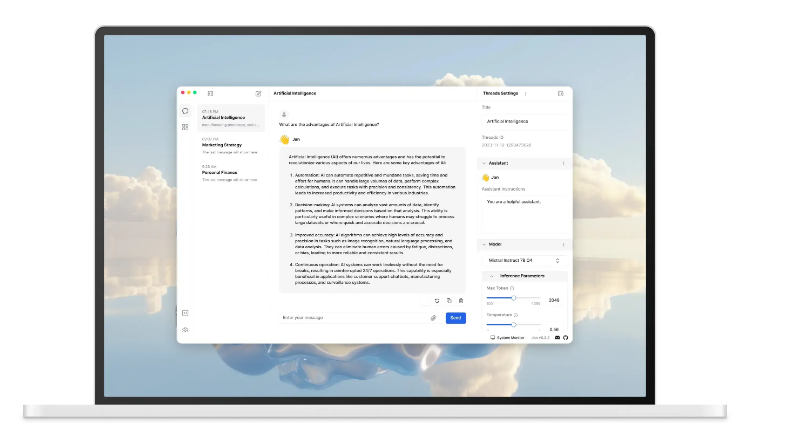
 Hazem Abbas
 Hazem Abbas