AI for HIPAA Compliance: A Privacy-First Guide for Healthcare Teams


The healthcare industry faces a constant "Compliance Paradox": the very tools designed to make data accessible often make it harder to protect. Between drowning in audit logs and the tedious manual de-identification of patient notes, healthcare teams are exhausted.
But here’s the reality: AI can make HIPAA compliance easier, but only if you deploy it with a "privacy-first" architecture.
At medevel.com, we’ve spent years documenting the intersection of open-source technology and medicine. We’ve covered dozens of open-source healthcare solutions and AI integrations that don't just "check boxes" but actually improve clinical workflows. Here is how to use AI to bolster your compliance without breaking the rules.
Part 1: The Three Pillars of HIPAA (And Why Teams Fail)
To use AI safely, you must first understand the technical landscape. HIPAA isn't just a single rule; it’s a framework of Administrative, Physical, and Technical Safeguards.
Most teams get stuck on the Technical side:
- Access Logs: Keeping track of every single person who touches a file.
- Risk Assessments: Identifying vulnerabilities before they are exploited.
- Documentation: Proving you did what you said you’d do.
In the modern era, "checking boxes" is no longer enough. Regulators look for active, evolving risk management.
 Hazem Abbas
Part 2: Where AI Actually Helps (No Hype)
AI isn't a replacement for a Compliance Officer, but it is the world's best assistant.
Smart Automation for Repetitive Tasks
- Auto-Redaction: Modern NLP models can scan thousands of pages of notes, emails, or screenshots to automatically flag and scrub Protected Health Information (PHI).
- Audit-Ready Documentation: AI can synthesize messy workflow logs into clean, readable reports for auditors.
- Anomaly Detection: Use machine learning to flag unusual access patterns (e.g., an employee accessing records outside their department) before a breach occurs.
 Hazem Abbas
Smarter Risk Assessments
- Local LLM Policy Scanning: By running a local Large Language Model (LLM), you can feed it your internal policies and ask it to find contradictions or gaps against real-world workflows.
- Simulated Breaches: AI can run "what-if" scenarios to see how your data flows might leak information, all without ever exposing real patient data.
 Hazem Abbas
Training That Sticks
Generic HIPAA videos are where compliance goes to die. AI allows for role-based, scenario-driven training. A surgeon gets different scenarios than a front-desk receptionist, with adaptive quizzes that focus on their specific knowledge gaps.
Part 3: The Landmines (And How to Avoid Them)
The biggest mistake healthcare teams make is "Shadow AI", employees pasting patient data into public web-based LLMs like the free version of ChatGPT.
- The Cloud Trap: Most consumer AI tools are not HIPAA-compliant out of the box. Unless you have a signed Business Associate Agreement (BAA), using them is a violation.
- The "Black Box" Problem: If an AI makes a decision about data access, you must be able to explain why.
- Human-in-the-Loop: AI should never be the final word. A human must always review AI-generated redactions or reports to ensure 100% accuracy.
Part 4: Building a HIPAA-Safe AI Workflow
If you want to build a compliant stack, follow these practical steps:
- Start Local: Prioritize open-source, self-hosted models (like Llama 3 or Mistral) running on your own secure servers. If the data never leaves your hardware, the "cloud risk" vanishes.
- Ground the AI: Use Retrieval-Augmented Generation (RAG). This ensures the AI only looks at your specific, de-identified documents rather than pulling from the general internet.
- Log Everything: Ensure your AI’s "thought process" and every action it takes is saved in an auditable log.
- Document Your Rationale: When the OCR (Office for Civil Rights) knocks, you need to show the logic behind your AI setup.
 Hazem Abbas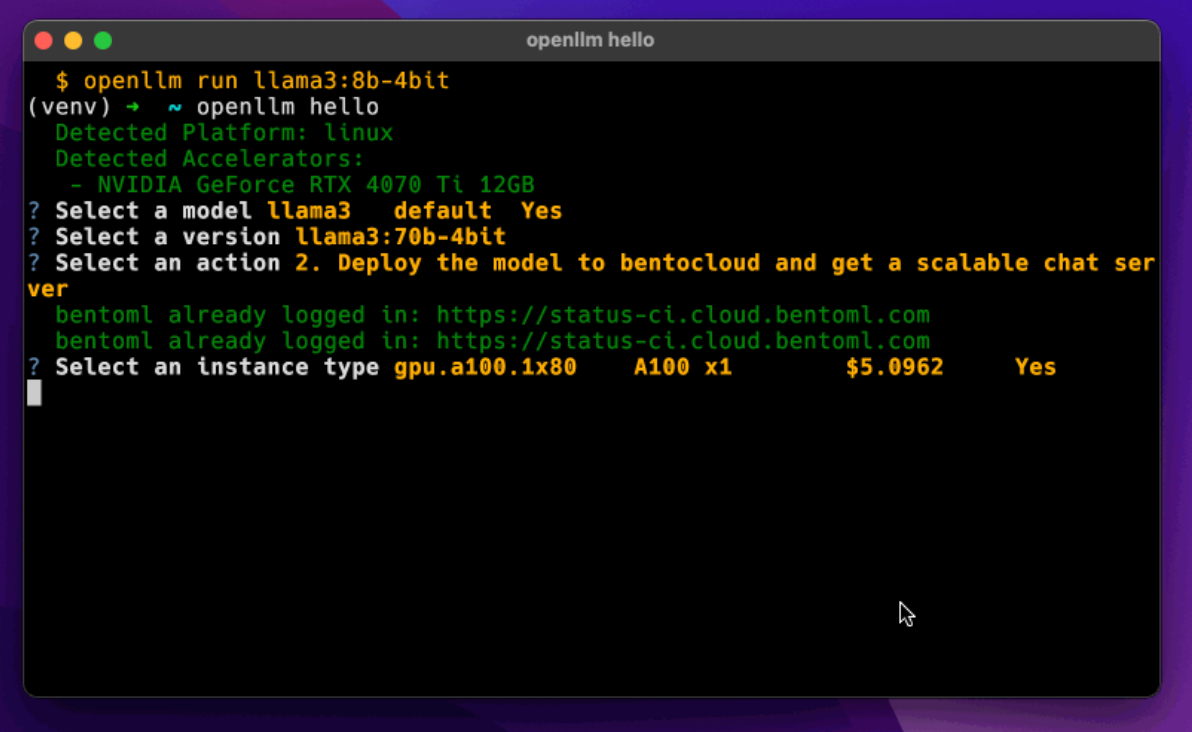
Part 5: Real Tools for Real Teams
You don't need a million-dollar budget to stay compliant. There is a massive ecosystem of privacy-respecting tools available today.
At medevel.com, we have explored dozens of AI-powered applications for healthcare that prioritize data sovereignty. A popular "privacy stack" for a small clinic often looks like this:
- Local LLMs: For processing text.
- Vector Databases (e.g., Milvus or Qdrant): To store policy information securely.
- Open-Source RAG Systems: To allow staff to ask questions like, "What is our policy on sharing records with out-of-state providers?" and get an instant, cited answer.
By leveraging these open-source projects, you can improve patient outcomes and operational efficiency while keeping your data under lock and key.
Ready to modernize your clinic?
We’ve written extensively about how AI integration is revolutionizing the sector. Would you like me to find a list of specific open-source, HIPAA-ready AI tools currently featured on medevel.com?
 Hazem Abbas
 Ayesha Batool
 Hazem Abbas
 Hazem Abbas