The Underrated 1-Click Setup That Saved Us 4 Months: Why Every Developer Needs Directus (15 Reasons)
Directus and Why It is the Best Open-source Headless CMS and Backend Yet


If you’re like me, a developer who’s tired of wrestling with bloated CMSs, brittle APIs, and endless config files, then let me tell you: Directus is the quiet revolution in the headless world. I’ve been using it for months now, deployed via Docker in under 5 minutes, with PostgreSQL and Redis already humming in the background like they’ve always belonged there.
So, the weeks ago, I was chatting with my friend Osman, fellow dev, same late-night coding energy, and we started talking about tools that actually get out of your way while still giving you insane power. He mentioned Directus again. Not casually. Like, “You’ve got to dig deeper into this” kind of energy .
Now, I’ll admit, I’d tried it before. A quick glance. A few clicks. Didn’t click. “Just another headless CMS,” I thought.
But Osman? He wouldn’t let it go. He pulled up his screen, fired up a Docker Compose setup in 45 seconds, showed me real-time flows, custom workflows, and even demoed how an AI agent could auto-tag images or create blog posts, all inside Directus, no code, just logic.
 Hazem Abbas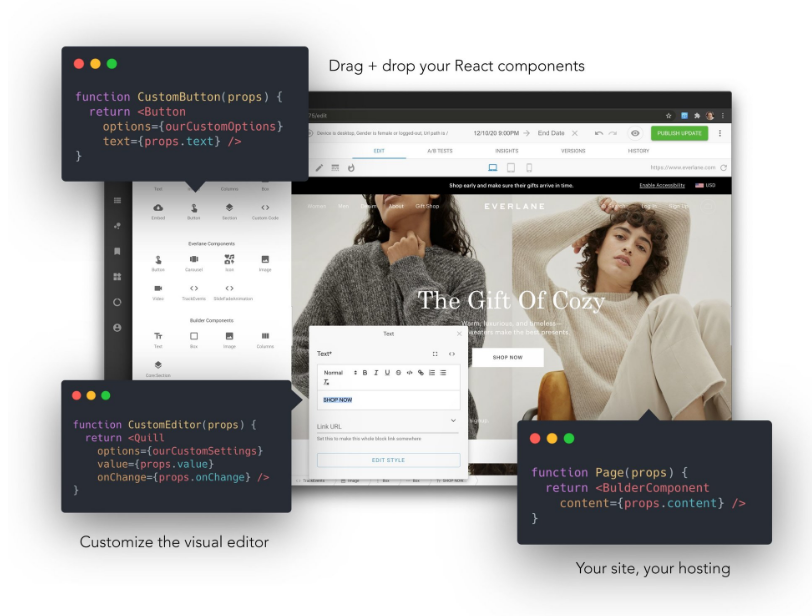
I watched. I doubted. Then… I felt it.
That moment when you realize you’re not just using a tool, you’re standing on the shoulders of something smart, flexible, and built for real projects.
So I did what any curious dev would do: I ran scenarios. Tested APIs. Played with the SDK. Built mock workflows. Simulated data models. And honestly? It wasn’t just cool, it was fun. Fast. Intuitive. Powerful.
Turns out, Directus isn’t just a headless CMS.
It’s a complete backend platform, built for developers who want control, without the chaos.
And now? It’s also AI-ready by design. From MCP integration to real-time agent workflows, it’s not just keeping up with AI, it’s leading the charge.
So I decided to write this. Not because I’m trying to sell anything. But because I finally get it. And if you’re tired of fighting your tools… You need to meet Directus. It might just become your new favorite teammate.
So here’s my unfiltered, slightly chaotic, deeply personal take on why Directus isn’t just “good”, it’s game-changing. And yes, I’ll go full ramble mode because that’s how real developers think when they’re excited.
1. Setup in Minutes (Yes, Really, MINUTES)
Docker Compose? Done. PostgreSQL? Running. Redis? Connected. Directus? Up and screaming at me to build something.
I literally typed docker-compose up -d, waited 30 seconds, and opened the dashboard. No setup wizard. No "please wait while we configure your database." Just… boom. I was in.
And hey, the Directus documentation for Docker Compose setup and environment variables is rich and detailed, you can configure everything from WebSocket settings to external file storage, including AWS, and much more.
Cost-effectiveness: Free. Zero infrastructure cost for dev/staging.
Time saved: 90% vs. setting up Strapi or Sanity from scratch.
Speed: Launching a new project? I did it between coffee sips.
2. Data Structure That Feels Like LEGO for Developers
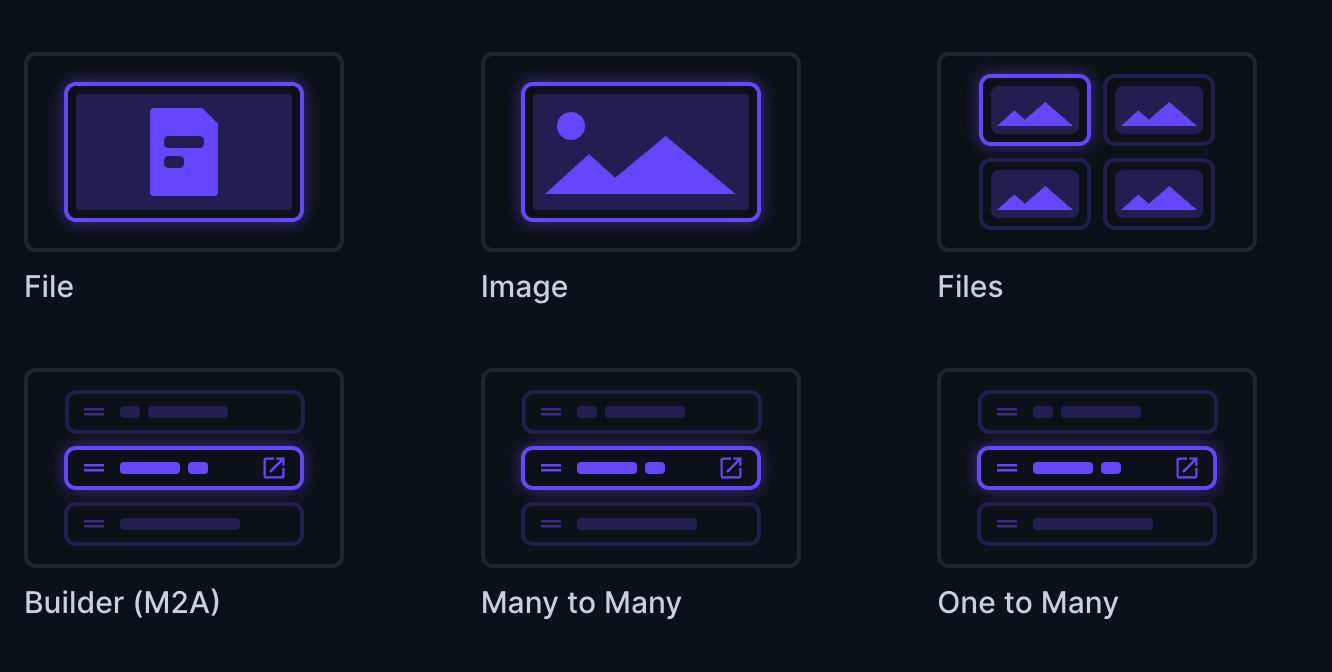
This isn’t just about tables and fields. This is about intent.
You can define relations like:
- One-to-many (e.g., User → Posts)
- Many-to-many (e.g., Tags ↔ Articles)
- Many-to-any (yes, really — attach any item to any collection)
And the Builder UI? Chef’s kiss. Drag, drop, link, validate, all visual, all instant. No SQL headaches. No schema migration scripts.
Benefit for devs: Spend less time writing migrations, more time building features.
Front-end devs? You’ll love this too, the API responds exactly as you expect. No guessing games.
3. Directus Flow: Your Automation Sidekick
This is where I really fell in love.
Imagine the next scenario:
“When a user signs up, send them a welcome email, add them to Mailchimp, trigger a webhook to Slack, and assign them the ‘New Member’ role.”
All of that? Built in Flow, no code (sometimes minimal code when using Script Node), no external tools. Just clicks, logic, and success. You can even integrate with external services (Stripe, AWS, Twilio) via webhooks, all within the same UI.
With Flows, you can skip hiring an automation engineer, and interact with your data with better control level from the backend, instead of bloating your app.
However, It required sometime to learn and get used to.
 Hazem Abbas
4. Webhook Engine: The Silent MVP of Your Stack
Want to fire off a webhook when a record is updated? Done.
Need to notify an external service on deletion? Click. Done. No need to write middleware. No need to spin up a serverless function. Just point, click, test. You can now react to backend events instantly. no polling, no race conditions.
Why it’s genius:
- Real-time triggers
- Full control over payload
- Secure, logged, retryable
5. File & Asset Management That Actually Works
Forget S3 buckets and CDN headaches. Directus has a built-in file system that’s secure, scalable, and easy to manage. However, you can also manage S3 easily within Directus Asset Mansger, that comes as a built-in gift from Directus!
And guess what? You can host these files directly, no extra layer needed.
You can:
- Upload files
- Set access levels (public/private)
- Generate thumbnails
- Attach files to records (e.g., a product image → product)
Cost savings: No need to pay for extra storage layers.
6. User & Role Management: Simplicity Meets Power
At first glance, it looks simple. Then you realize: it’s actually terrifyingly powerful.
You can try to create a Parent Role (e.g., “Admin”), then make Editor, Content Manager, Moderator inherit from it. Assign roles to user groups with one click.
Permissions? Granular down to the field level. Want a user to edit only title and status, but not author? Easy.
Dev benefit: No more spaghetti permission logic in your code.
Front-end benefit: You can build dynamic UIs based on roles, and it just works.
7. REST + GraphQL SDK: Built for Speed
Directus ships with first-class developer-friendly SDKs for both REST and GraphQL.
But here’s the kicker:
The SDKs are so much faster than OpenAPI specs.
No more parsing Swagger docs. No more manual request crafting, it is all in your magical Directus SDK.
Productivity boost: 3x faster than raw API calls.
For frontend devs: Use it with React, Vue, Next.js, Svelte, or Angular it integrates seamlessly.
8. Real-Time Data via WebSocket (Yes, It’s Real)
Want live updates when a new post is published? Or when a form is submitted? Directus supports real-time subscriptions out of the box. And this is ideal if you are building dashboards, chat apps, collaboration tools.
Moreover, it works in two versions, over REST and over GraphQL. Zero latency, Zero setup, Just works, and with better control.
 Hazem Abbas
 Hazem Abbas
9. Built-in Dashboard Builder (No-Code, But Not Dumb)
I call it “The Internal Tool Generator.” You can easily build admin dashboards, analytics panels, team trackers, all visually.
Connect data sources, add charts, filter by roles, embed widgets.
Perfect for:
- Product managers
- Frontend devs
- Even non-tech founders
This will save you weeks of custom dashboard dev. And Yet there is no need to hire a full-stack dev for internal tools.
10. Developer Extensions API: Build Your Own Universe
This is where Directus stops being a tool and starts being a platform.
You can:
- Create custom panels
- Add display extensions
- Build new workflows
- Inject your own logic
- Make a data display widget
And it’s all plug-and-play.
I once built a custom AI tagging panel that auto-suggests categories based on content, just by extending Directus.
11. Ready-to-Use Starters (Next.js, Nuxt, Svelte, Astro)
Check GitHub. There are official starters for every major framework.
Boom. You have a fully working stack:
- Backend (Directus)
- Frontend (Next.js)
- Auth
- File handling
- Real-time support
This will save you at least 1–2 weeks of boilerplate.And you can ship faster than ever.
 Hazem Abbas
12. Live Editor: Make Static Sites Feel Alive
This one blew my mind. Add the Live Editor to any page, and suddenly, your static site becomes interactive.
Edit content live, Save changes, See them instantly, You do not need to rebuild the whole site to update a paragraph.
Perfect for:
- Marketing sites
- Internal documentation
- Client-facing portals
- Landing Pages
 Hazem Abbas
13. Import/Export: Move Projects Like It’s Nothing
Need to migrate from staging to production? Or share your schema with a teammate? Just export your entire project, data, schema, roles, workflows, as a JSON bundle. Then import it elsewhere. Done.
But wait, you can even sync your Directus collections, extensions from one instance to another, it is tricky but hey you can make it.
Bonus: Community extensions make this even easier.
Time saved: Hours of manual migration.
14. Templates & Starters (Open Source, Community-Powered)
There’s a growing library of open-source templates. From AI-powered content hubs to healthcare dashboards, you can import them with one CLI command. As an agency we like it because it leverage community wisdom, and helps our developers to focus on customization, not reinvention.
 Hazem Abbas
15. It’s Built for AI Agents (Yes, I’m Talking About My TakeAIsistant)
Let’s be real: I’m building TakeAIsistant, an AI-powered app designed to connect services, and smart agents in a seamless way. And honestly? Directus is the perfect backbone for this vision. It’s not just a CMS, it’s becoming the nervous system of my AI ecosystem.
I’ve got custom collections for AI agents, webhook triggers that fire off actions when things happen, real-time updates so agent status stays live and visible, and role-based access that lets humans and AI collaborate safely. Every time an AI assistant creates a listing, verifies a user, or sends a notification, it all flows through Directus like clockwork. It’s clean, secure, and built for scale.
This isn’t just about managing data, it’s about building a living, breathing platform where AI doesn’t just assist, it participates. And that? That’s the future I’m excited to ship.
With Directus MCP, your AI works inside your system, no copying, no chaos. Turn drafts into posts, auto-tag images, build data models in seconds, automate workflows, and collaborate safely. It’s smart, secure, and ships faster.
Final Thought
Alright, fellow dev, if you're tired of wrestling with complex setups and half-baked tools, give Directus a real shot. It’s not just fast; it’s fun to use. Seriously, the way it handles data, automates workflows, and plays nice with AI?
It’s like your backend finally got a brain. I’ve built entire apps in minutes, and it’s changed how I think about development. Trust me, this one’s worth your time. Dive in, and see why so many of us are obsessed.
Resources
 Liam NicollProduct Lead, Rescue.org
 directus
 directus-labs