Improving Ultrasound Workflow Accuracy Through Better Operator Training

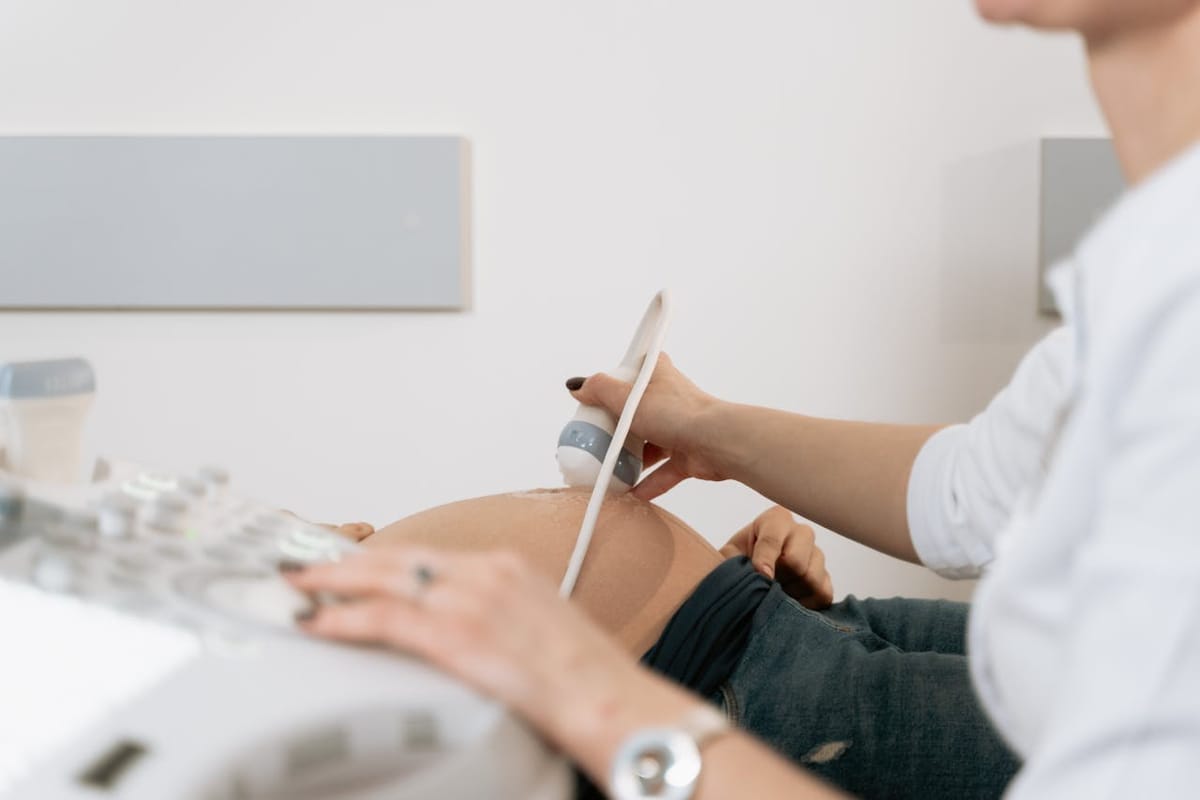
Accurate ultrasound imaging starts with skilled hands. Equipment advances mean little if operators lack the training to capture clear, consistent views.
Each adjustment of the probe, each annotation, and each cine loop affects how diagnostic software interprets anatomy. Even small inconsistencies ripple into AI models and clinical reports.
Stick around to find out more about the advantages of operator training on ultrasound workflow accuracy and how to leverage them.
Understanding How Operator Technique Shapes Image Quality
Ultrasound imaging accuracy depends on how operators manipulate the probe, align anatomy, and manage motion. A skilled hand produces crisp borders and even echo distribution, while an unsteady one introduces noise that software struggles to correct.
It’s like when you take a photograph without steady focus, even the best camera can’t rescue a blurred shot. The same principle applies to ultrasound image capture.
Completing an ultrasound technician program can refine tactile precision and spatial awareness, helping operators translate real-time anatomy into consistent, diagnostic-quality images.
The Role of Metadata and Labeling in Workflow Precision
Metadata in ultrasound imaging functions like the index of a book, guiding how systems interpret each frame. Incorrect timestamps, labels, or body-part tags disrupt the clinical narrative and confuse downstream AI tools.
So, when operators standardize labeling and metadata entry, the workflow gains clarity and speed. Every exam becomes easier to retrieve, review, and analyze.
Training reinforces these habits through repetition and feedback. Over time, accurate labeling turns from a task into muscle memory, ensuring each image remains traceable and clinically reliable. And it’s even more helpful to implement this when using portable machines for scanning purposes.
Why Consistent Cine Loop Capture Strengthens Diagnostic Confidence
Cine loops capture anatomy in motion, revealing patterns that static frames often hide. Smooth, complete loops help clinicians see valve function, vessel flow, or fetal movement with precision.
It’s like recording a short video instead of taking a single photo. The motion tells the full story, allowing for confident interpretation.
Consistent training teaches when to start, pause, and store each loop. Operators learn to anticipate movement and maintain orientation, ensuring every sequence supports both human review and algorithmic analysis with dependable accuracy.
Training Approaches That Elevate Probe Handling and Image Acquisition
Probe handling defines the foundation of image quality. Subtle pressure shifts, angle changes, or rotation errors can distort anatomy or hide pathology. With over 59 million ultrasounds performed annually, it is increasingly necessary to encourage professionals to develop the right techniques.
A skilled operator uses deliberate movements, much like a painter controlling brushstrokes to build depth and detail. Each pass across the patient’s skin becomes a controlled gesture.
Structured training programs emphasize ergonomic grip, transducer orientation, and consistent positioning. Over time, these habits reduce scan variation, improve reproducibility, and shorten exam time without sacrificing diagnostic value.
Building Standardized Education Pathways for Ultrasound Technicians
Standardized education aligns technique, terminology, and expectations across clinical teams. When all operators follow the same framework, workflows become more predictable and images easier to compare.
So, education pathways serve as the bridge between classroom learning and clinical precision. They embed knowledge of anatomy, pattern recognition, and system familiarity into daily practice.
Completing an accredited ultrasound technician program reinforces this foundation. It prepares operators to meet credentialing standards and integrate seamlessly with diagnostic AI systems, creating a unified approach to accurate, consistent imaging.
The Bottom Line
Accurate ultrasound imaging starts with education, discipline, and hands-on mastery. Equipment performs at its best only when guided by skilled operators.
Continuous training ensures precision, consistency, and trust in every scan, forming the core of a workflow where technology and human expertise advance clinical confidence together.