
Medical Sterilization Risks Healthcare Can No Longer Ignore


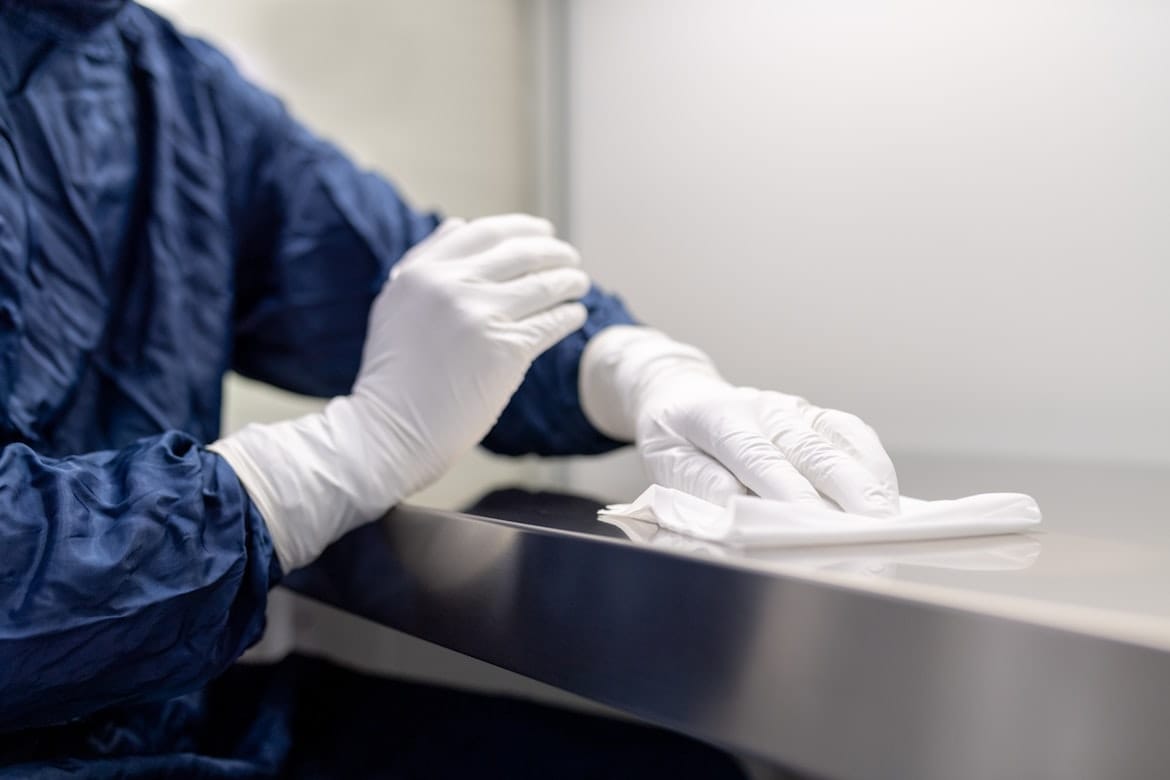
Medical sterilization plays a major role in keeping surgical tools and hospital equipment free from harmful germs. It is seen as a basic requirement in modern healthcare and often goes unquestioned by staff and administrators.
But recent events have shown that some sterilization practices may silently pose risks to workers and nearby communities. Many of these risks remain hidden until people start falling sick or major health problems begin to emerge. The problem isn’t always the process itself, but how it’s managed, regulated, and monitored over long periods.
This article explores why the risks tied to medical sterilization can no longer be ignored by the healthcare industry. Understanding these issues is essential for providers, patients, policymakers, and anyone living near sterilization facilities today.
Overlooked Chemical Exposure
Sterilization often relies on ethylene oxide, or EtO, a gas used to disinfect heat-sensitive medical tools. While it kills germs effectively, it’s also highly toxic. Long-term exposure can lead to cancer and breathing problems.
Healthcare workers face direct exposure during sterilization cycles. But EtO can also escape into nearby neighborhoods through leaks and poor ventilation systems. Families living close to these plants often don’t know they’re breathing dangerous air.
One high-profile case involves Sterigenics, a company accused of polluting surrounding areas with ethylene oxide. The company has been accused of emitting carcinogenic chemicals from its facilities across the US and Canada. Federal researchers detected ethylene oxide plumes from the Sterigenics plant spreading over homes, schools, businesses, etc.
Moreover, a 2023 Oxford study found increased breast cancer rates in women living within six miles of ethylene oxide facilities. The data revealed a clear link between long-term exposure and increased cancer risk in surrounding communities.
The victims affected by toxic emissions are now turning to legal avenues for justice. Many are filing claims in the Sterigenics lawsuit, seeking accountability for years of silent exposure. Their health has suffered, and they want answers. With legal support, they're demanding real consequences and long-overdue transparency.
According to TorHoerman Law, reliable legal help is now guiding victims through the lawsuit process. Affected individuals are working with attorneys to understand their rights and build strong cases. These legal teams aim to secure rightful compensation for the harm caused by toxic exposure. Their support is helping families seek justice and accountability for long-term health impacts.
Why Transparency Is the Missing Link
Many hospitals continue using harmful chemicals without informing the communities that live right outside their walls. This lack of communication creates a dangerous gap between what hospitals know and what residents are allowed to know. While patient safety is prioritized inside the facility, the people breathing in outside emissions are often left in the dark.
When it comes to sterilization, having the right tools and procedures isn’t enough. What matters just as much is whether these procedures are followed consistently and with full transparency. Without clear documentation, real-time monitoring, and open reporting, gaps can go unnoticed until it’s too late. Unfortunately, many facilities operate in silos, with limited visibility into whether implant sterilization meets established safety standards.
The study published in ScienceDirect reviewed sterilization practices and found unsafe handling of surgical implants. About 21% didn’t monitor each implant load with a Process Challenge Device (PCD) containing a Biological Indicator (BI).
Nearly 27% released implants occurred before BI results, raising the risk of healthcare-associated infections in patients. Frequent use of Immediate-Use Steam Sterilization (IUSS), especially for loaner tools, added to the concern. The study calls for regional training and standard protocols to improve implant safety and reduce infection risks.
Why Safe Doesn’t Always Mean Sustainable
Switching to new sterilization methods doesn’t automatically solve the problem. Many hospitals invest in tools labeled as “safer” but continue using outdated infrastructure to support them. Machines may be new, but if they are connected to old vents or lack proper filtration, the risk remains high.
A core issue lies in air management systems. Most facilities lack real-time emission detection. In some hospitals, EtO gases and other toxic residues are vented directly outside without treatment. This practice puts not just workers but entire neighborhoods at risk. Unfortunately, many administrators assume that simply using less of a chemical means safety. That’s not always true.
Hospitals have made notable progress in infection control, and stricter protocols and advanced tools are all part of that. But as systems aim for greater safety, sustainability often takes a back seat. Over-reliance on disposable PPE, energy-intensive sterilization processes, and inconsistent global practices raises important questions.
A study in Cureus highlights the urgent need for stronger hospital infection control to reduce healthcare-acquired infections (HAIs). It emphasizes the World Health Organization’s IPC framework and the vital role of healthcare workers in applying it.
While standard strategies like hand hygiene and PPE help, challenges like resource limits and staff resistance persist. Future efforts may rely on technologies like AI, better monitoring, and patient involvement to improve safety and outcomes.
A Safer Way Forward for Healthcare Sterilization
The path forward involves more than just replacing one chemical with another. The entire sterilization ecosystem must evolve. That means adopting innovative technologies, creating better workplace protocols, and offering public access to air quality data.
Alternatives like vaporized hydrogen peroxide and advanced steam systems already exist. These solutions provide strong sterilization without the harmful side effects of traditional chemicals. However, adoption is still limited. Many hospitals stick with what they know, even if it’s dangerous.
Real-time air quality monitoring should be a baseline requirement, not a luxury. Every healthcare facility should track emissions, notify nearby residents of potential risks, and act immediately if a leak occurs.
Training is another key piece. Staff need to understand not just how to sterilize equipment, but how to do so responsibly. Safety training, scenario planning, and open reporting policies all contribute to a more resilient system. Healthcare’s goal is to save lives, not trade one form of harm for another. With the right tools and mindset, hospitals can sterilize smarter and safer.
Frequently Asked Questions:
Q1: What is ethylene oxide, and why do hospitals use it?
Ethylene oxide is a sterilizing gas used for medical tools that can't handle heat or moisture. It effectively kills bacteria and viruses. However, its use is controversial because it emits toxic gases, especially when sterilization facilities are located near homes or public areas.
Q2: Why are communities concerned about facilities using ethylene oxide for sterilization?
Communities worry because these facilities can release harmful gases into the air, especially if safety systems fail. Long-term exposure to ethylene oxide is linked to cancer and other serious health issues. This, in turn, makes nearby neighborhoods vulnerable to environmental and public health risks.
Q3: Are there safe alternatives to ethylene oxide sterilization?
Yes, safer alternatives like vaporized hydrogen peroxide and low-temperature steam systems are gaining popularity. These methods offer effective sterilization with fewer emissions. They help hospitals protect both patient safety and nearby communities from toxic exposure risks linked to ethylene oxide.
Medical sterilization is essential, but it must evolve. New lawsuits, research, and public pressure show the need for cleaner, safer solutions. The healthcare industry must stop treating emissions as invisible. By embracing innovation, transparency, and responsibility, hospitals can ensure that the process of saving lives doesn’t harm others in the process.