Property Software or Slave to the Open-Source Commercial Marketplace?

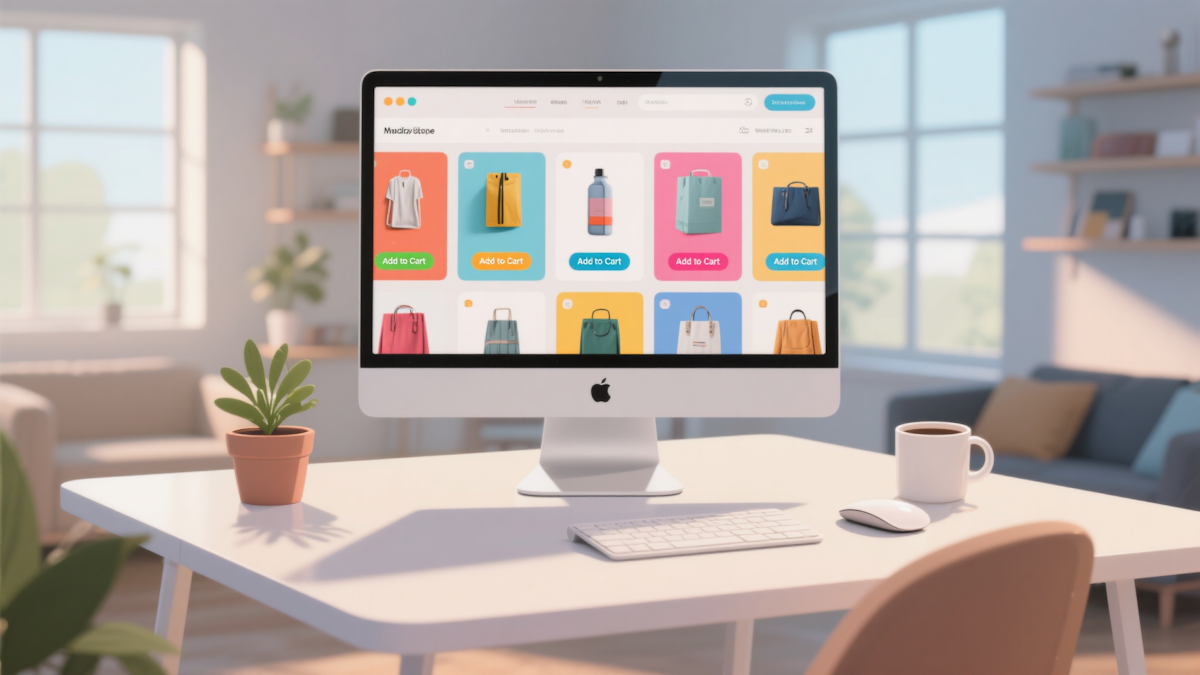
Open-source software has become the backbone of modern digital infrastructure. Platforms like WordPress, Odoo, Magento, OpenCart, and Node.js empower millions of developers, entrepreneurs, and enterprises to build scalable, customizable systems without the burden of licensing fees.
The ecosystem thrives on community collaboration, a vibrant network of plugins, themes, modules, and libraries that extend core functionality. It’s beautiful in its design: the core application acts as a central sun, while countless extensions orbit it like asteroids, each adding value and driving innovation. But this beauty comes with a hidden cost, fragility.
The moment you rely on a third-party plugin or theme, you’re no longer in full control. You're trusting someone else’s time, interest, and commitment. And when that developer moves on, loses motivation, or simply decides to remove their work from public view, your system can be left stranded.
 Hazem Abbas
I’ve seen this happen repeatedly, WooCommerce extensions abandoned after a major update, OpenCart modules broken by version changes, entire ThemeForest themes gone overnight with no archive or download option.
Even NPM packages vanish due to security concerns or personal decisions. This isn’t just inconvenient; it’s a real risk for enterprise systems where outdated or unsupported code can lead to data breaches, compliance failures, and operational downtime.
For many users, especially those in organizations, this raises a hard question: Are we forced to build our own teams to develop every extension, theme, or module? The short answer is: not necessarily, but only if we treat open-source dependencies with the same rigor as commercial software.
 Hazem Abbas
Relying solely on free or low-cost marketplace items creates long-term technical debt and exposes businesses to unpredictable risks. Enterprises cannot afford to have their critical systems held hostage by the whims of individual developers.
So what can users do? Here are practical solutions grounded in real-world experience, written as a developer and open-source advocate who’s lived through these challenges.
Key Risks to Be Aware Of
- Plugin or theme abandonment leading to broken functionality.
- Security vulnerabilities in unmaintained code.
- Incompatibility with newer versions of the core platform.
- Loss of access to purchased assets due to marketplace policies or account deletion.
- Lack of documentation, support, or clear upgrade paths.
These aren’t hypotheticals, they’re daily realities for thousands of users.
 Hazem Abbas
Practical Steps to Regain Control
- Audit your dependencies regularly, maintain a list of every plugin, library, theme, and module used in your project. Track when they were last updated, who maintains them, and whether they’re still supported. Use tools like
npm audit,Composer validate, or WPScan to identify vulnerable or inactive components. - Back up everything immediately, when you purchase a theme, plugin, or asset, download it right away and store it in a secure, version-controlled location. Never assume it will remain available. Keep local archives, preferably encrypted and backed up across multiple devices or cloud services.
- Prioritize vendors with proven track records, when buying from marketplaces like ThemeForest, CodeCanyon, or GitHub Marketplace, choose sellers with active repositories, regular updates, detailed changelogs, and responsive support. Avoid one-off creators with no public history or inconsistent release patterns.
- Support and contribute to projects you depend on: if you use a popular open-source tool, consider sponsoring the maintainer via GitHub Sponsors, Open Collective, or direct donations. Even small contributions help ensure sustainability. If you have development skills, submit bug fixes, write documentation, or improve test coverage. Your involvement strengthens the ecosystem.
- Build internal capability over time: you don’t need a large team to start. Identify one developer on your team who can learn the framework deeply. Train them to extend the platform safely, write modular code, and create reusable components. Over time, this builds institutional knowledge and reduces dependency on external providers.
- Choose platforms with strong governance and long-term vision: some open-source projects are backed by companies or foundations committed to sustainability. Odoo, for example, is developed and maintained by Odoo SA with a clear roadmap. Adobe Commerce (formerly Magento) offers enterprise support and SLAs. These options provide more stability than purely community-driven ones.
- Use private package registries and local mirrors: for critical dependencies, especially in production environments, host your own copy of trusted packages. Tools like Verdaccio (for npm), Nexus Repository Manager, or Artifactory allow you to cache and manage dependencies internally, reducing reliance on external sources.
- Avoid "one-off" or unversioned code: never install a plugin or theme without a clear versioning strategy. Prefer packages with semantic versioning (e.g., v2.3.1), Git tags, and release notes. This makes rollbacks easier and ensures reproducibility.
- Document your architecture and customizations: keep detailed records of how your system works, which extensions you use, why you chose them, and how they integrate. This helps future developers understand the system and plan migrations if something fails.
 Hazem Abbas
Build Internal Expertise: Even If You Don’t Have a Team
You don’t need a full development team to start building resilience. What you do need is one person who’s willing to learn, take ownership, and grow with your system. That could be you, or someone on your team who’s already familiar with the platform.
Start by identifying someone, even if they’re not a senior developer, who’s curious and ready to dig into how the software works under the hood. Give them time to study the framework: understand its architecture, how plugins are structured, what hooks and APIs are available, and how updates are handled. This isn’t about becoming an expert overnight, it’s about creating a single point of knowledge that can guide decisions and prevent blind reliance on external code.
Once they’ve got a solid foundation, focus on teaching them three core skills:
- How to extend the platform safely without breaking core functionality.
- How to write clean, modular code that’s easy to maintain and update.
- How to test changes locally, deploy them in stages, and roll back quickly if something goes wrong.
Encourage documentation from day one. Every new plugin, theme, or custom module should come with basic notes: what it does, why it was built, how it integrates, and what dependencies it has. Even simple READMEs go a long way when you’re scaling or handing off work.
Use open-source templates and starter kits as a foundation. There’s no need to reinvent the wheel every time. Pick well-maintained examples from official repos or trusted contributors, adapt them to your needs, and treat them as learning tools, not final products.
Over time, this one person becomes more than just a developer. They become a keeper of your system’s stability. When a plugin fails, they know how to fix it or replace it. When a security issue arises, they can assess risk and act fast. And when the marketplace collapses, they’re not left scrambling, they’re already equipped to move forward.
And believe it, you are saving hell of money.
 Hazem Abbas
Final Thoughts
Open-source is not a free pass to avoid responsibility. It’s a powerful tool, but only when used wisely. You don’t have to build everything from scratch, but you do need to take ownership of your stack. The illusion of permanence in the open-source marketplace is dangerous. Every extension you install is a contract with an unknown party.
Treat it like a vendor agreement: evaluate, monitor, and protect against failure.
The goal isn’t to reject the open-source community, it’s to engage with it responsibly. Support the builders, safeguard your assets, and invest in long-term resilience.
Because in the end, true freedom isn’t about using free software. It’s about being able to keep your business running, no matter what happens to someone else’s code.
Stay vigilant. Stay prepared. And above all, stay in control.
 Hazem Abbas
 Hazem Abbas
 Hazem Abbas
 Hazem Abbas