Best 7 Open-Source Tools for Rapid Prototyping: Meteor, Directus & More That Save 10+ Hours Per Project (Tested Over than 10 Years)

Sometimes a customer asks me to create a prototype, and most of the time they’re impressed by how quickly I can build apps, whether it’s an MVP, a prototype, or even a proof of concept (PoC).
While my go-to tool for this is Meteor, which gives me full freedom to shape my workflow and implement custom business logic (especially with the tools I’ve built over the years), it’s important to note that there are several other open-source, free tools that are easy to set up, deploy, and use to rapidly build data structures and applications on top of them.
I’ve built dozens of prototypes over the years, for clients, for myself, and for friends, so this isn’t just a list. It’s a reflection of real-world experience, the tools I’ve used to accelerate prototyping, and what works best in different scenarios.
1- Meteor (First Choice)
Meteor remains my first choice for prototyping, especially when deployment isn’t required. That said, deploying Meteor (even with MUP) feels like playing hide-and-seek: you never know where the error is hiding.
Meteor is easy to use, yet hard to maintain, which is why I no longer use it for production. But when it comes to building something fast and proving a concept, whether it’s a workflow, business logic, or user interaction, Meteor excels.
It comes with built-in MongoDB support (NoSQL), which integrates seamlessly and requires zero configuration, especially on my local machine.
The core concept is simple: server and client. In fact, most of my prototypes are built primarily on the client side, using collections with minimal schema that evolves over time, perfect for rapid iteration.
From Idea to Working Prototype in 1 Day
The real killer feature for me? DDP (Distributed Data Protocol). It enables real-time sync out of the box, no extra setup, no complex WebSocket configuration. Just instant updates across devices.
And because Meteor supports any frontend framework, Blaze (my favorite, even thu it is OLD), Vue, Svelte, React, Angular, I can pick whatever fits the project. On top of that, it has access to the entire NPM ecosystem, so I don’t need extra packages for common functionality.
Beyond web apps, I’ve used Meteor to:
- Build workflow simulations
- Prototype business logic
- Create mobile apps (via Cordova and Capacitor)
- Mock backends for Flutter apps
So yes, after nearly 14 years, I still reach for Meteor when speed and flexibility matter most.
Here is what I have created with Meteor:
- TelegramCRM (Bot to CRM): using Telegram Bot as one channel to manage customers
- A Sentiment Analysis Backend for Twitter and Instagram
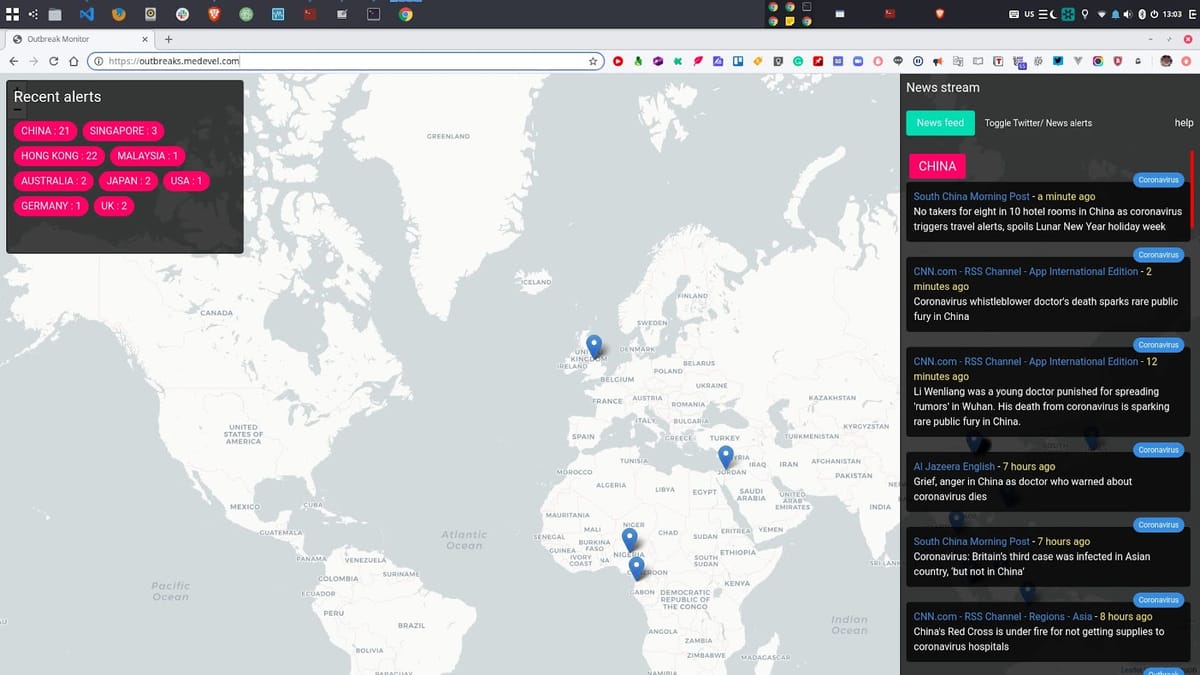
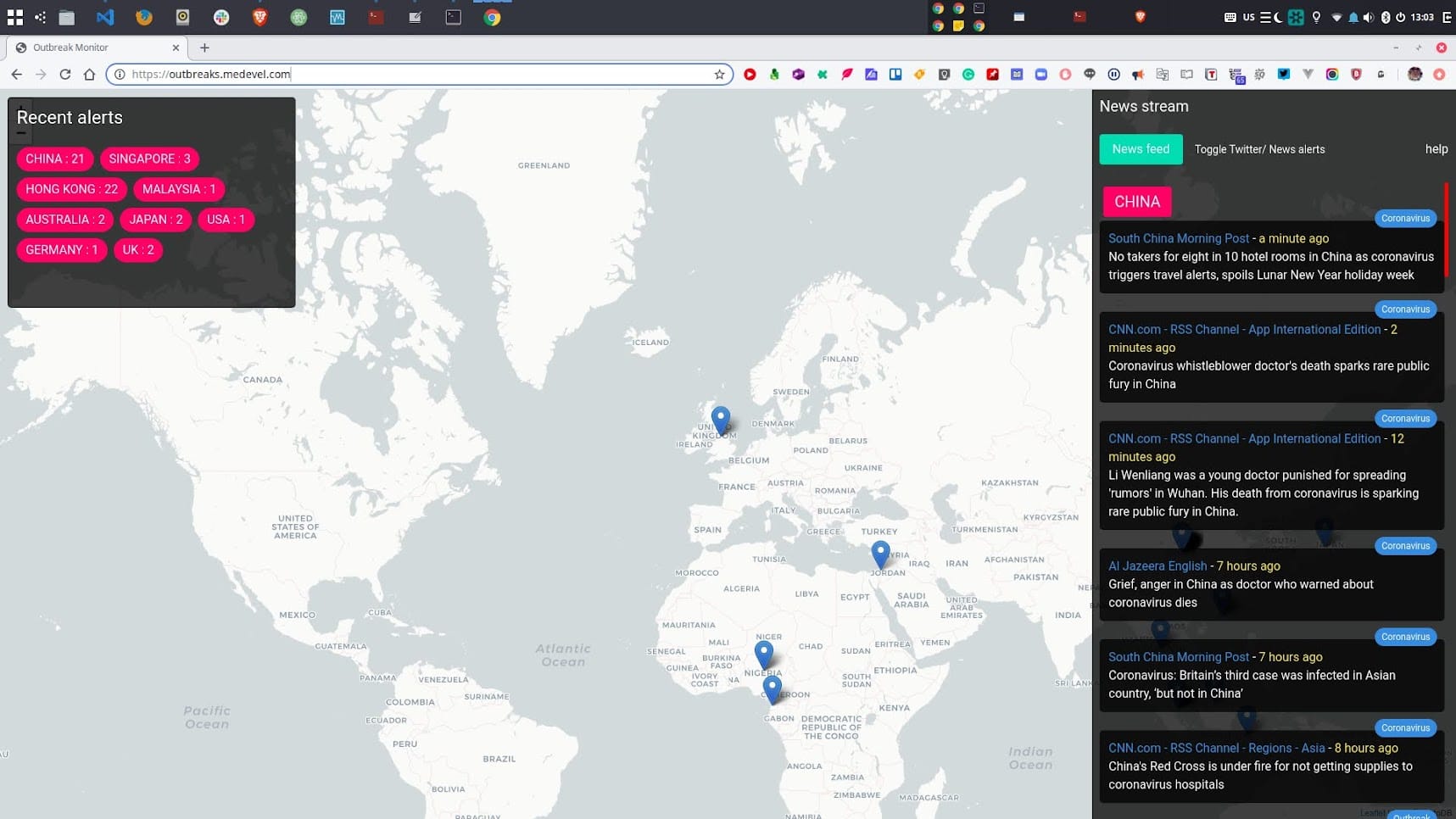
- Covid Monitor 2020 (See Screenshot)
- Disease Monitor
- Incident Monitor (Feeds from ~3000 sources) and instant monitoring
- Recreated DrugsFiles.com (First version was early 2000s in PHP), focused on drug interactions.
- A highly customizable version of my VR ADHD Game, originally built it for Teknofest.
- An Uptime monitor that monitors Webhooks, API endpoints, Web pages (for changes)
- A quick scrapping engine.
- Indoor Tracking Simulation using Meteor, D3 library, which impressed several customers.
I worked Zeno D. for some prototyping and data engineering projects, I have used Meteor in most of them which proven to be fast, reliable and productive that saves us dozens of hours if we use other frameworks or setup.
 Hazem Abbas
 Hazem Abbas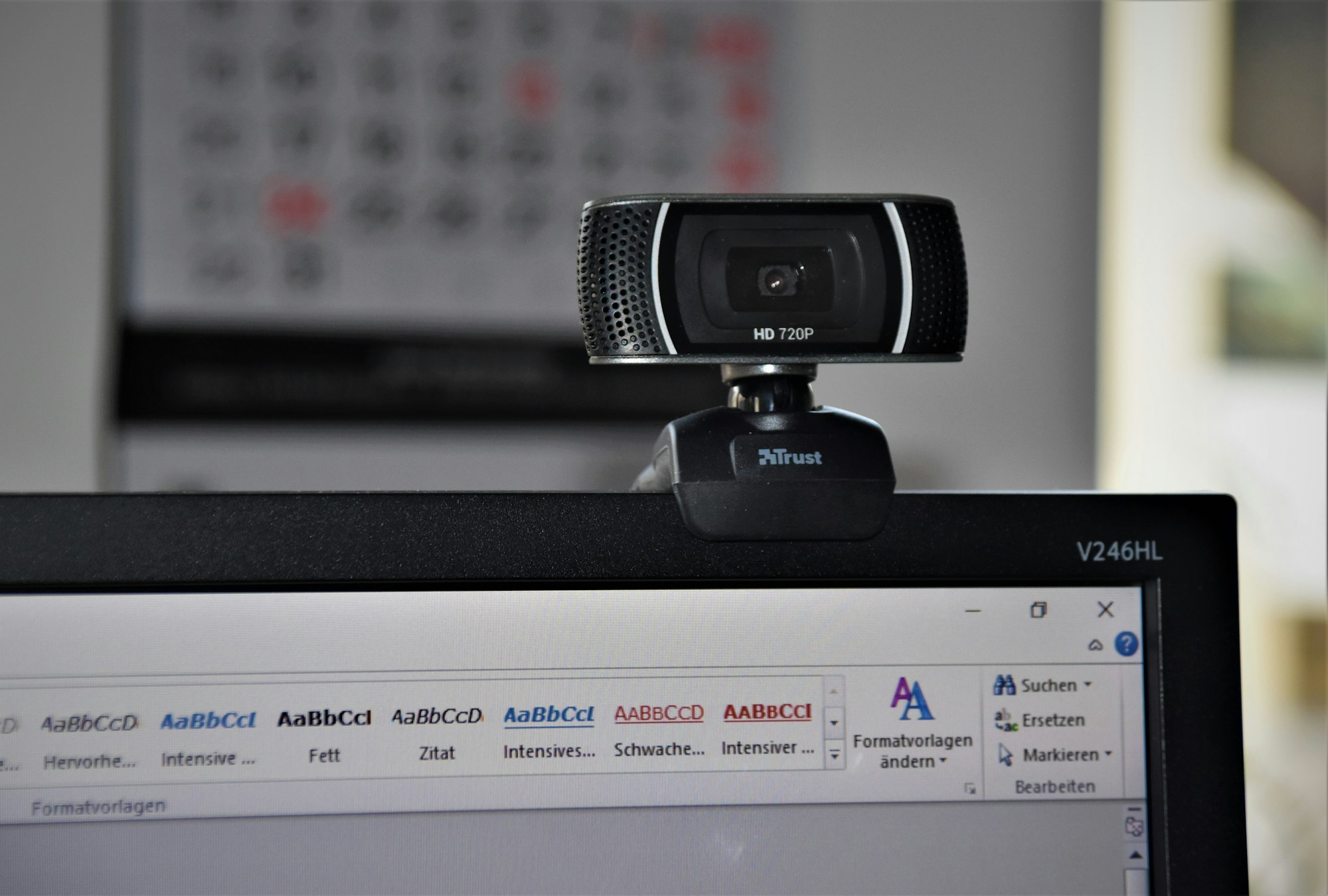
I built a quick game for my son using Meteor and WebCam that enables him to play with his colored toys 2019
2- PocketBase
PocketBase is another standout. It’s a minimal, open-source headless CMS and backend system that uses SQLite as its storage engine. It’s quick, lightweight, and ideal for small to medium-sized projects.
I used it as the backend for Equineist.com, a news aggregation site for equestrian content. It was a smooth experience, I kept all my data in one place while switching frontends multiple times: Next.js, React, SvelteKit, and Nuxt.
Its developer-friendly SDK and intuitive admin interface make it great for rapid development. It supports multiple users and admins, and scales well for early-stage projects.
I recommend PocketBase for quick, lightweight prototypes, especially when you want to experiment with different frontends without rebuilding the backend each time.
 Hazem Abbas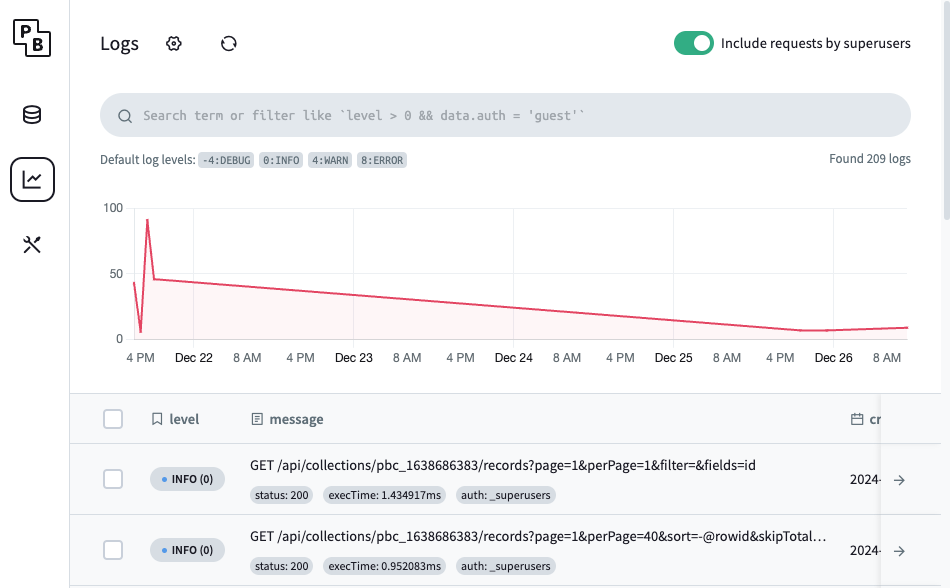
 Hazem Abbas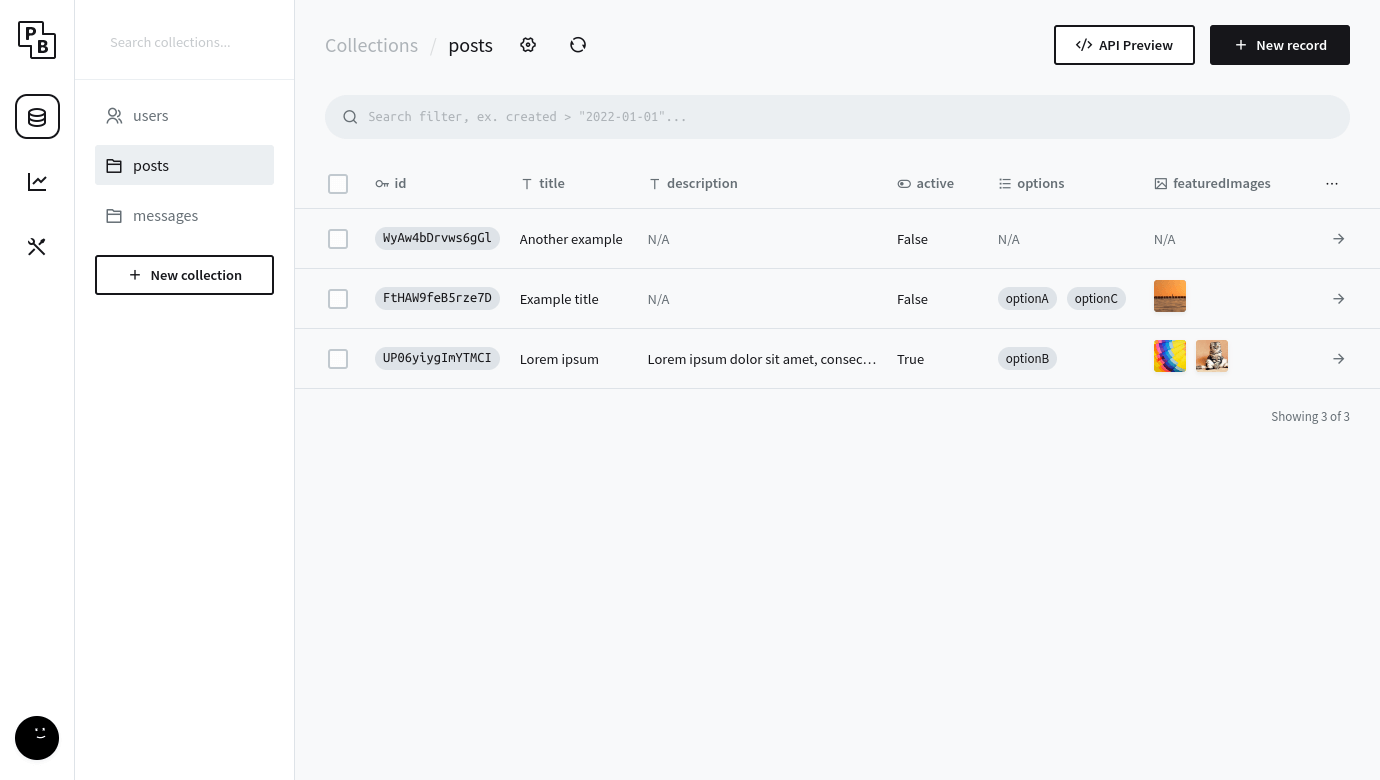
3- Directus (with PostgreSQL)
Currently, my team and I are using Directus for building compliance engines and MCP servers for research and business projects, and it’s proven to be fast, stable, and highly collaborative.
I personally used Directus to rebuild my old TelegramCRM (which was originally built with Meteor over a decade ago), and I completed the entire migration in just one day, thanks to its clean structure, clear API, and familiar workflow.
However, a word of caution: if you run Directus on SQLite and plan to migrate your collection schemas, user roles, and policies to another Directus instance using a different database (e.g., PostgreSQL), you may run into issues. So while SQLite is great for prototyping, I strongly recommend switching to PostgreSQL for production-ready systems.
That said, I love Directus for its ability to export configurations, including flows, schemas, and role/policy setups, and import them into other Directus instances. This makes team collaboration and scaling effortless.
In one case, I replaced a 13-year-old TelegramCRM that I built with Meteor, with Directus using the same backend methods, users, WebSockets, and message handling, and rebuilt the entire system in just one day.
 Hazem Abbas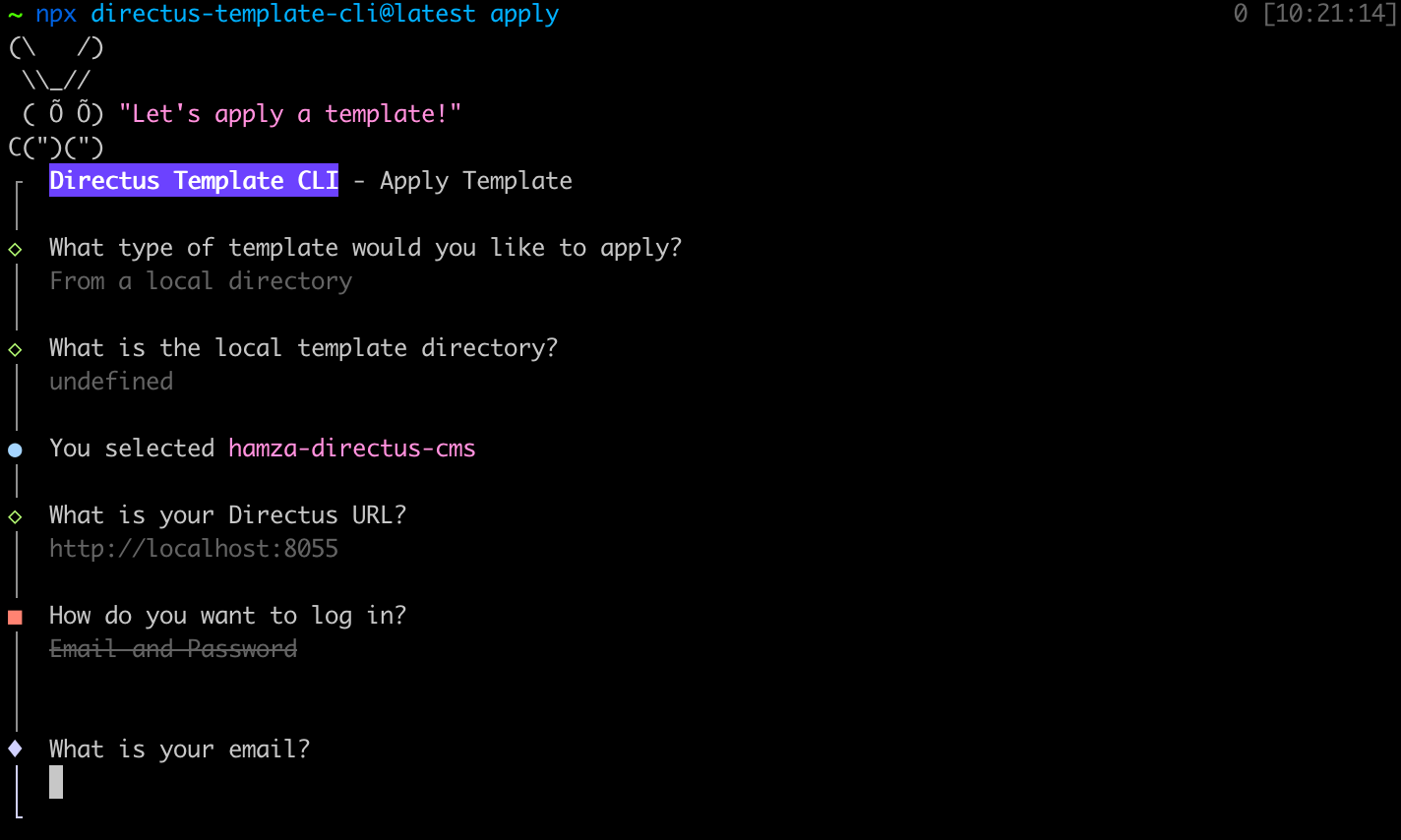
 Hazem Abbas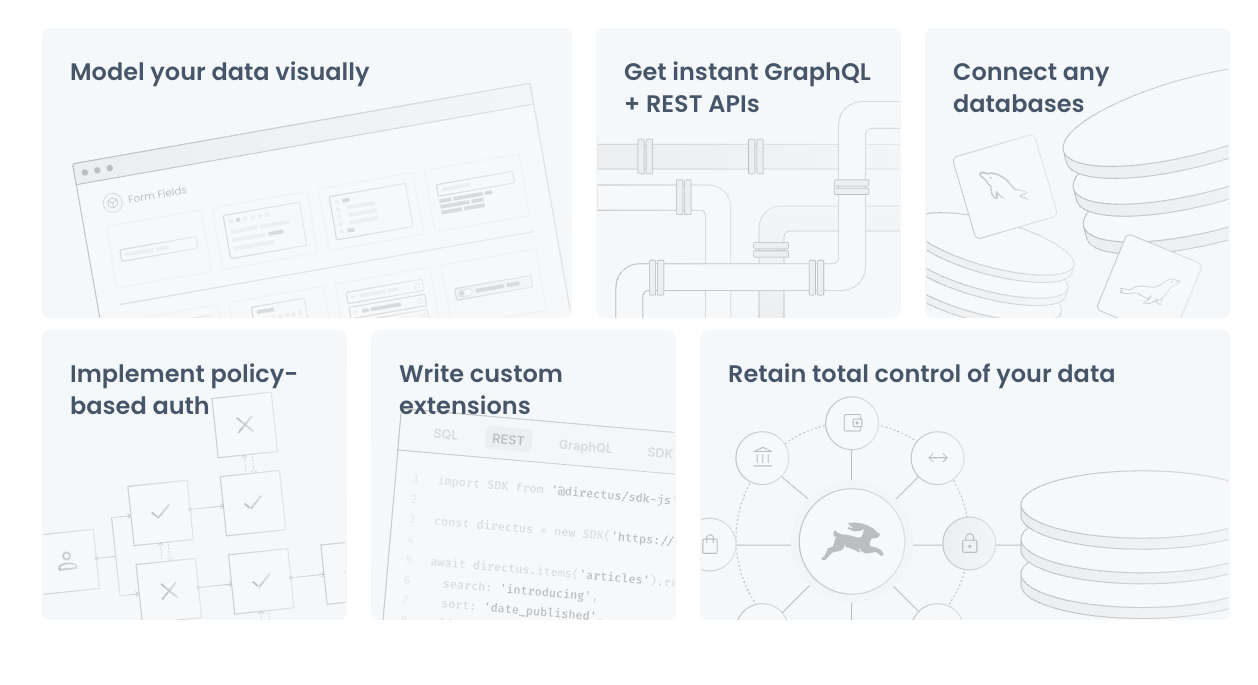
 Hazem Abbas
4- Manifest
I’m a big fan of Manifest. It offers a complete functional backend with a single YAML file where you define everything, from data models to authentication, workflows, and APIs.
It comes with a web admin interface that mirrors your YAML configuration in real time. It’s not just a headless CMS, it’s a full-stack solution with built-in MCP (Model Context Protocol) support, allowing teams to prototype AI-powered applications quickly and easily.
While I’ve only used it in one project so far, I believe it has huge potential, not just as a CMS, but as a true AI-driven MCP engine for rapid prototyping of intelligent, context-aware apps.
 Hazem Abbas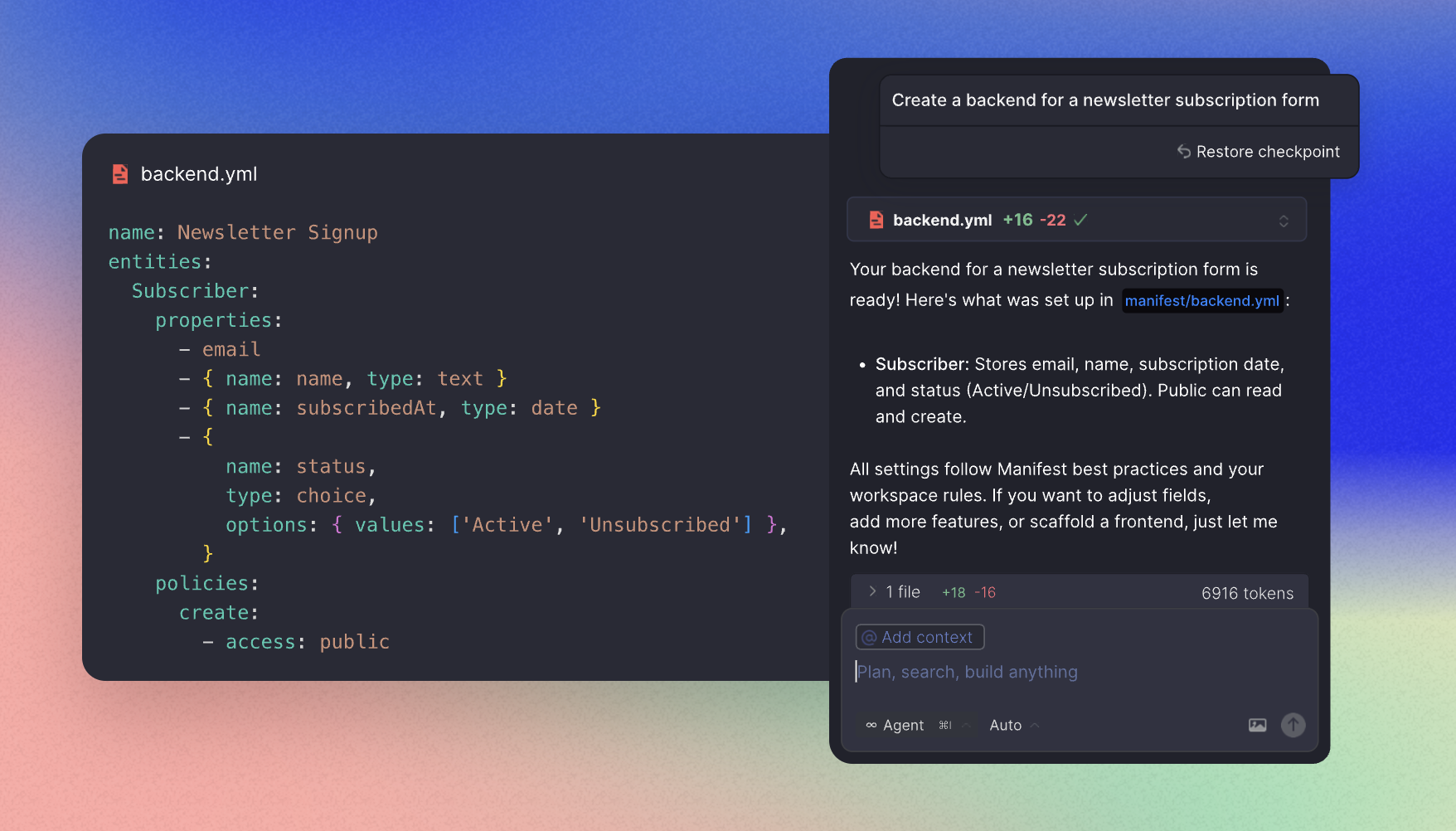
5- CouchDB
For me, CouchDB is more than a database engine, it’s a full backend system. Unlike traditional databases, it comes with a built-in REST API, eliminating the need to write your own endpoints.
When paired with PouchDB, it becomes a powerful tool for building offline-first applications, perfect for demonstrating how syncing works across devices.
I’ve used it in several projects over the years, and I often recommend it to students and friends, especially when they want to build schema-free systems that leverage revision history and conflict resolution.
It’s reliable, scalable, and designed for distributed environments, making it ideal for decentralized or edge-based apps.
 Hazem Abbas
6- Cockpit
I’ve used Cockpit as a backend for several content-heavy websites, and both I and my customers were impressed. It’s stable, fast, and incredibly user-friendly, with full multi-language support and revision control.
What makes it perfect for prototyping? A quick setup and dozens of built-in tools that let developers turn ideas into working prototypes in minutes.
Like Directus, Cockpit allows you to easily migrate and scale your prototype into a production-ready application with a clean workflow.
It also includes:
- A built-in inbox and messaging system
- Webhook support for custom actions and automations
- A strong asset management system
If you’re looking for a fast, stable, and production-ready platform, or a prototype that can grow into a real product, I highly recommend Cockpit.
 Hazem Abbas
7- NocoDB
While NocoDB markets itself as an open-source alternative to Airtable, many developers see it as much more. It offers a developer-friendly SDK, REST API, code snippets, and powerful data manipulation tools.
I’ve used it extensively for data engineering tasks, editing, transforming, and cleaning datasets. Its import/export capabilities are excellent, making it a dream for adding mock data during prototyping.
NocoDB supports multiple databases and external data sources, and it shines in:
- Data layout customization
- File uploads and asset management
- Creating custom user collections tailored to specific apps
It’s a rare tool that feels both low-code and developer-friendly, perfect for building data-driven prototypes quickly.
 Hazem Abbas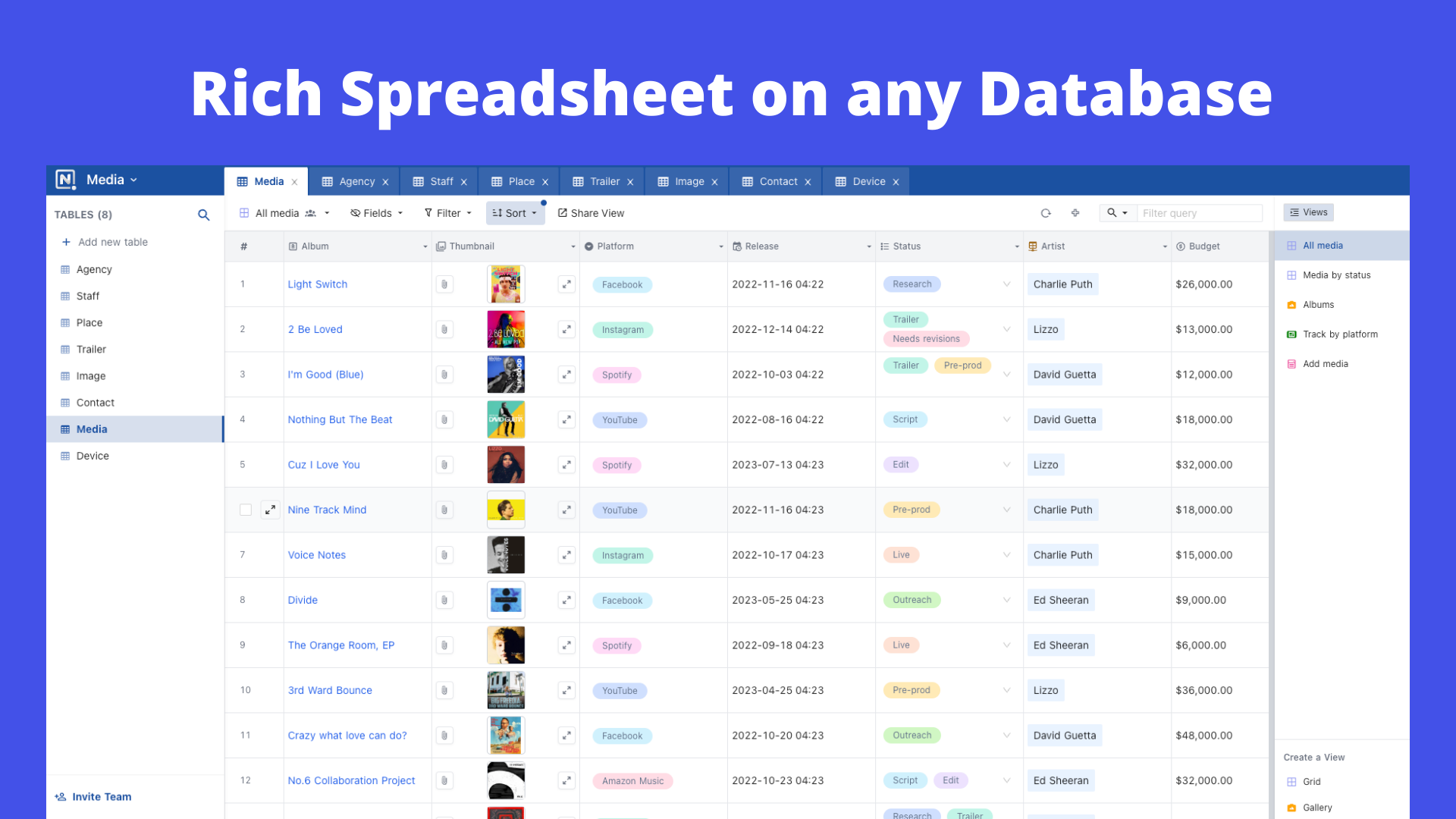
Best Tools for Rapid Prototyping & Why!
| Tool | Best For | Why |
|---|---|---|
| Meteor | Fast MVPs, real-time apps, full-stack prototyping | Instant DDP sync, seamless NoSQL integration, frontend flexibility |
| PocketBase | Lightweight, SQLite-backed prototypes, frontend agility | Simple setup, great for static sites, easy frontend swaps |
| Directus (PostgreSQL) | Team-based, secure, scalable prototypes | Full schema control, migration-ready, MCP & Flow support |
| Manifest | AI/MCP-powered app prototyping | YAML-driven, built-in Model Context Protocol, future-proof |
| CouchDB + PouchDB | Offline-first, decentralized, revision-aware apps | Built-in REST API, conflict resolution, ideal for educational demos |
| Cockpit | Content-heavy sites, production-ready prototypes | Multi-language, revision control, strong asset management |
| NocoDB | Data engineering, mock data, Airtable-like workflows | Powerful data manipulation, easy imports/exports, flexible layouts |
More Readings
 Hazem Abbas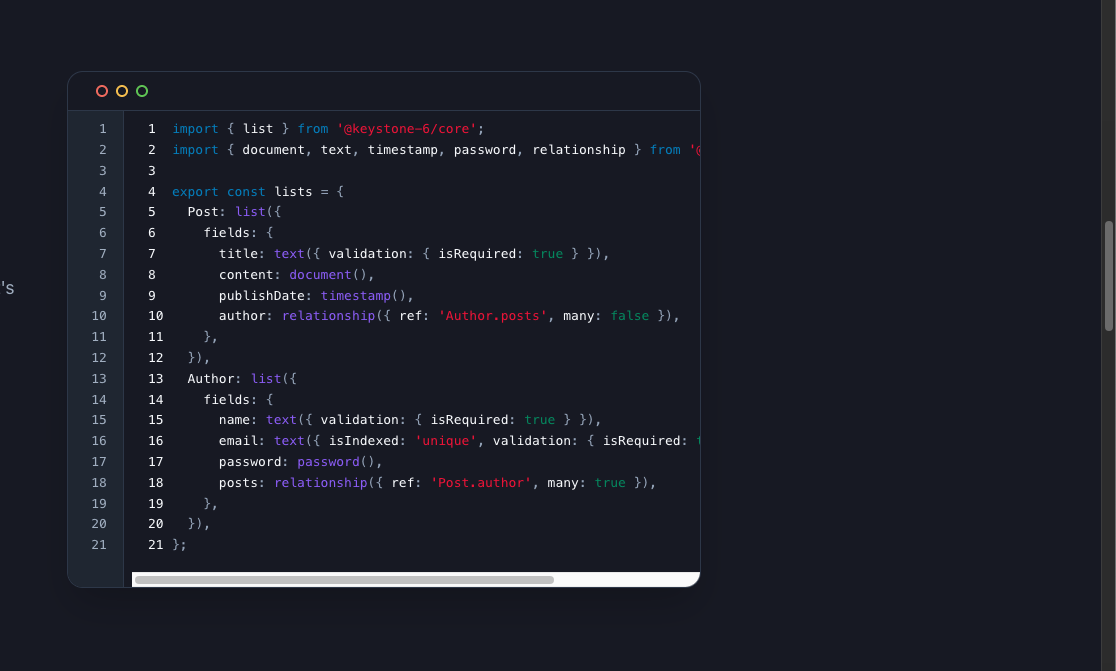
 Hazem Abbas
 Hazem Abbas
Final Thought
Speed matters, but so does sustainability.
- Use Meteor for lightning-fast concept validation.
- Switch to Directus (PostgreSQL) or Cockpit when you’re ready to scale.
- Leverage Manifest and CouchDB for next-gen AI and offline-first experiments.
- And keep NocoDB handy for data-heavy, iterative workflows.
You don’t need the perfect tool for every phase, just the right one at the right time.
Keep building. Keep prototyping. And keep pushing boundaries.
— Hamza Musa
(Developer, Doctor, Horseman, Open-Source Advocate)
medevel.com